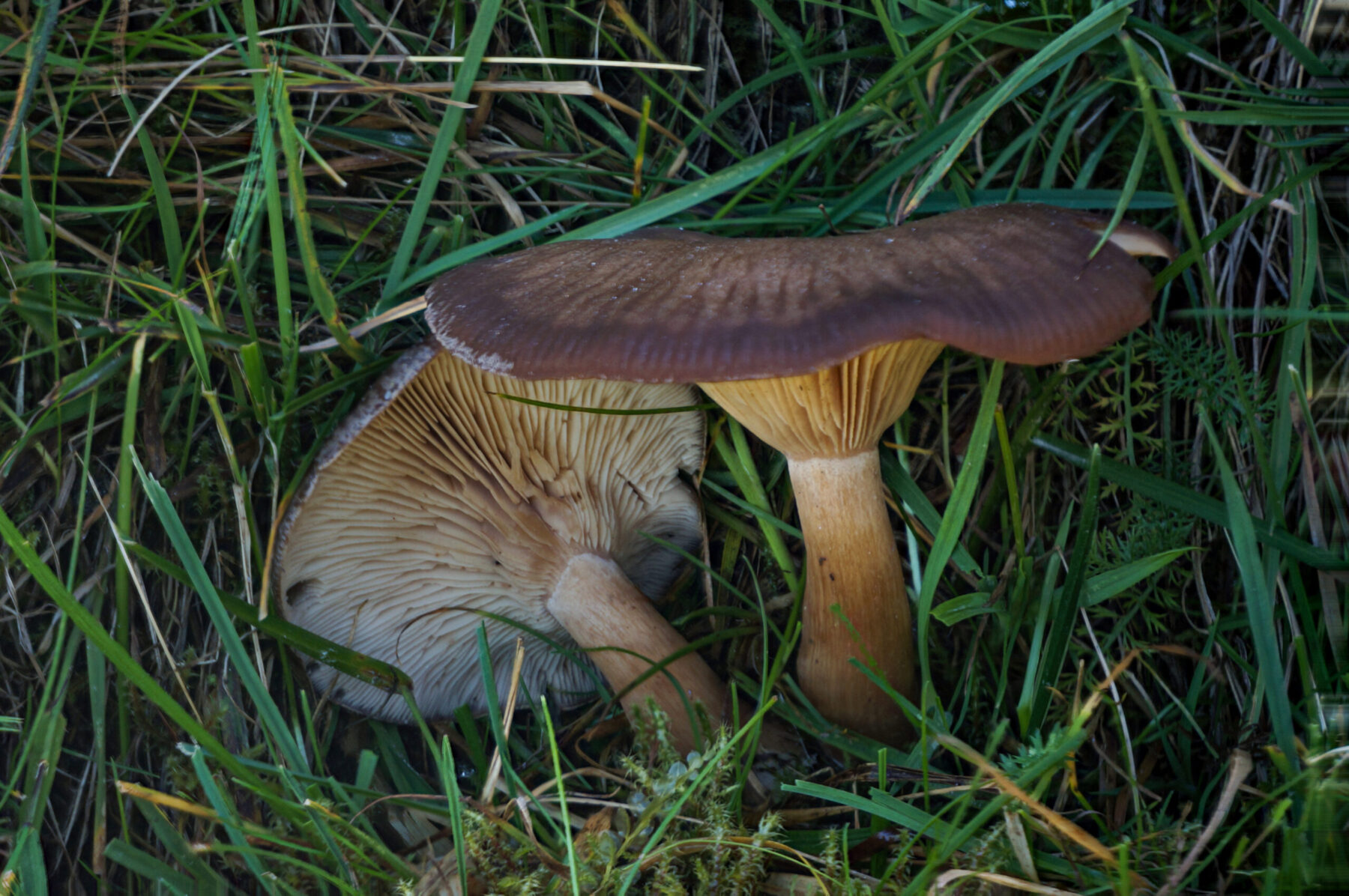
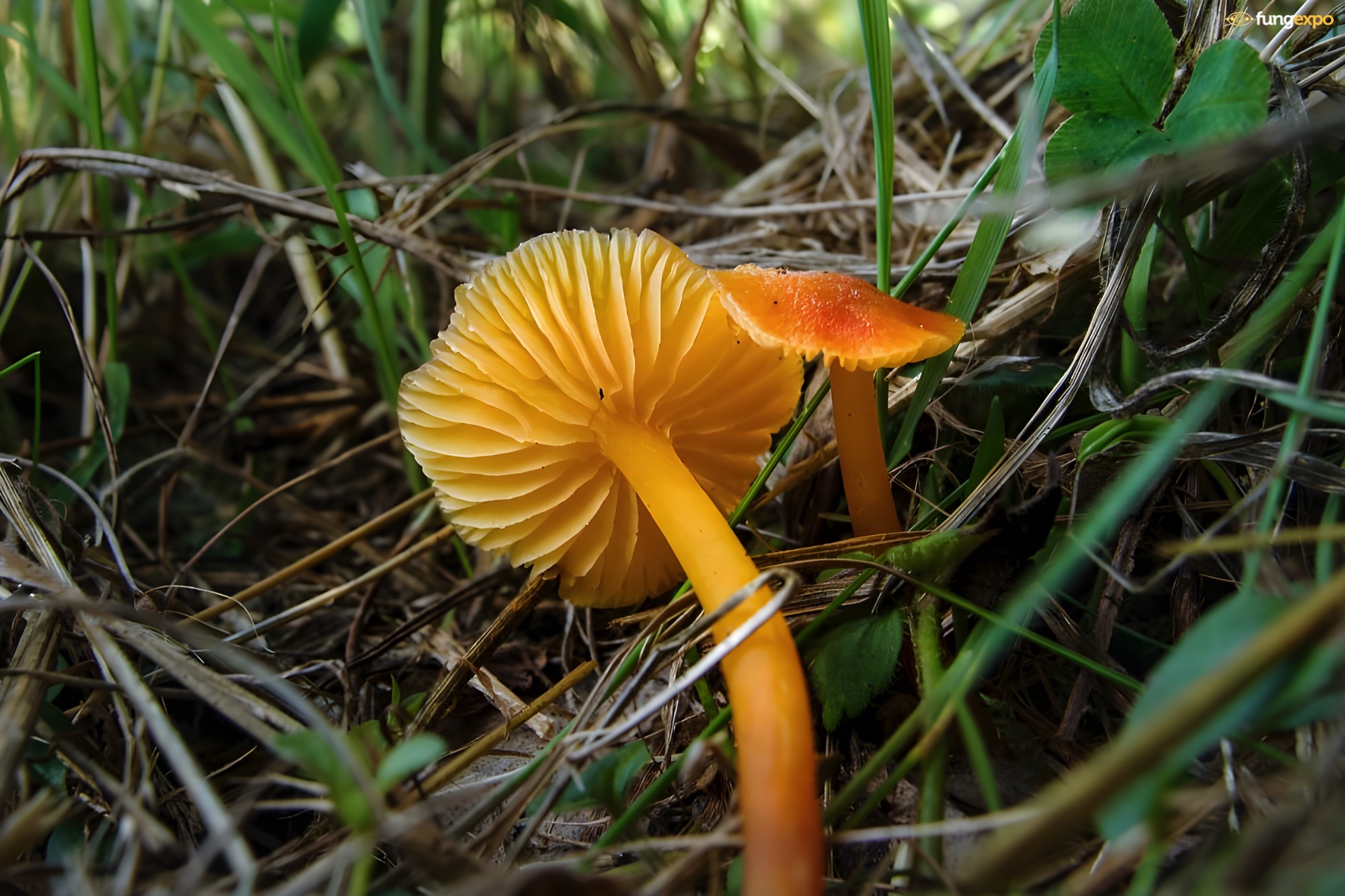
The story begins in July 2023, when we came across a waxcap with striking, small hump-like protrusions on its cap in the Őrség region, near the Himfa Park Forest—one of our regularly visited and monitored sites. The thought that it might be Hygrocybe subpapillata flashed through my mind at the time, but it felt more like wishful thinking than a serious suspicion. As a result, only these two photos were taken of the fungus. (To make matters worse, we found it at the very end of our trip, with our collection boxes already filled with other exciting specimens…)
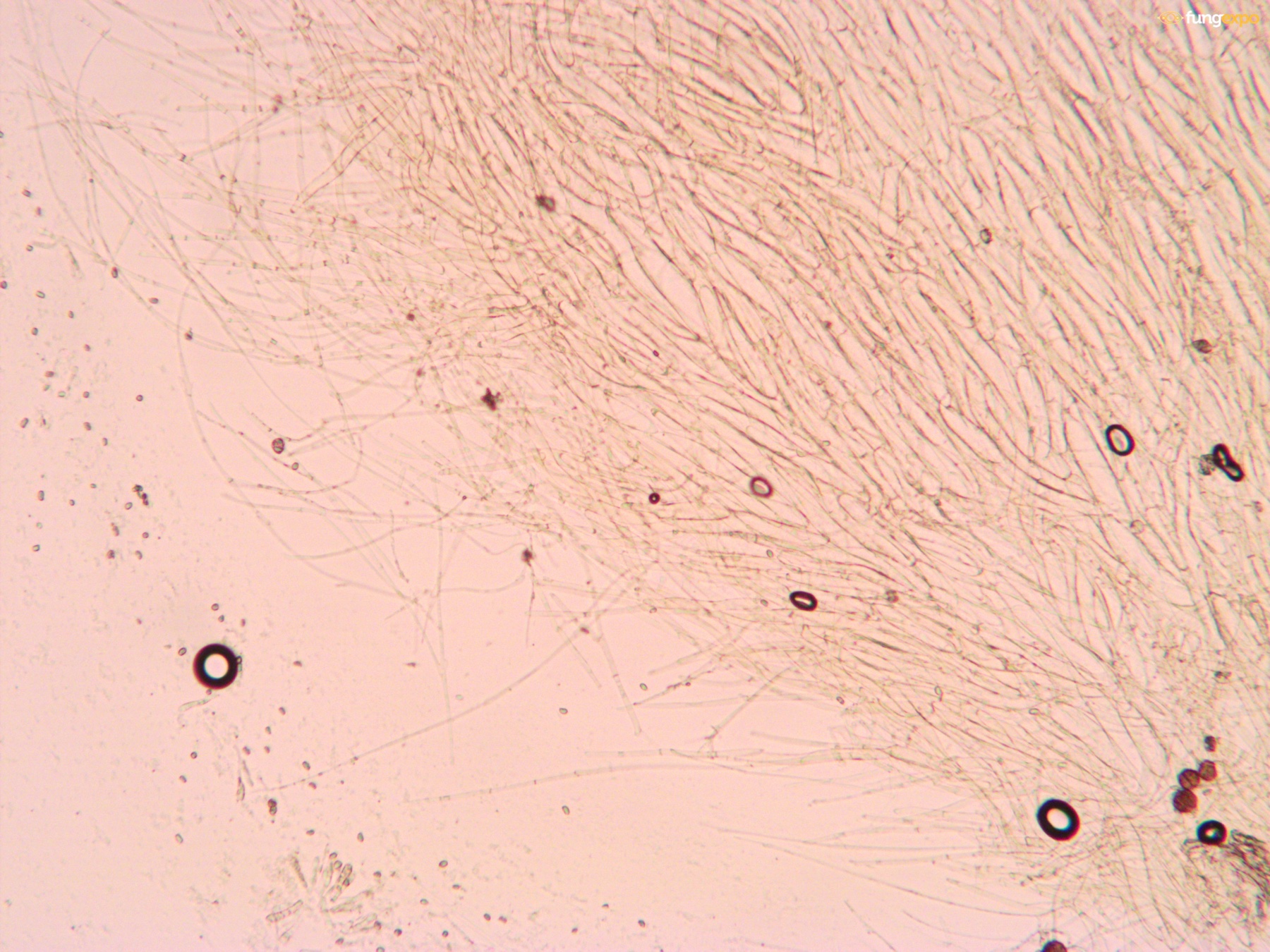
But when I examined it under the microscope at home, my eyes widened in surprise. I went through every available identification key again and again, yet each time, Hygrocybe subpapillata was the result. The defining features were primarily the ixocutis-type cap structure (with hyphae full of clamp connections) and, of course, the spores—enough to finally convince me that this couldn’t be a mistake. Unless a similar species has been discovered since the monograph was published, this is indeed Hygrocybe subpapillata.
I shared the good news in the Gombahatározó group on Facebook, hoping for a second opinion and confirmation—and I didn’t have to wait long. Within minutes, Hygrocybe expert Tibor Zagyva (Martin Wolf Keller) backed up my identification and confirmed it without hesitation. A few weeks later, more great news arrived: word of the find had made its way—through indirect channels—to the staff of the Őrség National Park Directorate, who reached out to request the exact coordinates of the habitat for their database and for „initiating conservation measures if necessary.” Needless to say, this was an incredible feeling! Usually, it’s the other way around—I send in reports of our significant finds to the ŐNPI on my own initiative. This was the first time they got ahead of me and made the request first.
At fungexpo, I always emphasize that only data confirmed by genetic analysis can be considered 100% certain. Given the national park’s interest and the significance of the find, I asked our friend, Dr. Bálint Dima, if he could confirm the identification with molecular methods as a priority. He delivered incredibly fast results—within just one to two weeks. Once the confirmation was in, I handed over a full info package to the national park staff, including precise habitat details and a summary of the discovery. With all this in place, I uploaded Hygrocybe subpapillata to fungexpo, feeling hopeful that, with a bit of luck, we might capture even better photos of it next year—thanks to the national park’s responsible approach.
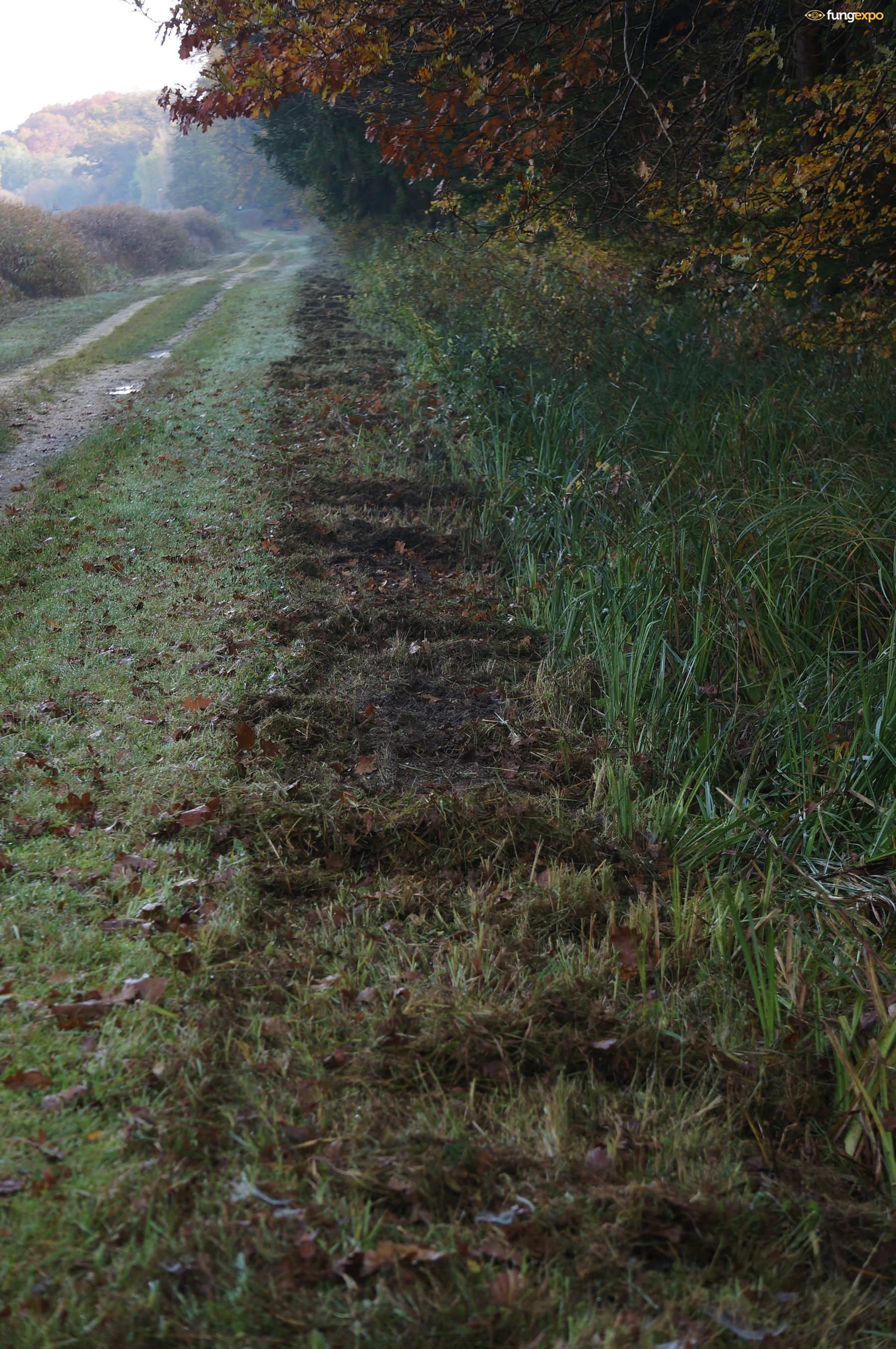
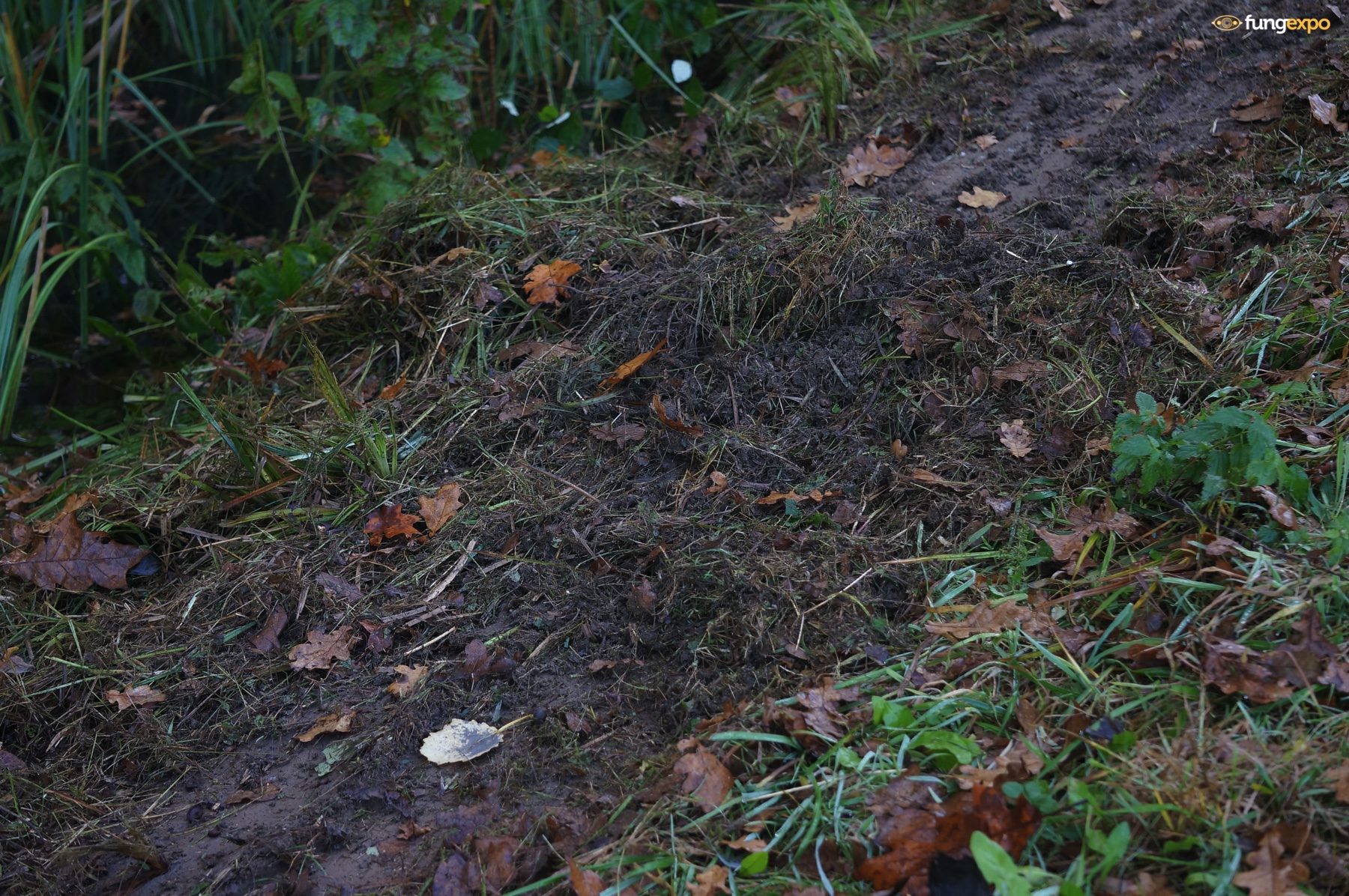
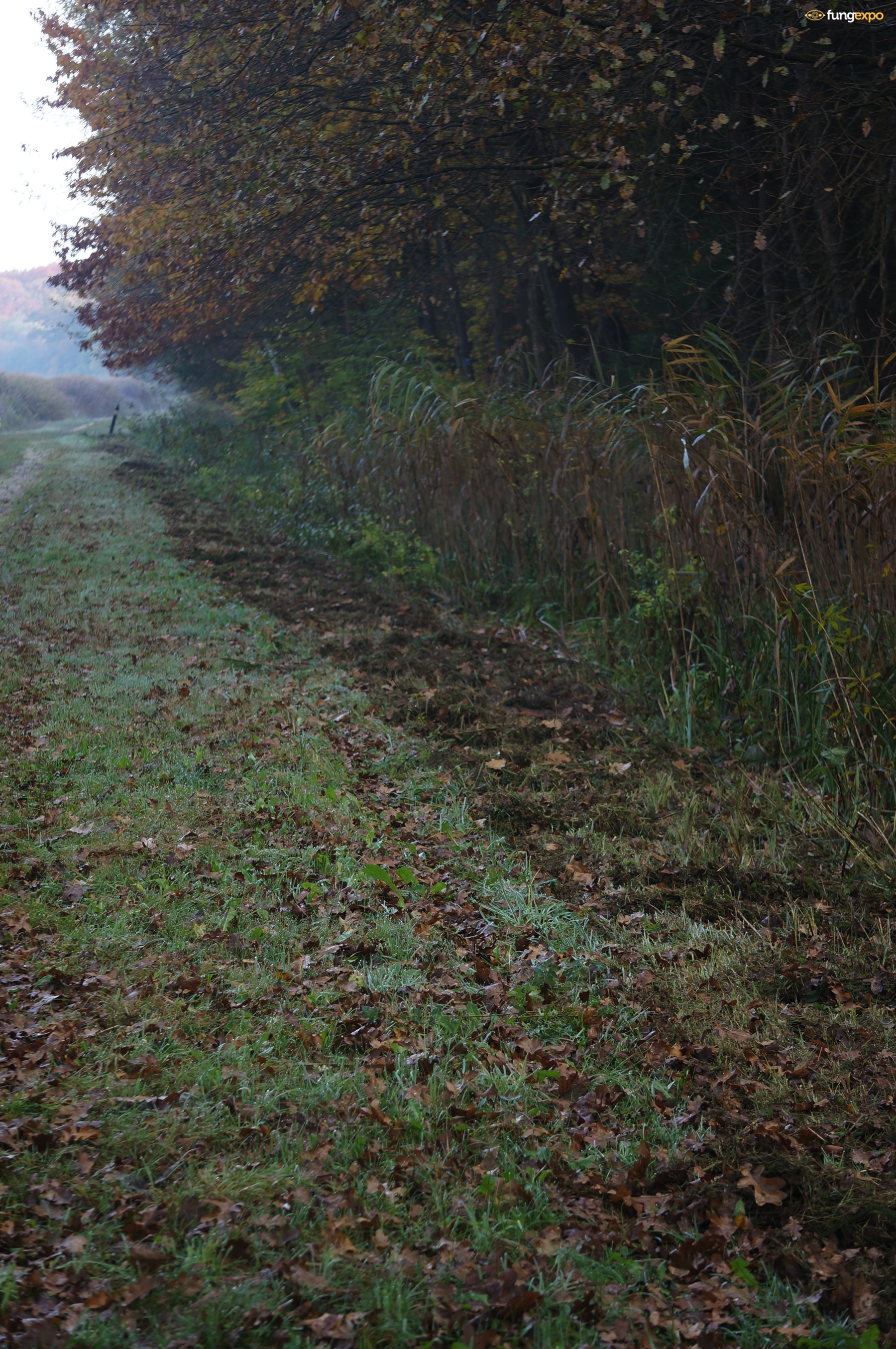
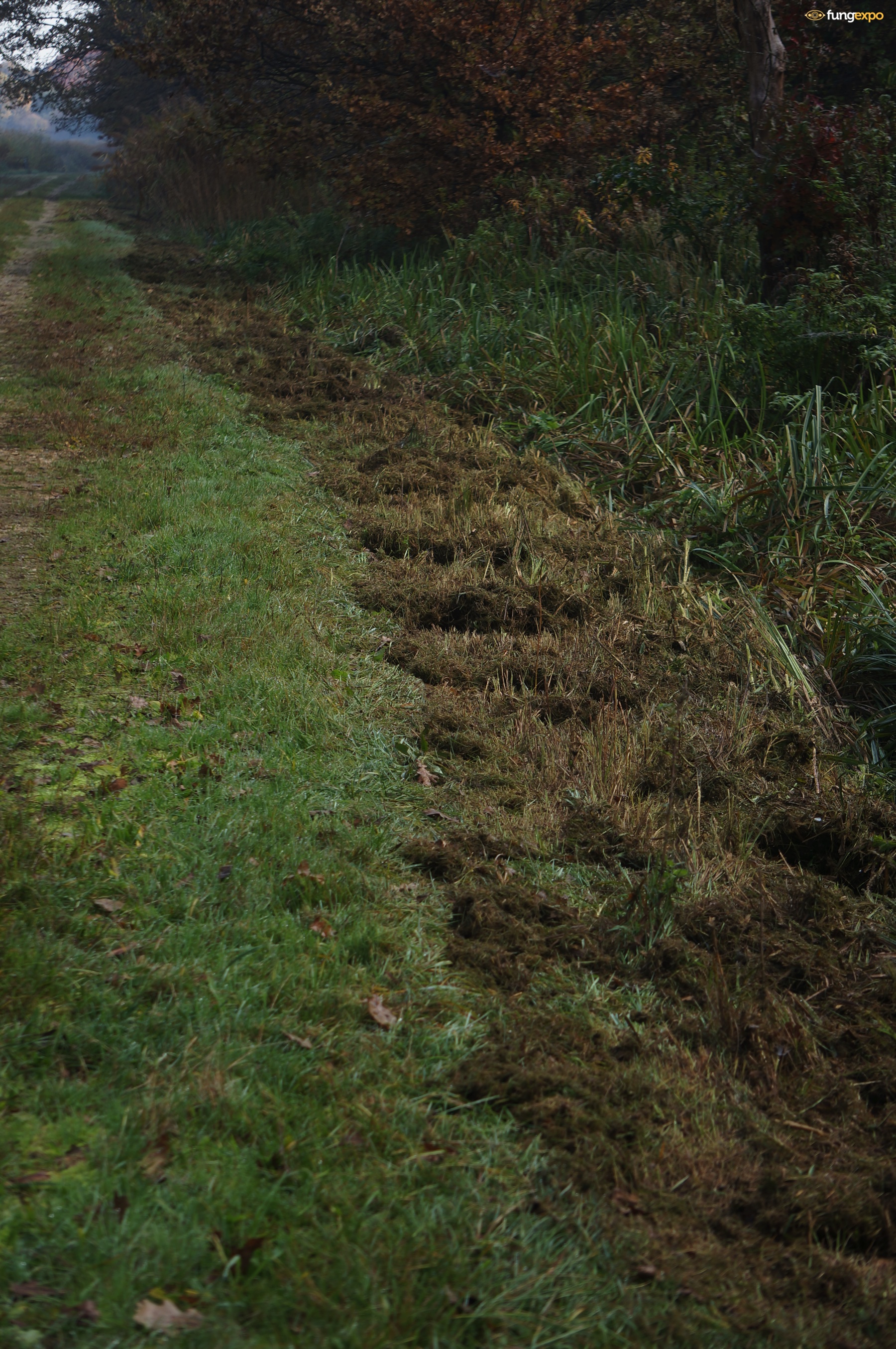
In the autumn of 2023, we visited the habitat multiple times. Unfortunately, instead of the anticipated protection, we found that the site—an area of damp, grassy ground along a drainage ditch between a dirt road and a stand of silver fir—had been subjected to tractor-driven brush cutting. The entire length of the ditch had been cleared, and the heavy tractor wheels had carved 5–10 cm deep ruts into the wet grass. Unsurprisingly, after such habitat disturbance, we couldn’t find the fungus. Apart from a few resilient Galerina species, there was hardly anything left in the area. At the time, I still held out hope that the wheels of bureaucracy were simply turning slowly… Maybe next year…
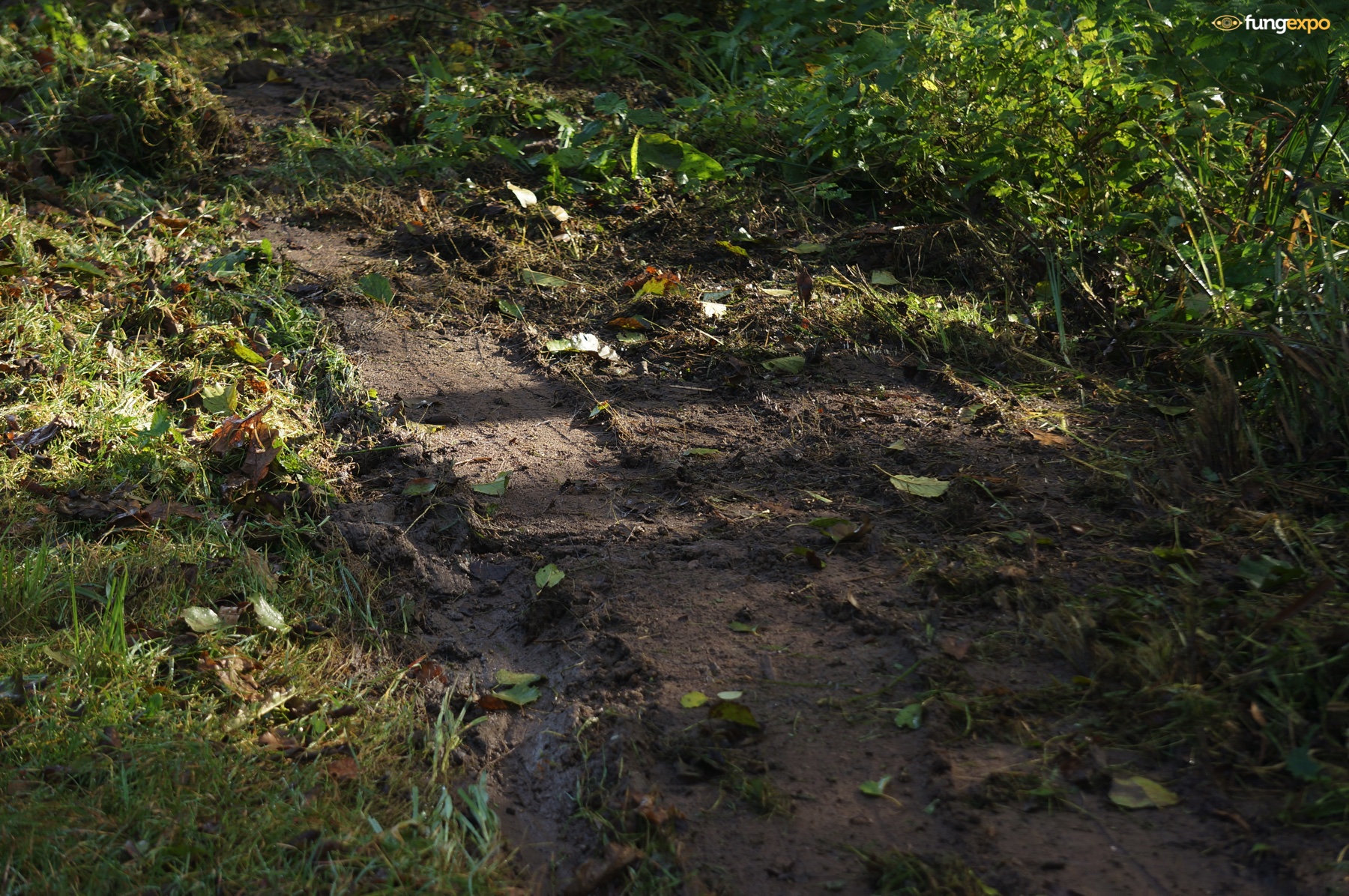
In October 2024, a little over a year after recording the first find, we returned to the area with some apprehension. Unfortunately, we found the same situation as in the autumn of 2023—the clumsy tractor tracks had once again torn through the grassy habitat where Hygrocybe subpapillata had been discovered. Sadly, we didn’t find it this year either.
To conclude the story, I want to preemptively address any hasty judgments. My intention was not to stir up emotions with the details I’ve shared, but to offer a signal and a lesson. It’s also important to note that I did not “take action” in this matter—obviously, I couldn’t, as I have no authority to hold the national park accountable. What I could do, I did: I documented and reported the occurrence of a rare species with data. I will do the same in the future, and thanks to their trust, I now have direct access to the mapping database. So, the way things unfolded in this case is simply a sad fact. I am unaware of the reasons behind it, but I’m certain that the ŐNPI staff members I’ve been in contact with truly valued data collection and habitat protection. Somewhere along the way, something didn’t go as it should have… Nonetheless, we won’t give up. Assuming that the tractor mowing has been happening in previous years as well, there’s still a faint hope that, despite all these setbacks, Hygrocybe subpapillata will find a way to thrive and bear fruit.
The only known Hungarian habitat of Hygrocybe subpapillata – October 27, 2024 @ Himfa Park Forest