On February 13, a large-scale taxonomic and phylogenetic revision of the European species of the genus Entoloma was published in Persoonia (one of the most highly regarded international mycological journals). The paper was authored by an international research team of 16 scientists, including Dr. Bálint Dima from Hungary, who participated directly in the work. The more than 100-page study also serves as a precursor to the second volume of the European Entoloma monograph. Based on 694 new ITS sequences and detailed morphological examinations, the publication describes 29 new species and introduces a new section within the genus. In addition, neo-/lecto-/epitypes are designated for 16 classical names, and the species concepts of several dozen older taxa are revised.
This massive work cites a considerable amount of Hungarian material, including several of our own collections. One of the new species (E. umbrinotinctum) was described from Hungary, and the type specimen also originates from a Hungarian collection. We may even appear among the authors of the species description. The paper is recommended reading for anyone interested in mycology; in this post we present only our own related records.
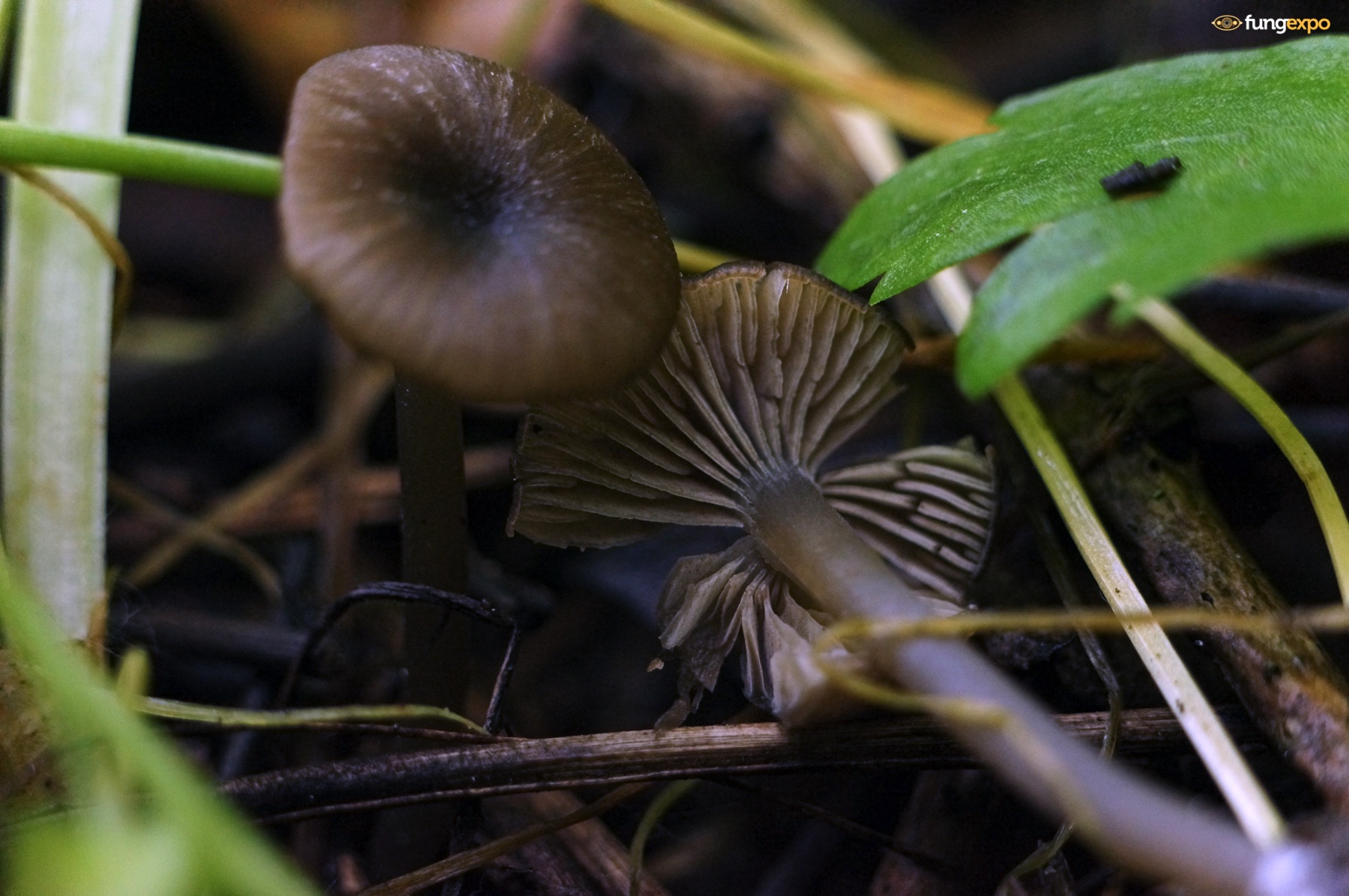
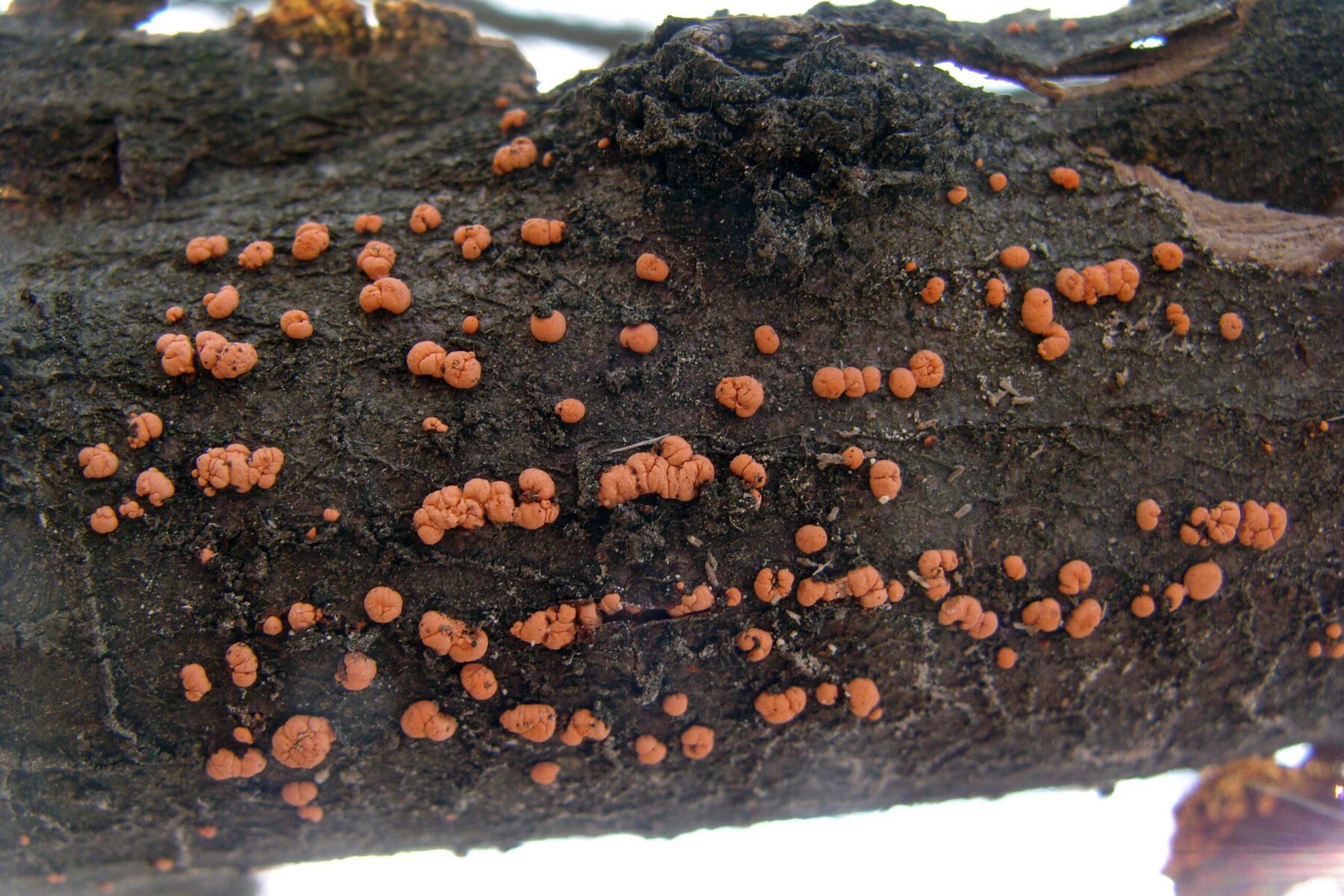
This specimen was collected in 2022 near Sárvár, in the Szatmár Forest, in the floodplain of the River Rába. Based on microscopy alone we had no realistic chance of identifying it to species level, but after the molecular analysis we soon learned that it represented a new, previously undescribed species. It also turned out that, besides us, the species had been collected a year earlier by Edit Molnár, as well as by László Vajda. Among the species of Entoloma subgenus Entoloma (for example E. politum), the main morphological characters separating it are the dark coloration, the slender habit, and the elongated, nodulose spore shape; the habitat is also distinctive (alluvial forests with a spring fruiting period). In the phylogenetic tree it forms a well-supported independent clade (Undulatosporum). The type specimen was designated from Edit’s collection, and all three Hungarian collectors/studied materials were given the honour of appearing as co-authors of the species description. Our thanks once again!
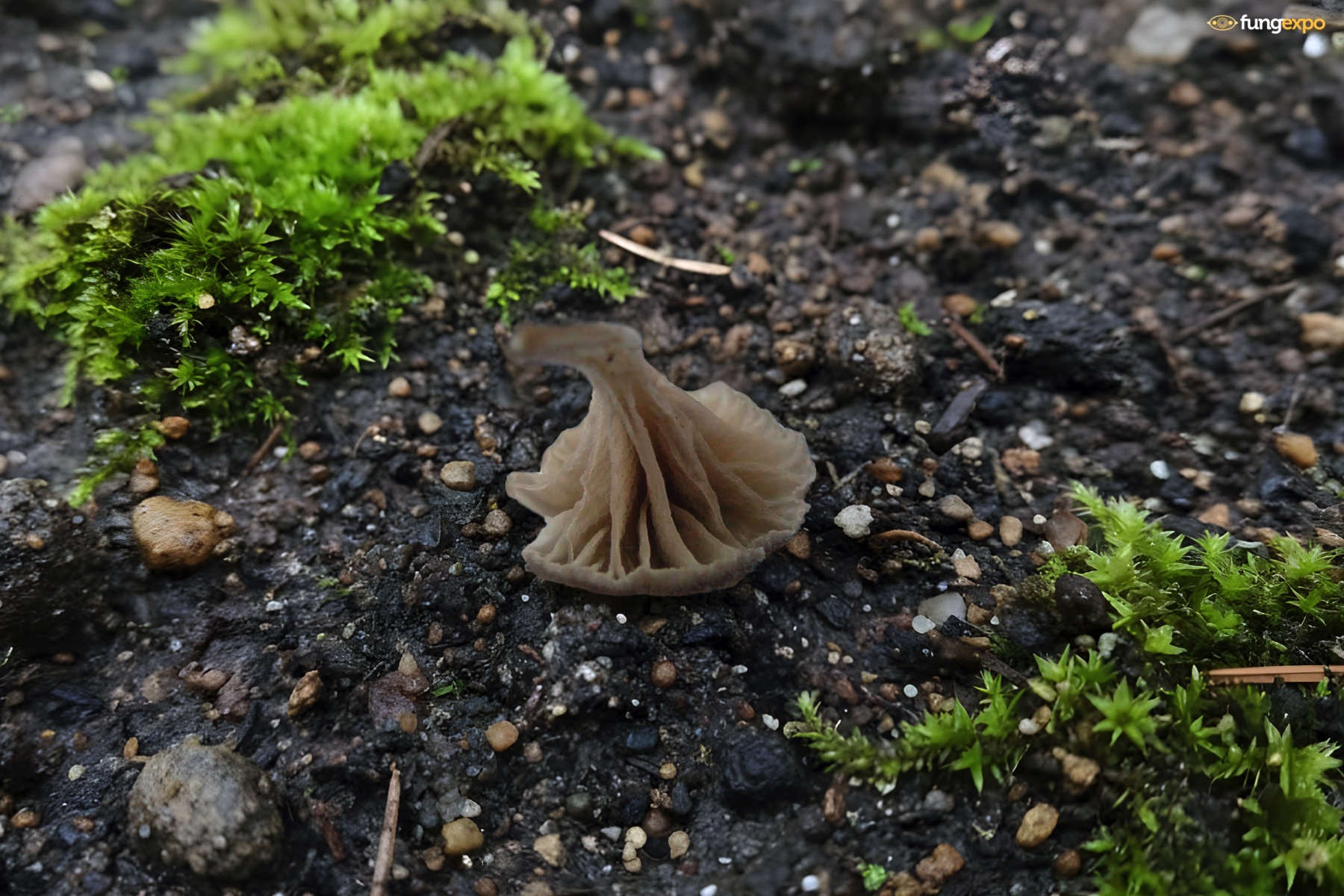
A similar story to the previous case – the only difference is that this tiny, omphalinoid Entoloma appeared in our garden, fruiting on the ground under our former willow tree. According to the paper, this minute mushroom – whose most distinctive microscopic character is the spore morphology (isodiametric spores with barely perceptible angles) – may previously have been confused with specimens of E. iodiolens. However, it is odourless, and since it is genetically distinct, it has now been described as a new species within the Claudopus clade. The paper indicates anthropogenic grasslands as its typical habitat. The type material originates from Germany, and besides that collection and our record, it has also been reported from Russia. Our collection is cited in the species description as examined material.
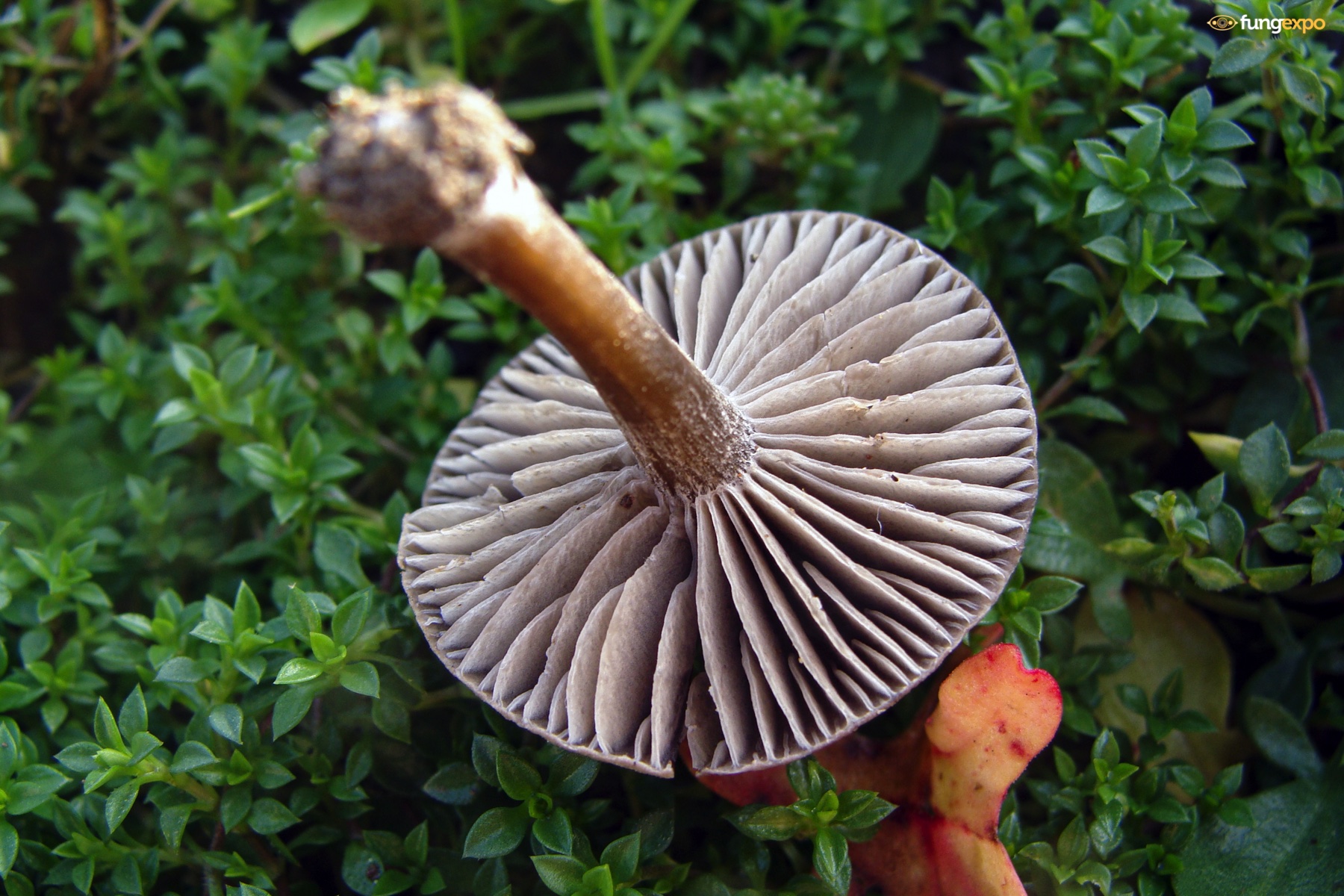
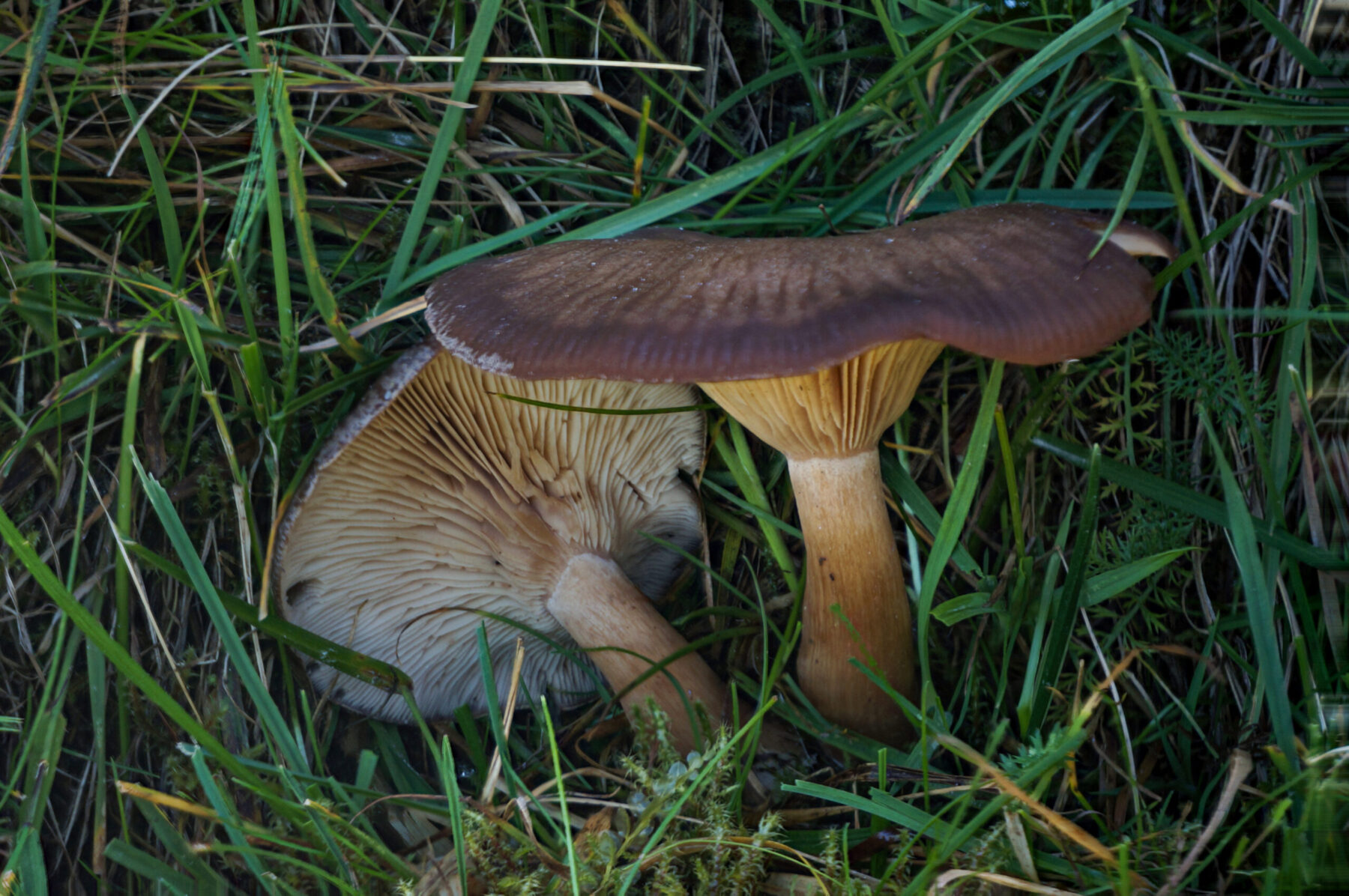
This specimen was collected in Szombathely during a rather intense late-autumn mushroom season – and in a fairly unusual habitat. We literally “stumbled upon it” in the grass around the Tesco shopping centre before going shopping. This conspicuously mealy-smelling mushroom is not a new species, but the paper revises its description. Earlier concepts (Kühner 1977, Noordeloos 1984) turned out to be incorrect: the species belongs to subgenus Erophila rather than subgenus Entoloma, and the spore morphology is more variable than previously thought (nodulose, 5–8-angled spores, with variable size due to the presence of both 2- and 4-spored basidia). The paper also expands the known ecology of the species: it is not restricted to alpine habitats, but also occurs in dunes, steppes, and grasslands. The type specimen originates from Switzerland, and the paper also includes our photographs of the species.
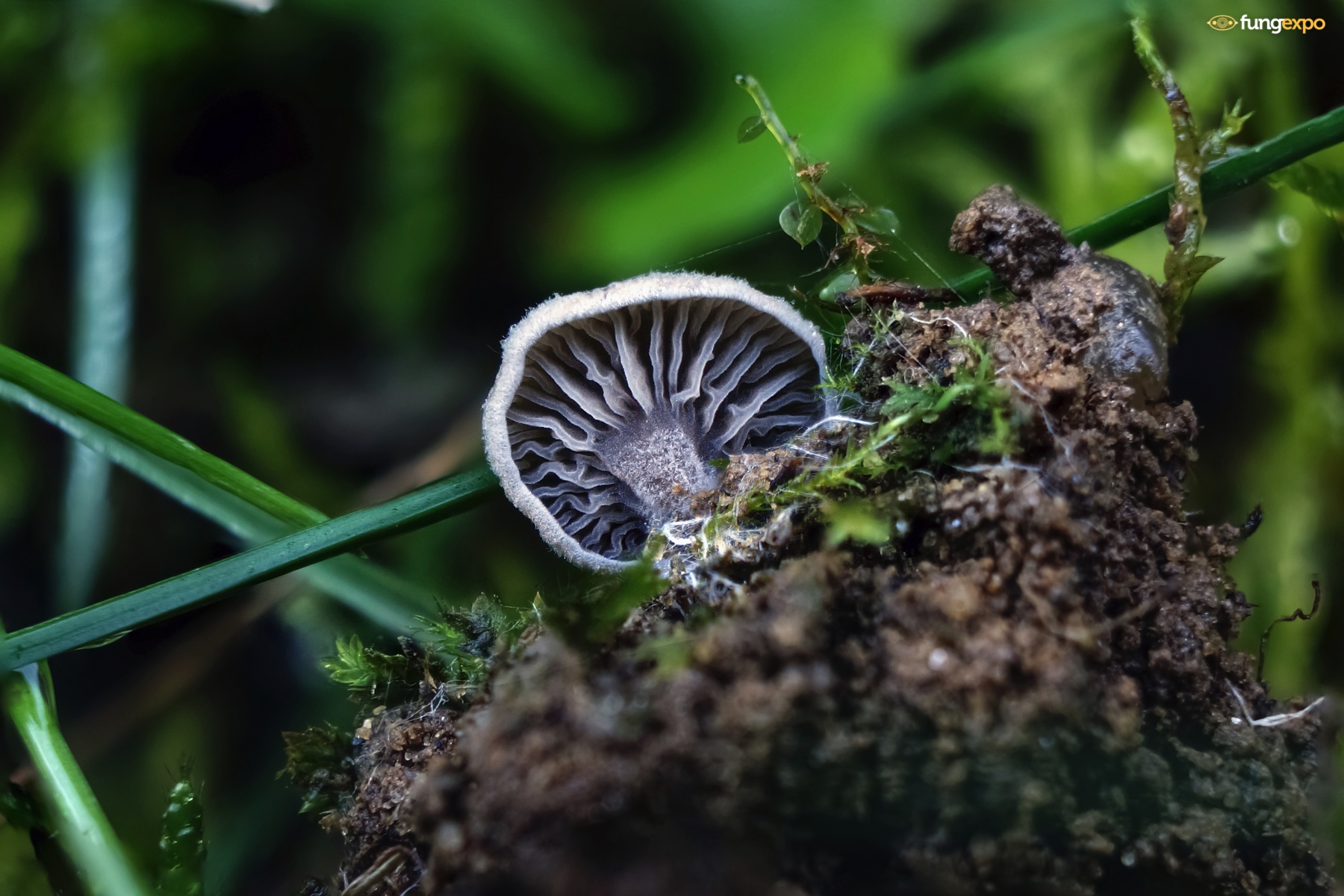
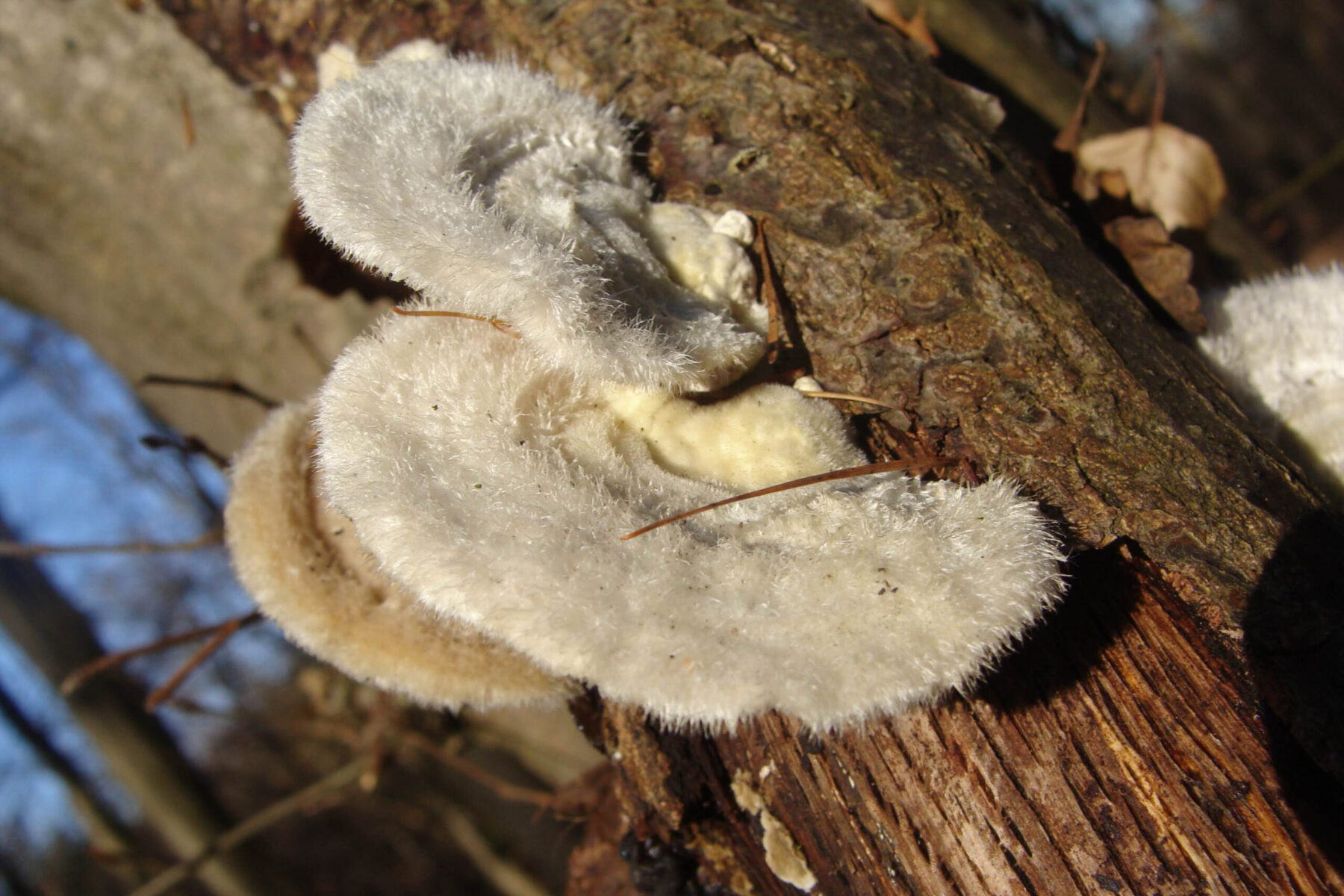
This pleurotoid Entoloma was previously included within the broad concept of E. byssisedum s.l., but it has now been separated based on genetic distance and its different ecology (it grows on decaying wood rather than directly on soil). The revision also refines the Claudopus clade, placing particular emphasis on the pleurotoid forms. Our collection comes from Zala County, from a mossy bank opening beneath evergreen trees. We had originally identified it ourselves as byssisedum, so it was a great pleasure to see its true identity clarified. Although our collection is confirmed by Bálint’s ITS results, unfortunately it could no longer be cited in the paper, as the data arrived after the manuscript had already been finalized. Even so, we consider it an important record, and it is very likely the first confirmed occurrence of the species in Hungary.
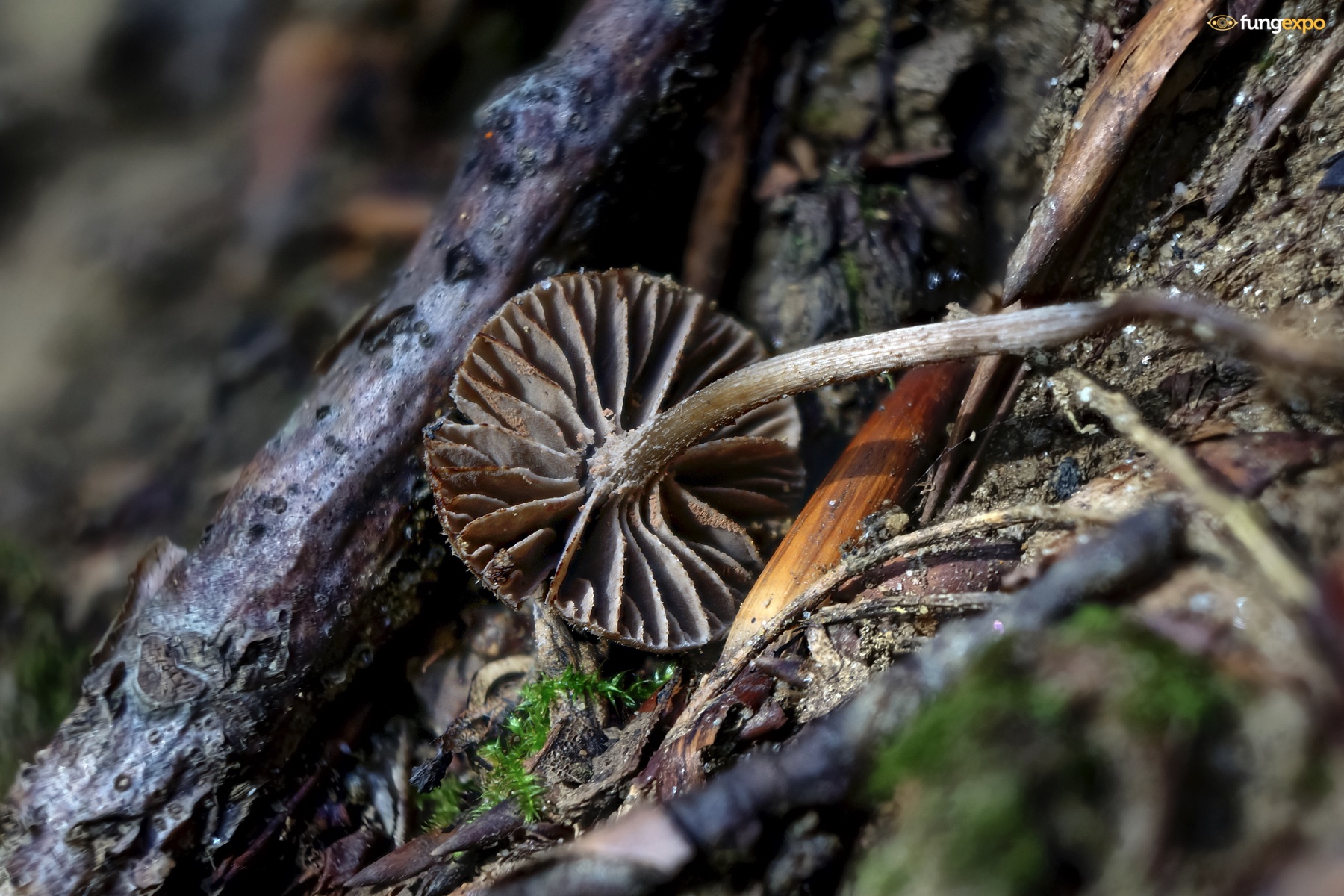
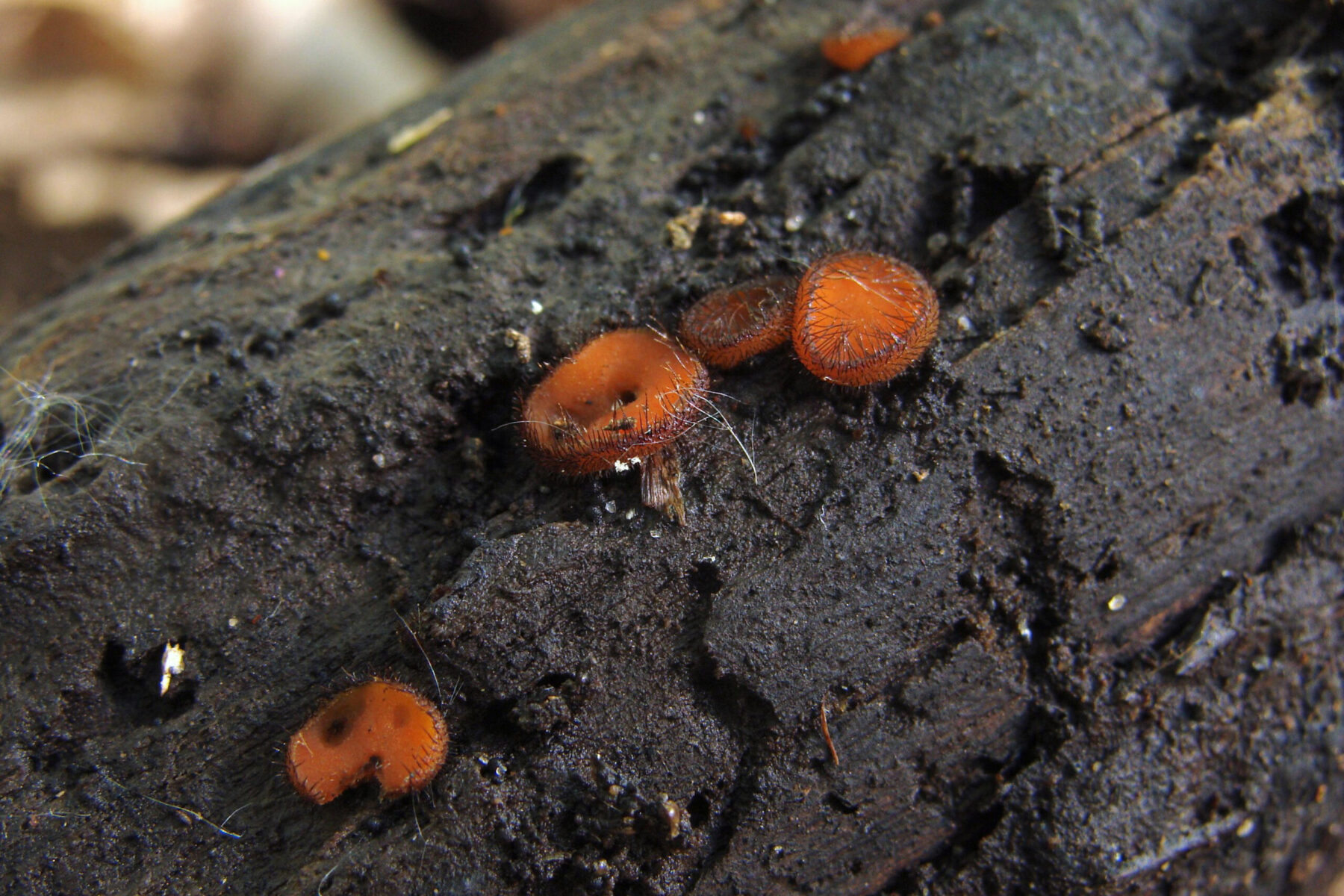
This is another newly described species. After the microscopic examination we had initially identified it as dysthaloides, with the help of Noordeloos, but Bálint’s ITS analysis soon showed that this was incorrect. It is indeed close to E. hirtum (section /Dysthales), but can be distinguished by its narrower spores and by the encrustation of some of its cystidia. The paper also revised subgenus Pouzarella and included this new taxon within it. Our specimen also comes from Zala County; unfortunately it too arrived after the manuscript had already been finalized, but as the first Hungarian record it is still clearly connected to the material discussed in the study.