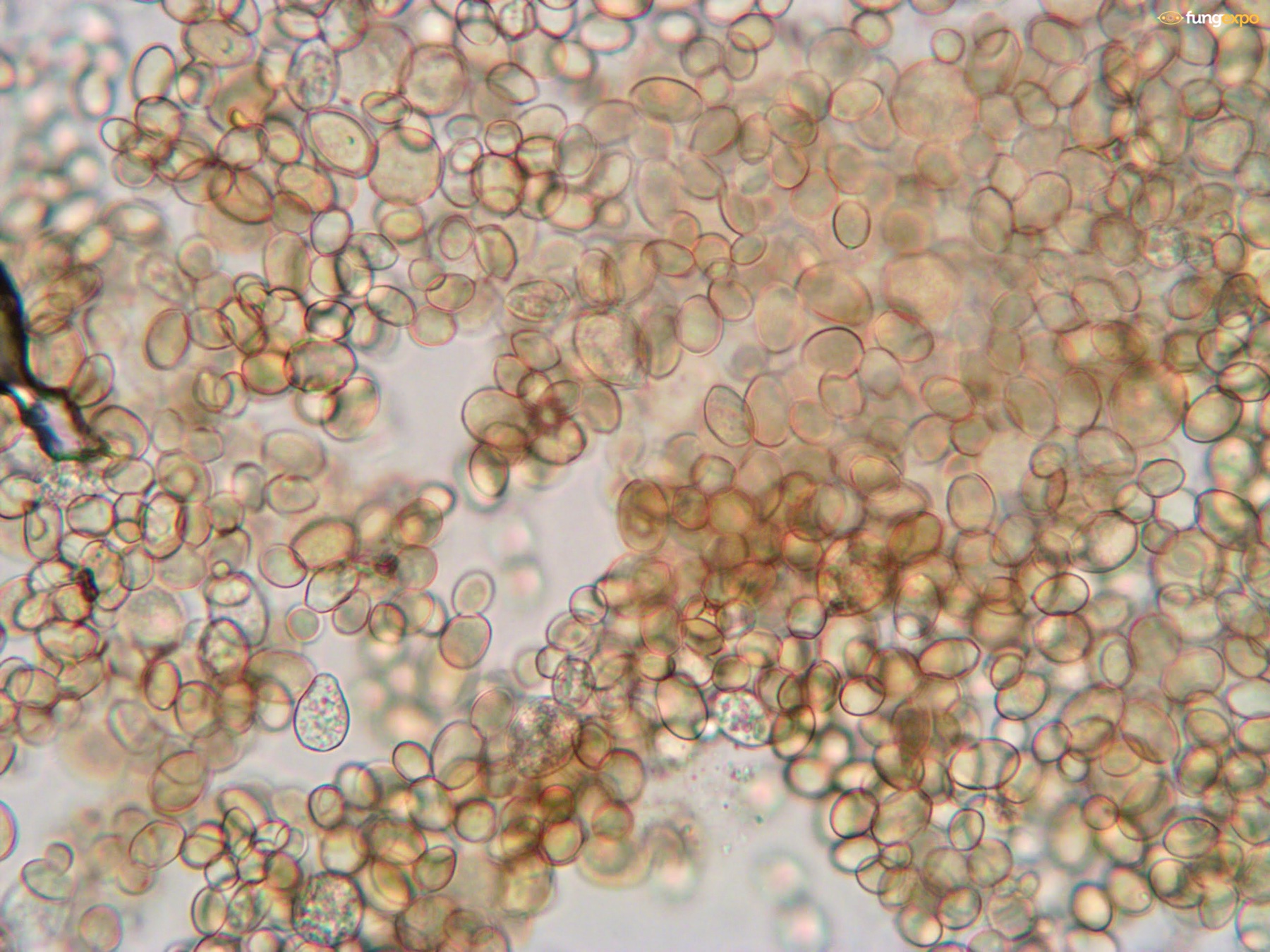
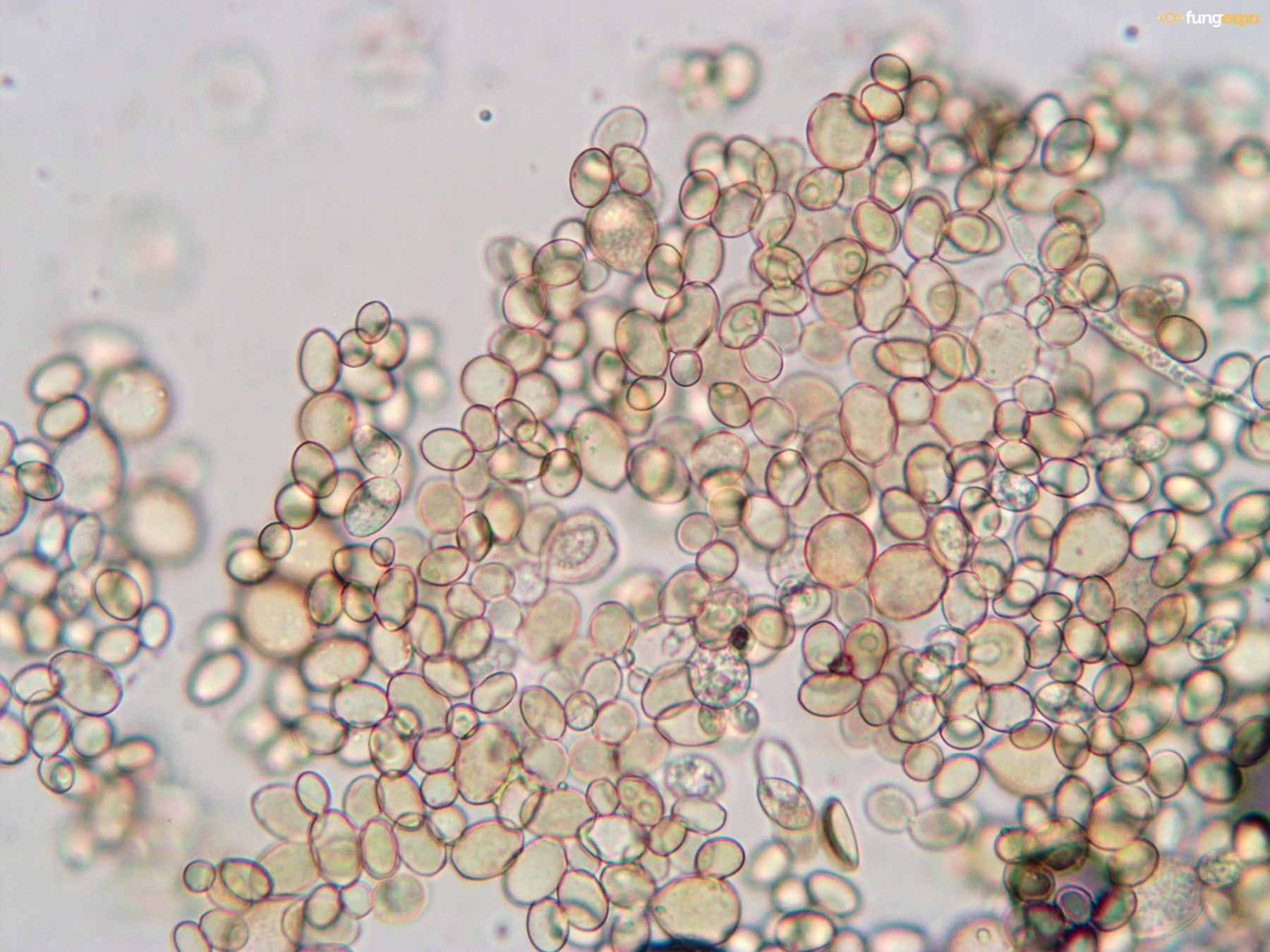
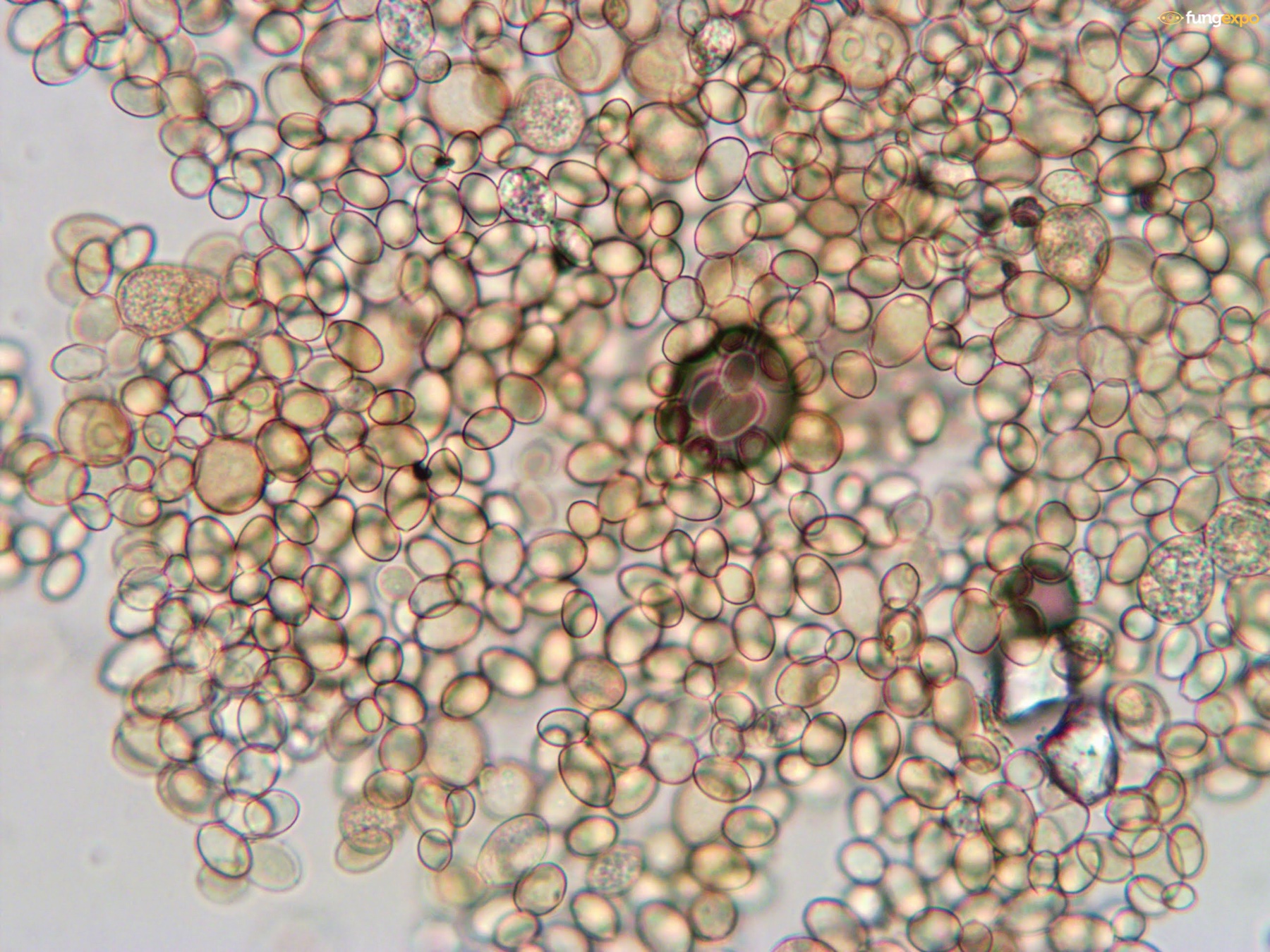
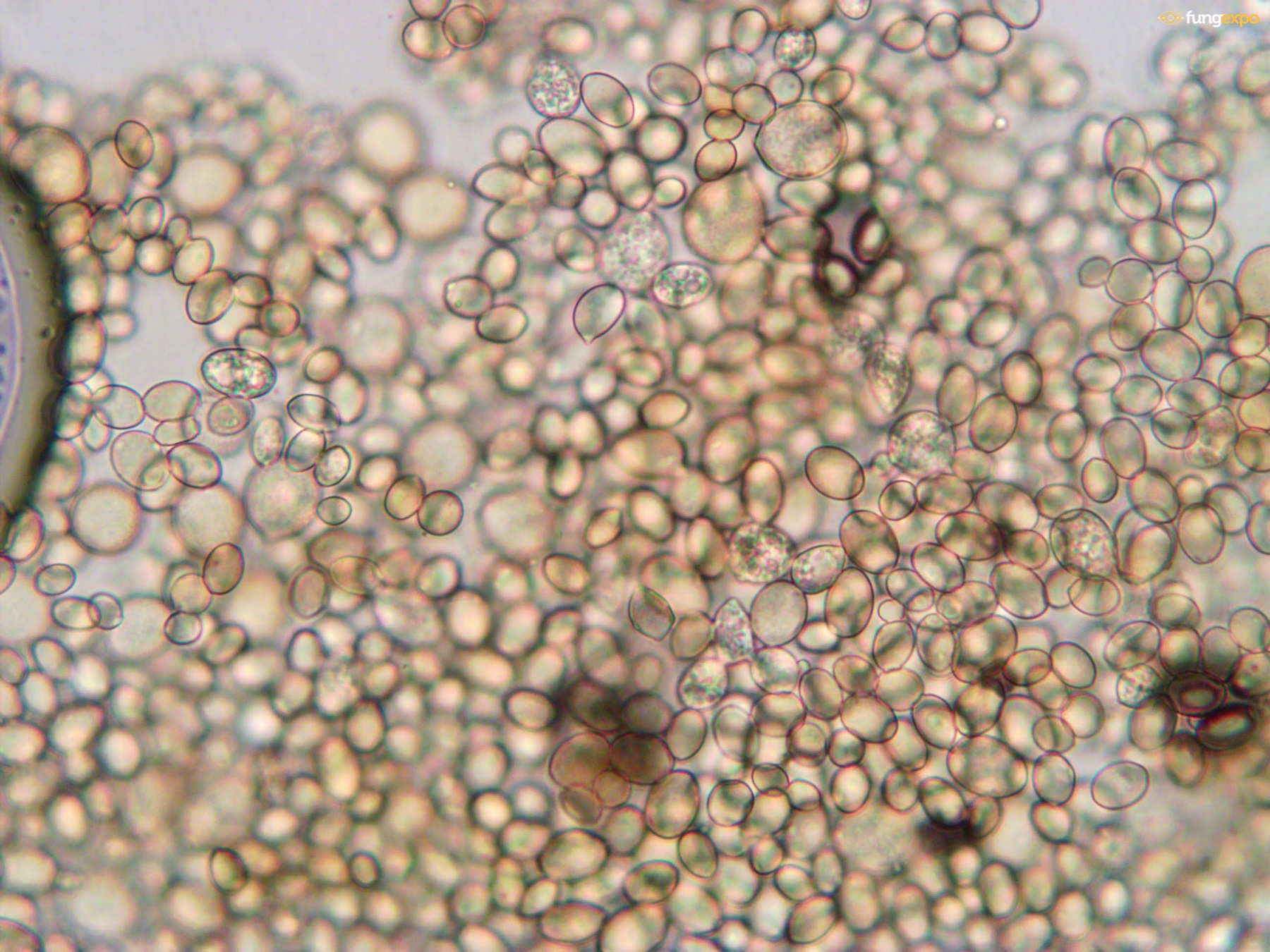
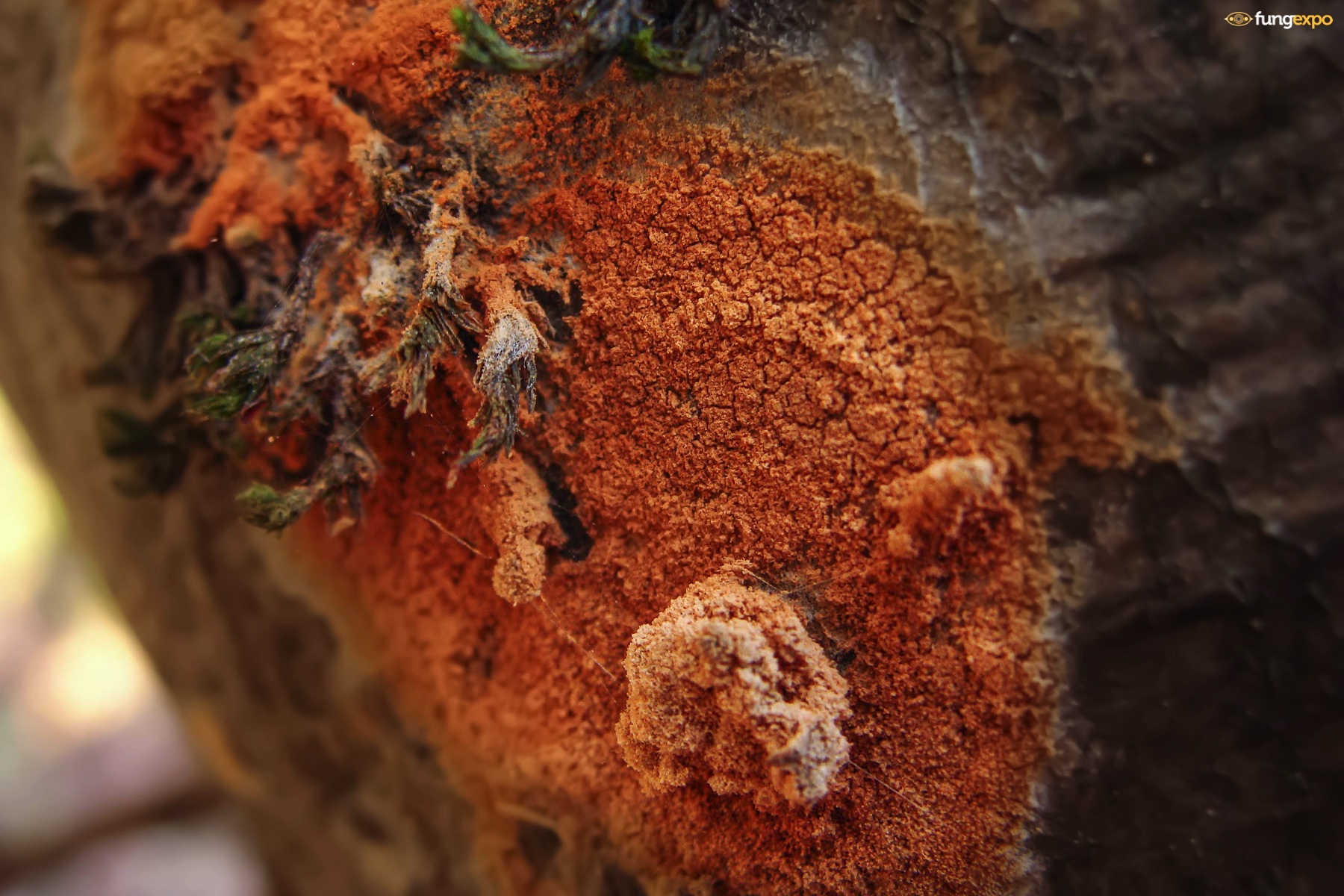
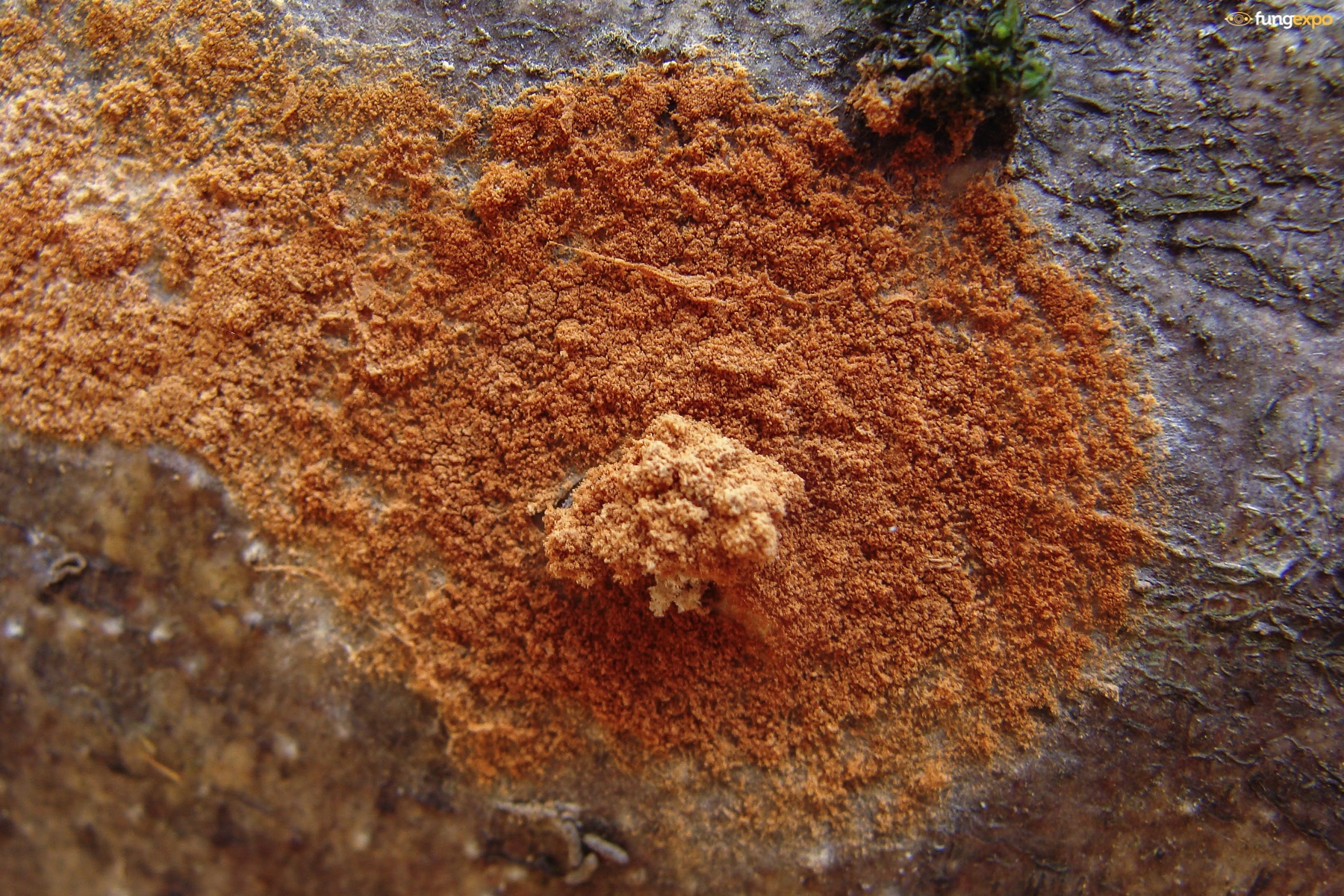
Élőhelyi fotók:
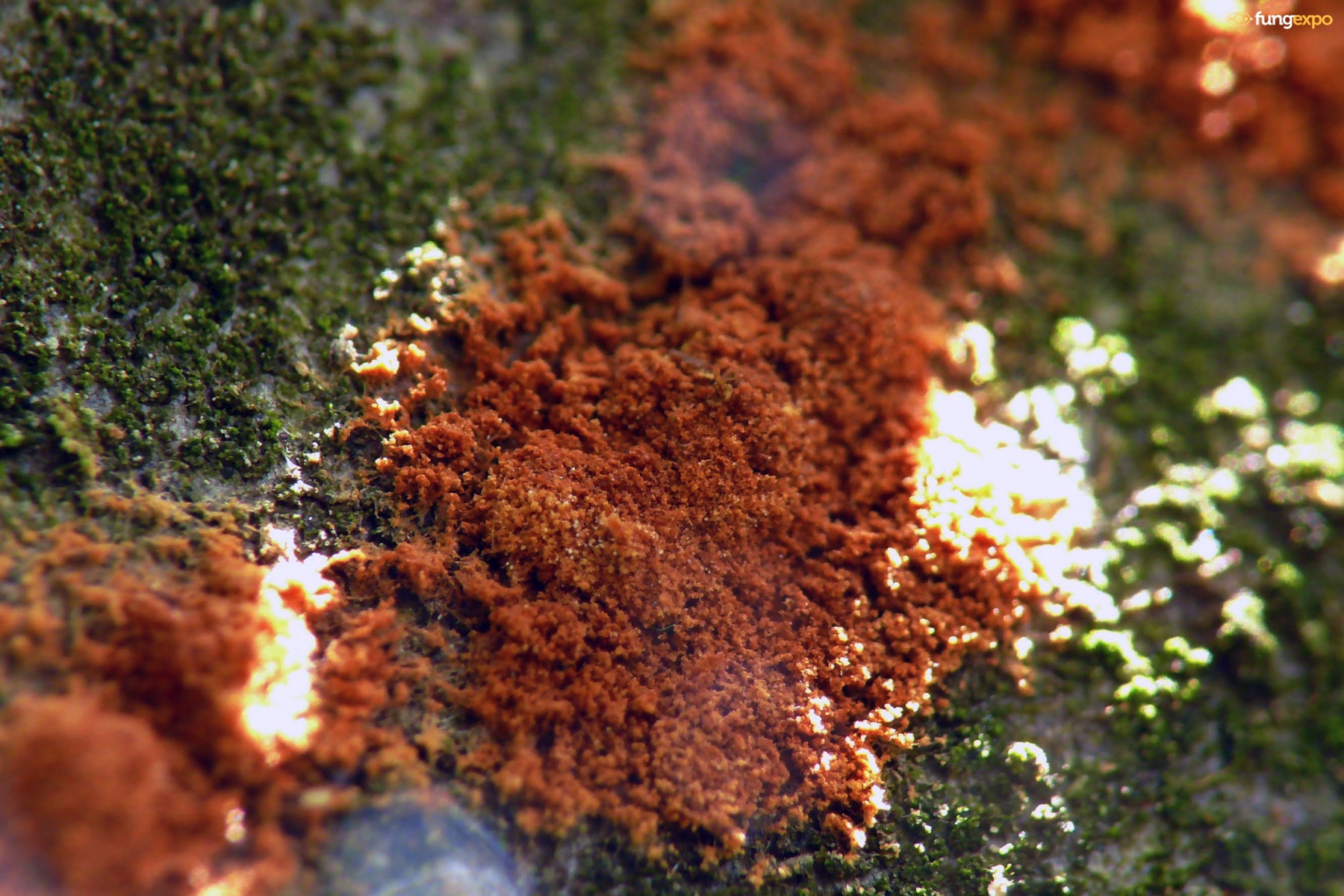
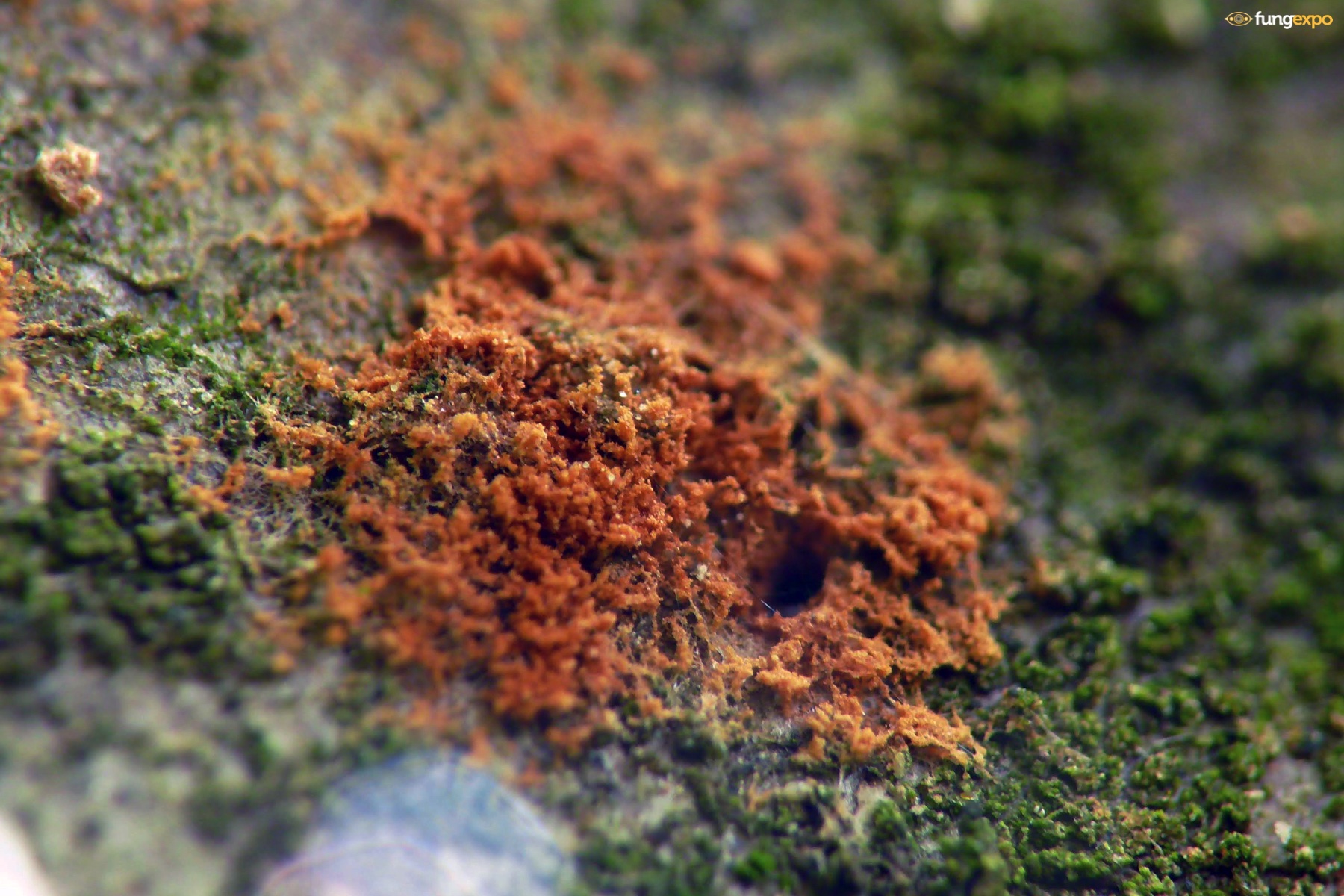
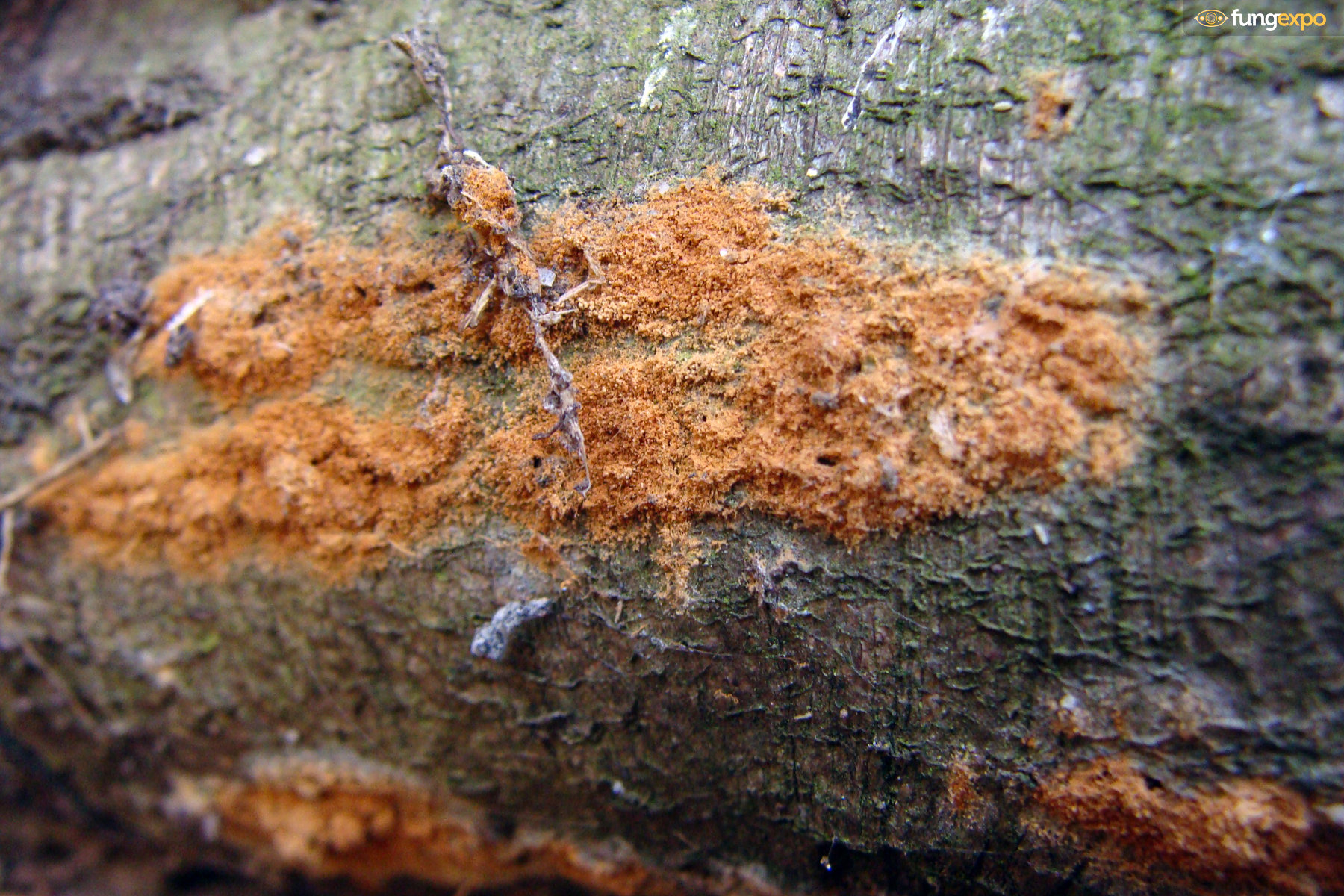
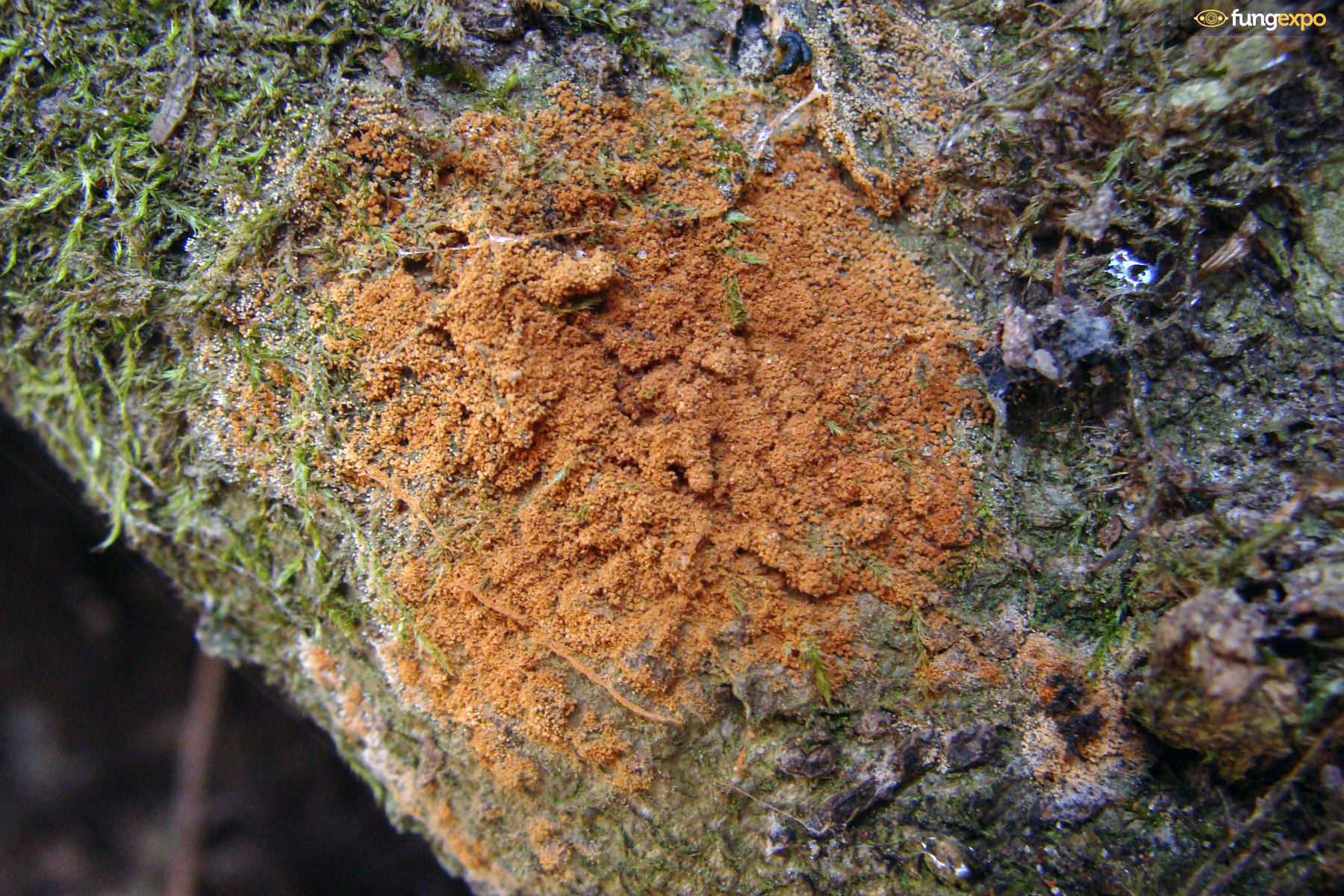
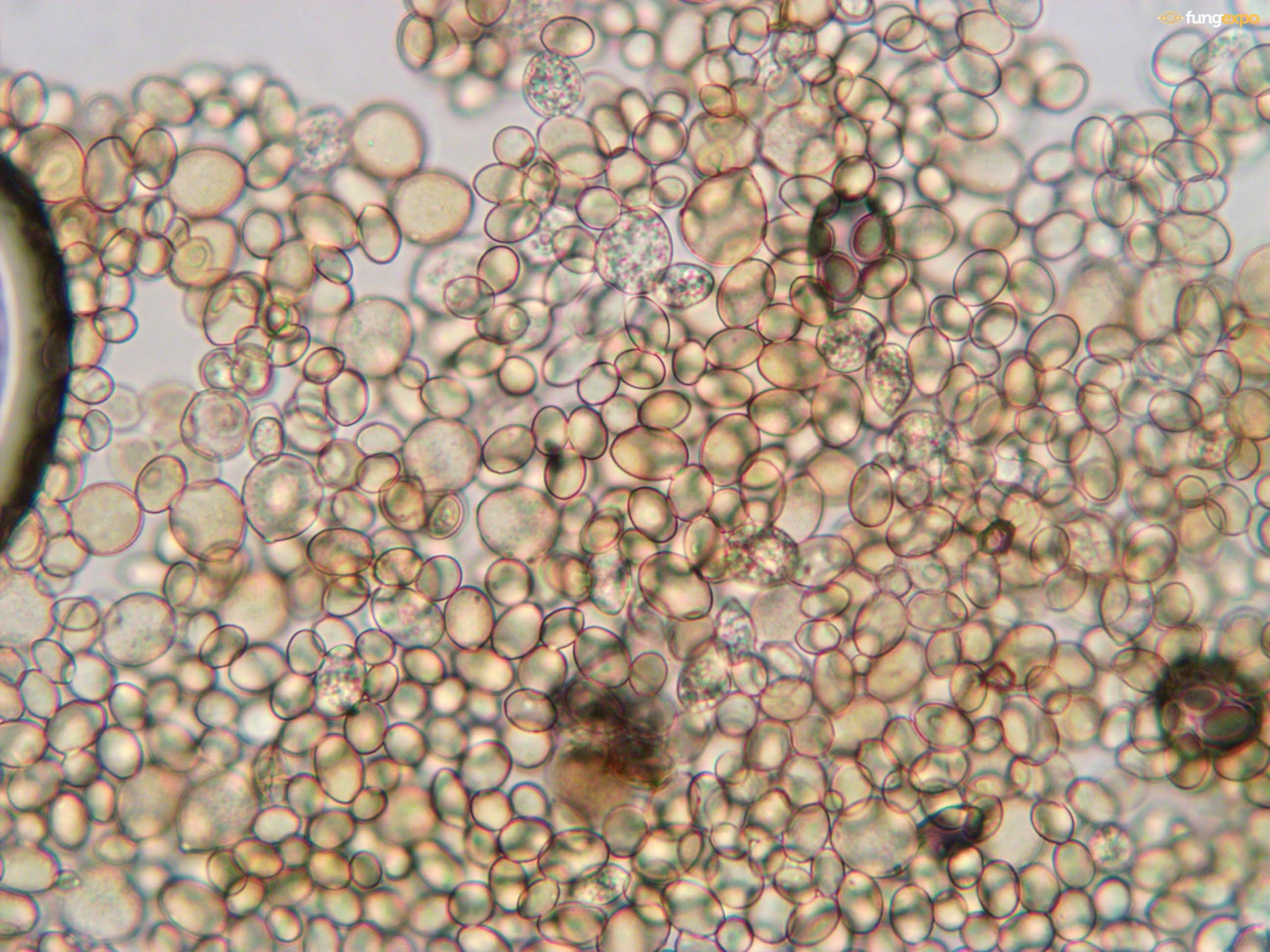
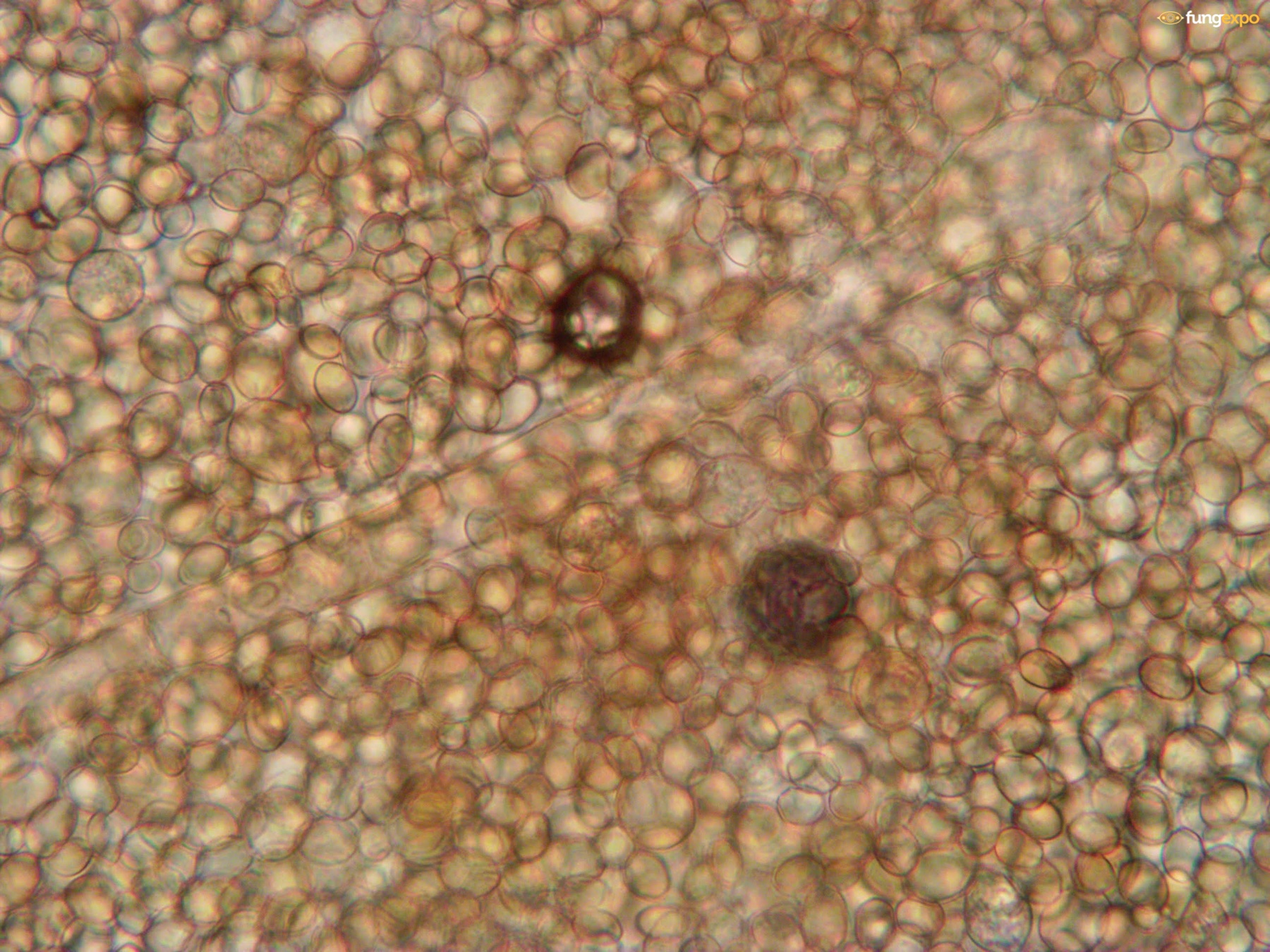
Mikroszkópos fotók:

A 2017.06.03. Ω
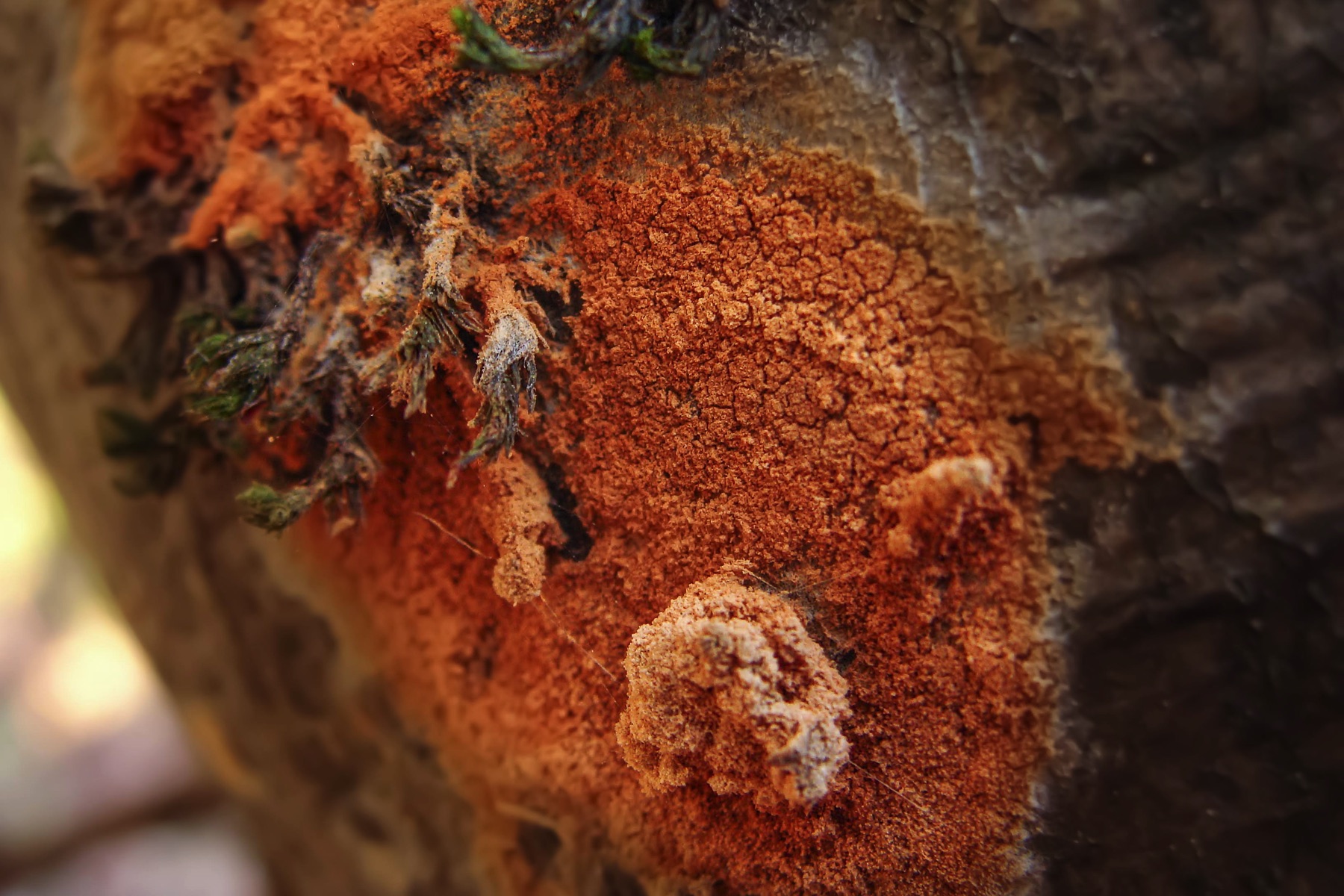
Élőhelyi fotók:
Mikroszkópos fotók:
 Megjegyzések:
2024. január 10., BG
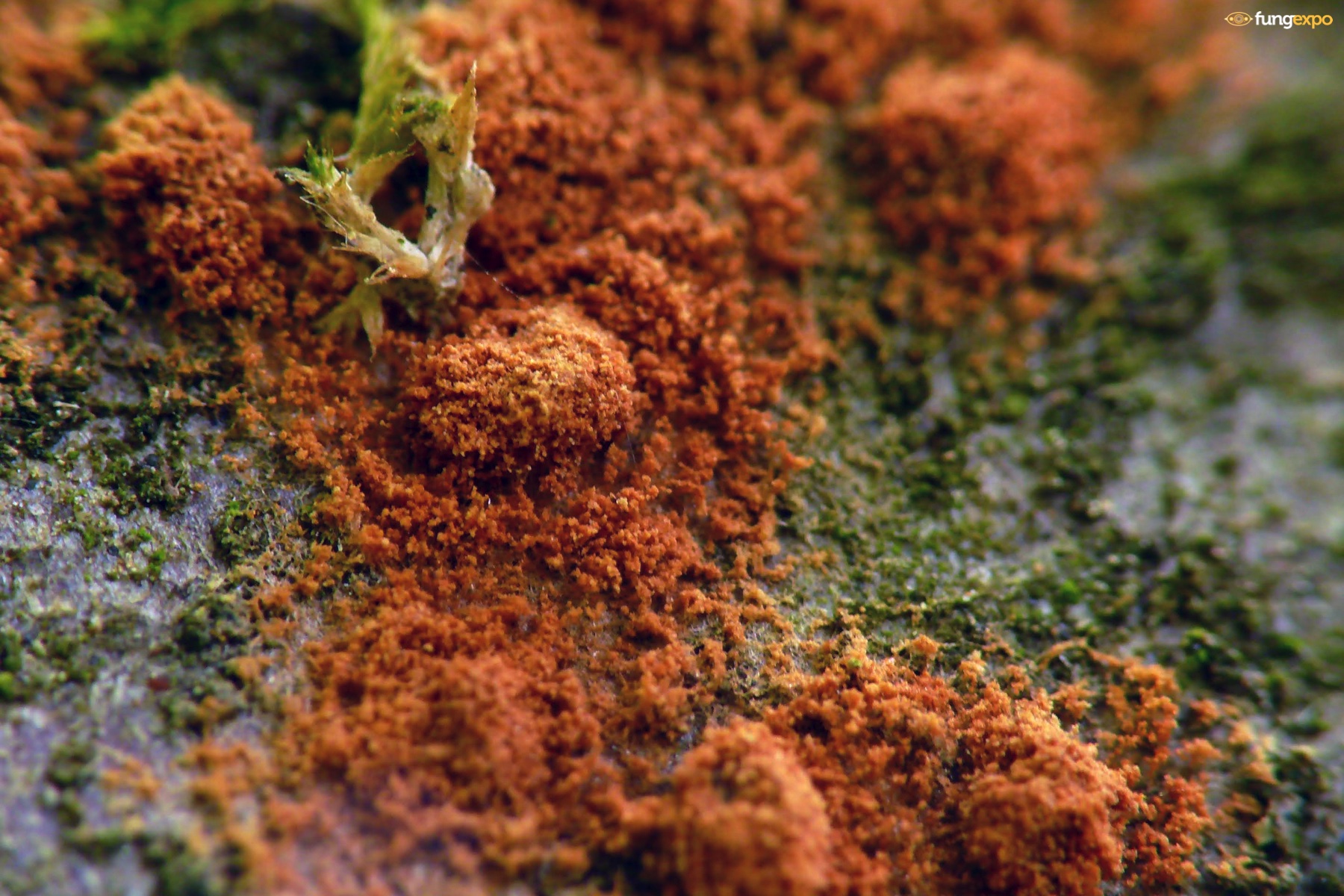
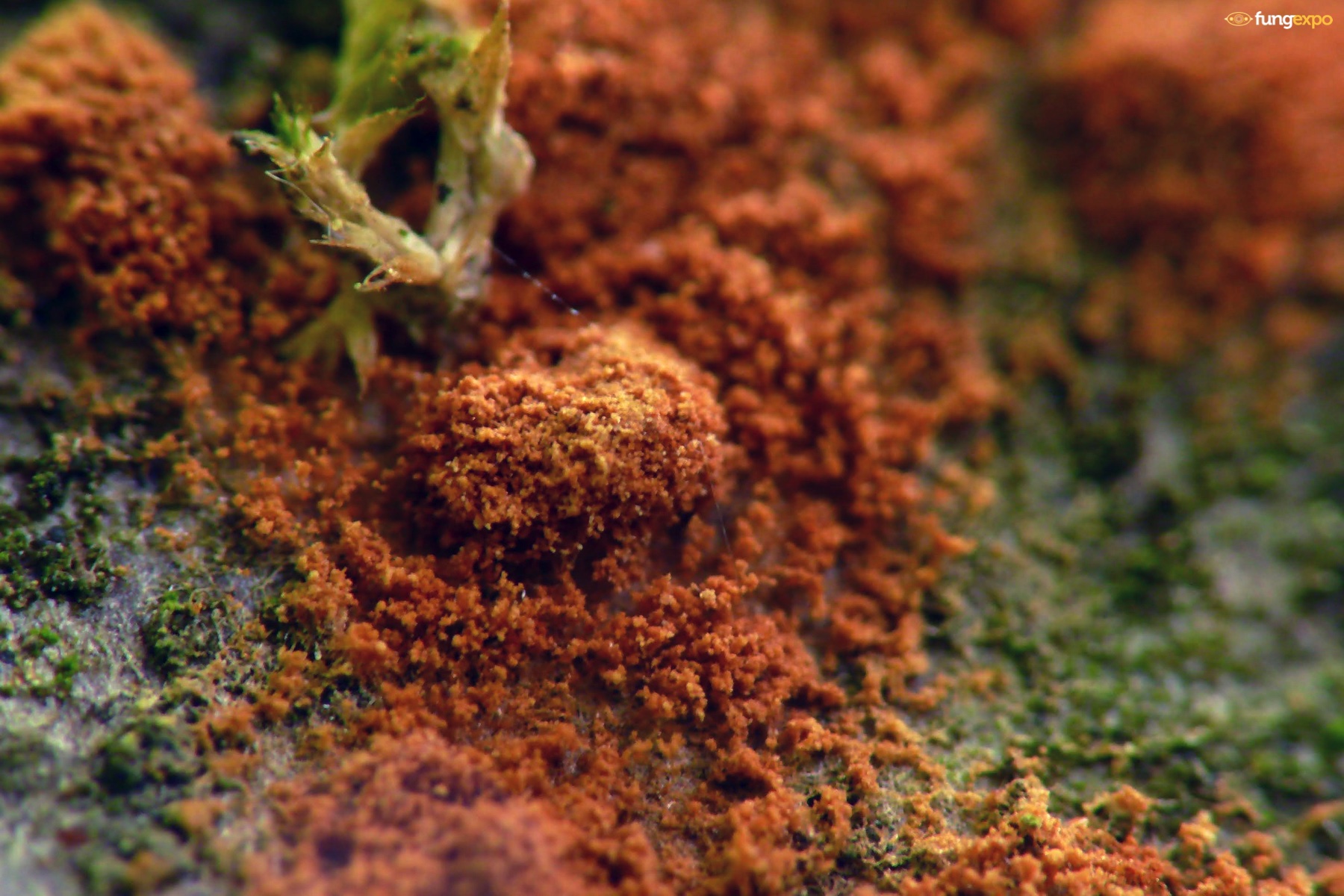
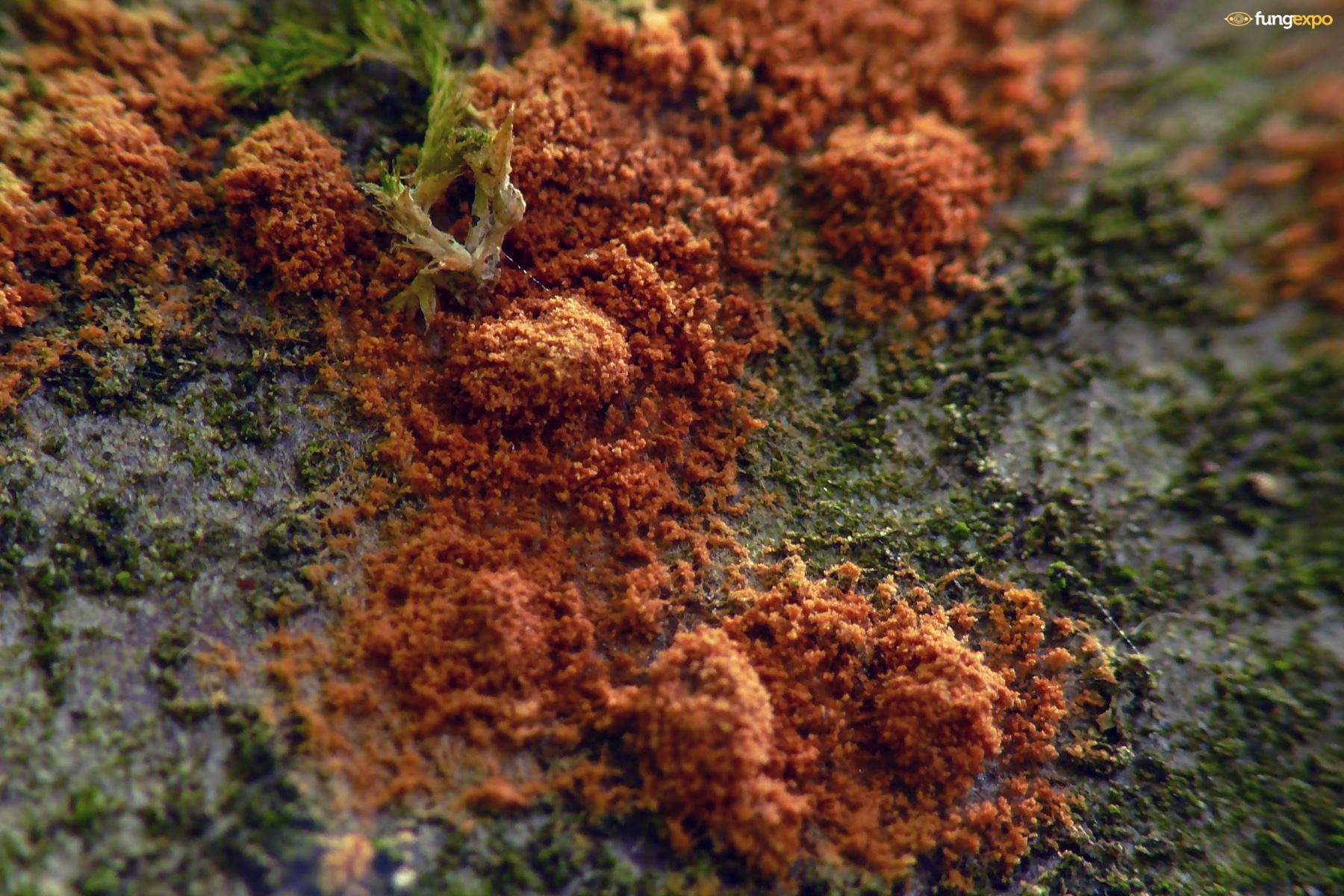
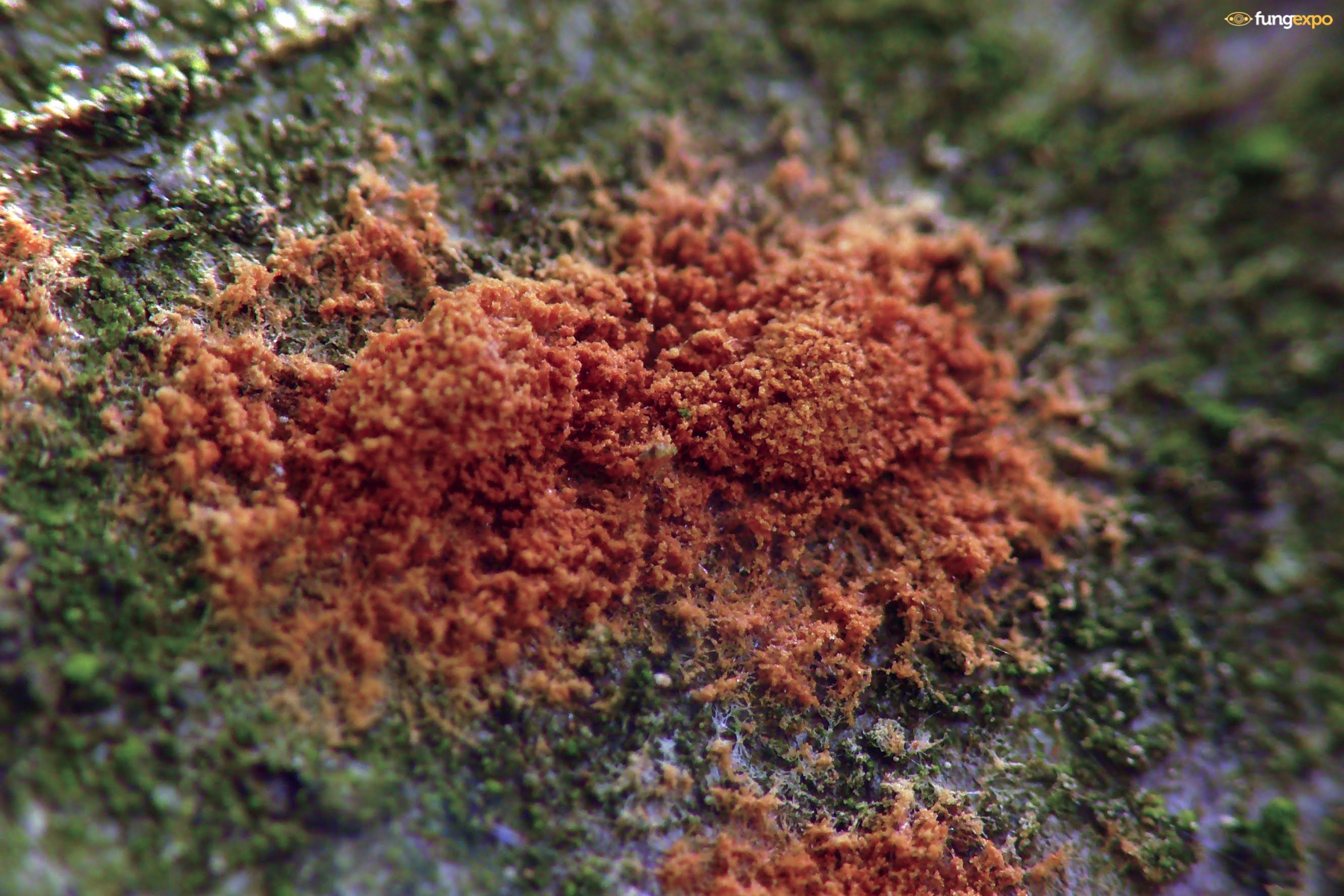
Mikromorfológiailag elég komplex felépítményű ez a mikoparazita gomba, a fungexpo gyorsleírásai ehhez nem tudnak kielégítő támpontot adni, mindenképpen erdemes áttanulmányozni a forrásokat. Mycelium consisting of hyaline, smooth, branched, septate, 3–4 µm diam hyphae. Conidiophores dimorphic. Microconidiophores reduced to conidiogenous cells on hyphae, erect, golden-brown, smooth, cylindrical, 20–40 × 6–8 µm. Macroconidiophores erect, flexuous, subcylindrical, smooth, golden-brown, flexuous, up to 400 µm tall, 8–10 µm diam, 2–7-septate, unbranched, terminal conidiogenous cell clavate, but at times also intercalary (appears to be linked to rejuvenating conidiophore), 25–100 × 11–15 µm; loci sympodial, thickened, somewhat darkened, 1–2 µm diam. Conidia occurring in branched chains, obovoid to ellipsoid, thickwalled, golden-brown, smooth, granular, apex obtuse, tapering to a truncate hilum, thickened and somewhat darkened, 1–2 µm diam, attached via a narrow isthmus, aseptate; primary conidia 15–21 × 12–14 µm; secondary conidia 11–15 × 8–9 µm; tertiary conidia 7–10 × 6–7 µm. Forrás: New and Interesting Fungi. 1 (doi.org/10.3114/fuse.2018.01.08)


3.
2026. március 08.
2.
2022. április 24.
1.
2021. december 21.

2026. március 08., 20:47
 Médiastatisztika
Leszámítva a molekuláris vizsgálattal validált adatainkat, a tévedés lehetősége szinte mindig fennáll. Bármennyire is igyekszünk körültekintő módon meghatározni a fungexpón szereplő fajokat, előfordulhat a tévedés, ahogy az is, hogy a taxonómiai változások időközben érvénytelenítettek valamilyen az oldalon található információt. Ha ilyesmit talál, kérjük, jelezze nekünk az hiba@fungexpo.eu emailen vagy az alábbi gombra kattintva, a beküldőűrlapon keresztül, mi pedig igyekszünk mielőbb javítani a hibát. A célunk az, hogy minél hitelesebb és naprakészebb információkat tároljunk és osszunk meg itt. Köszönjük!