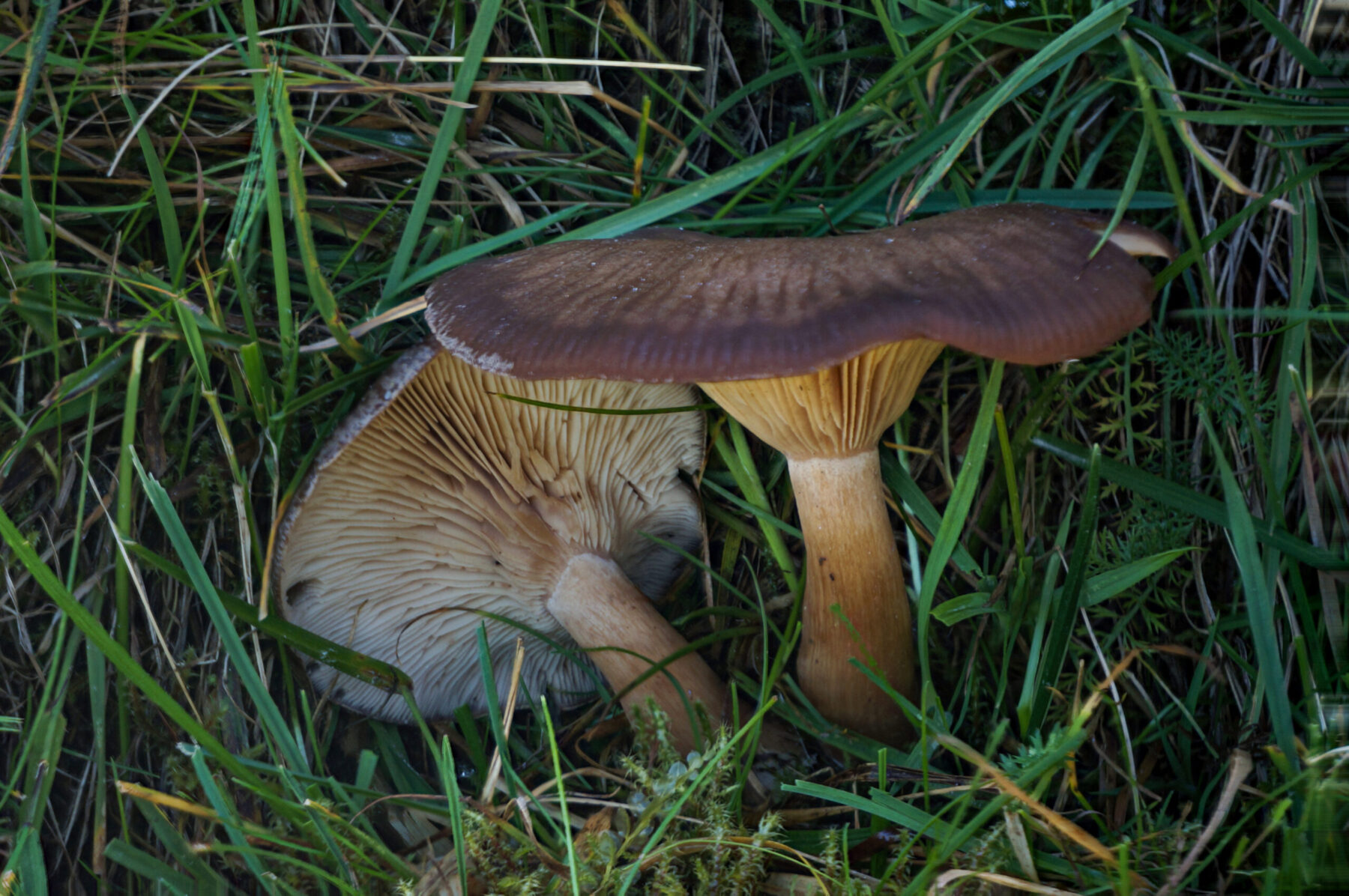
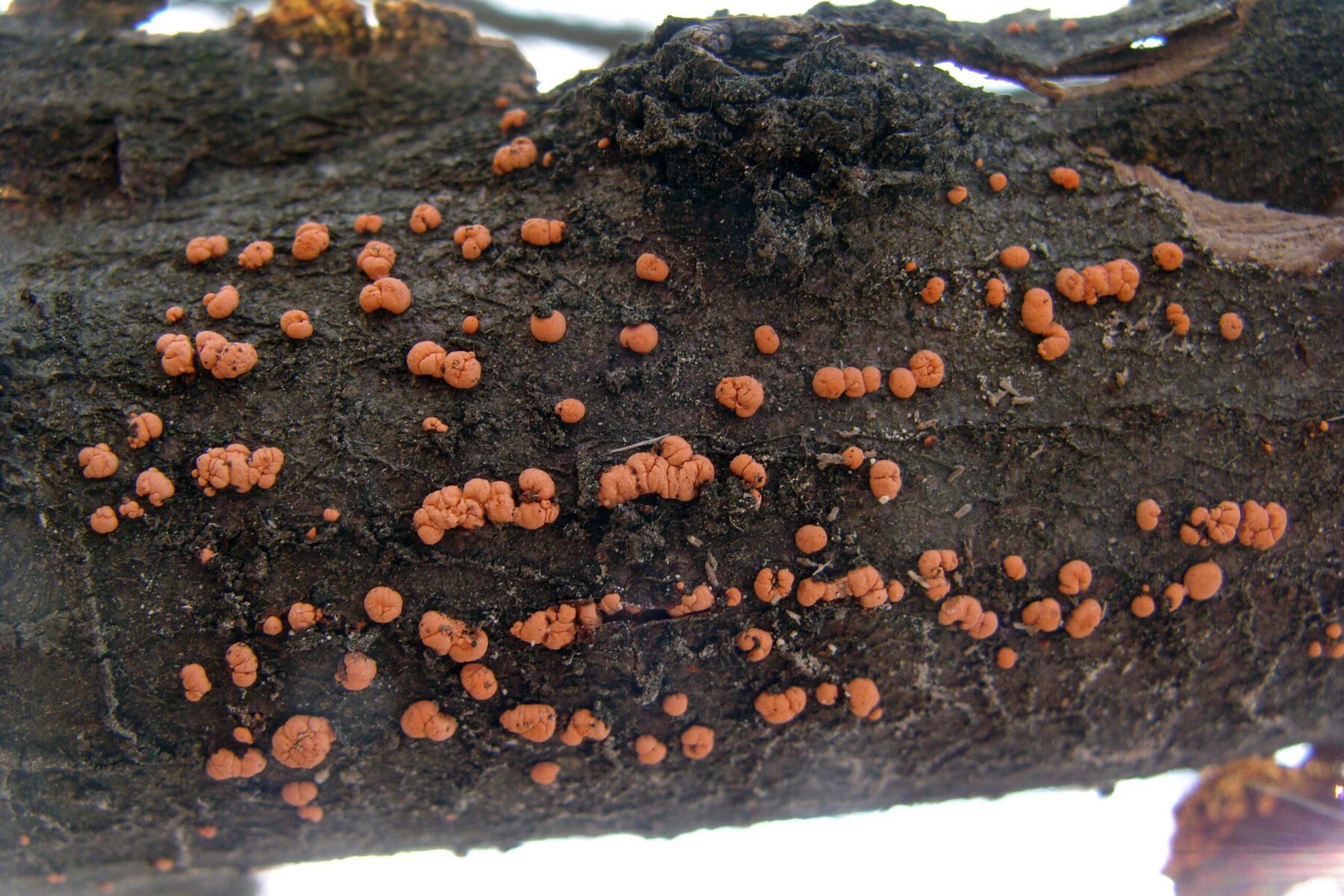
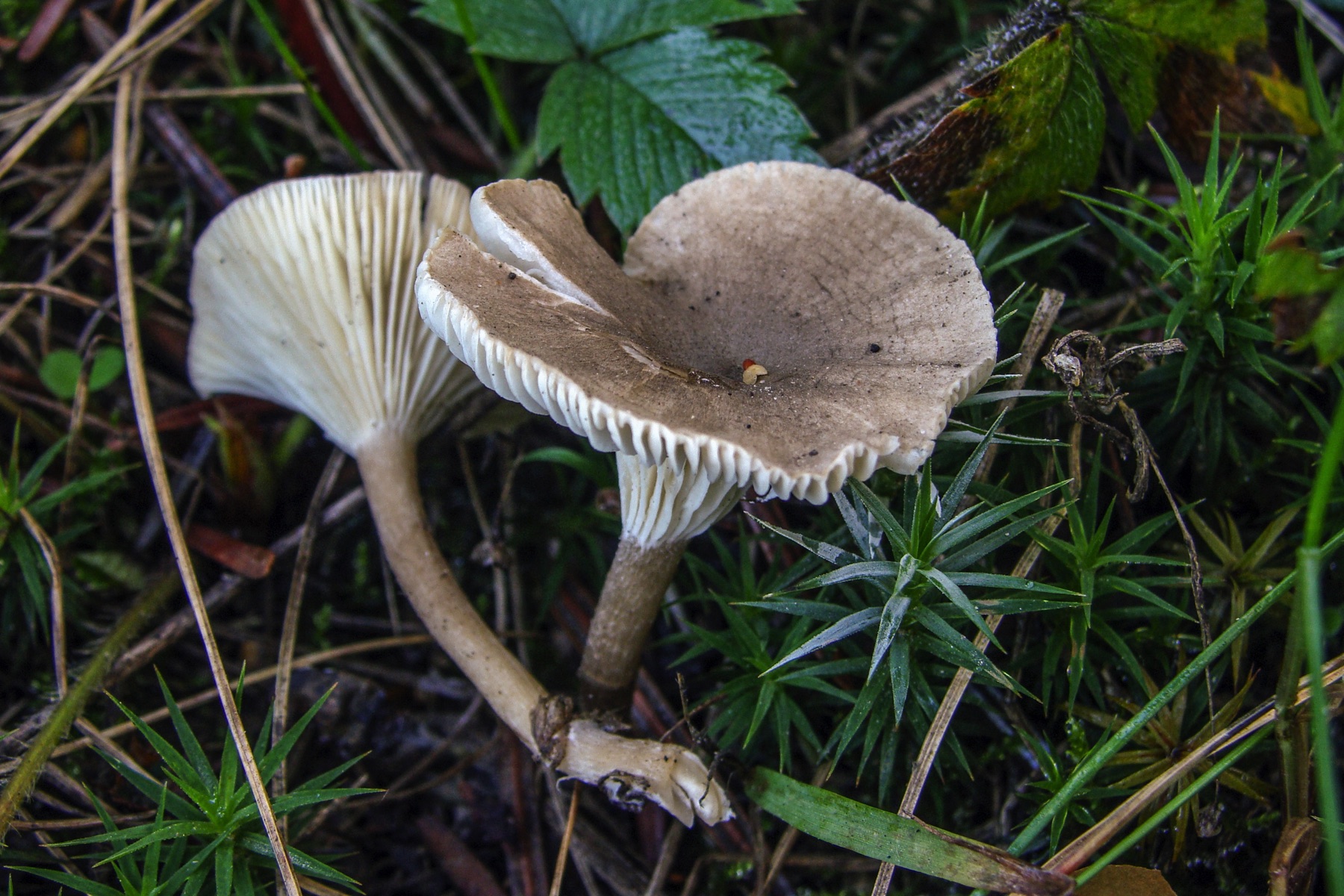
With the climate getting warmer and drier, the time window when you can actually experience real fungal abundance is getting narrower and narrower – both in terms of species diversity and sheer number of fruiting bodies. Last year, in the first days of November, we happened to hit exactly such a window in the southwestern part of the Zalai Hills, around Bázakerettye. That weekend turned out to be so exceptionally rich, including a fair share of rare finds, that we immediately decided to turn it into a personal tradition. So this year we headed back to the area again – just one week earlier.
Since this part of the country is relatively close for our Slovenian friends as well, we invited Eva Zupan and her husband. There was also a “first dance”: we had been in online contact with Renátó Molnár for a long time – a graduate of the Hungarian Mycological Society’s advanced course and one of the admins of the Gombahatározó Facebook group (not to mention an excellent graphic artist and fungal photographer) – but this was the first time we actually wandered the field together. We were very happy that he accepted our invitation. And of course, the picture would not have been complete without our friend Gábor Pintér.
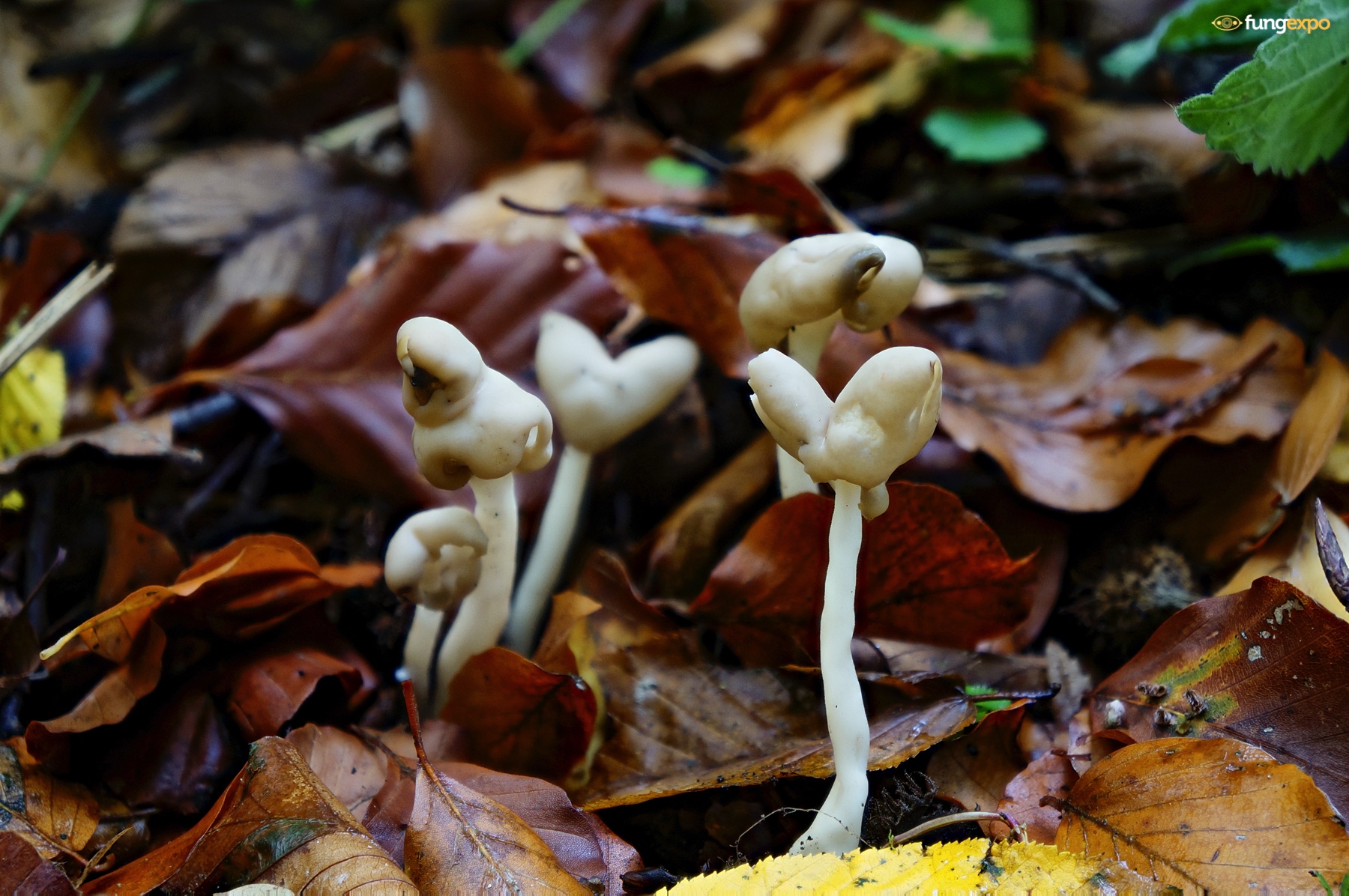
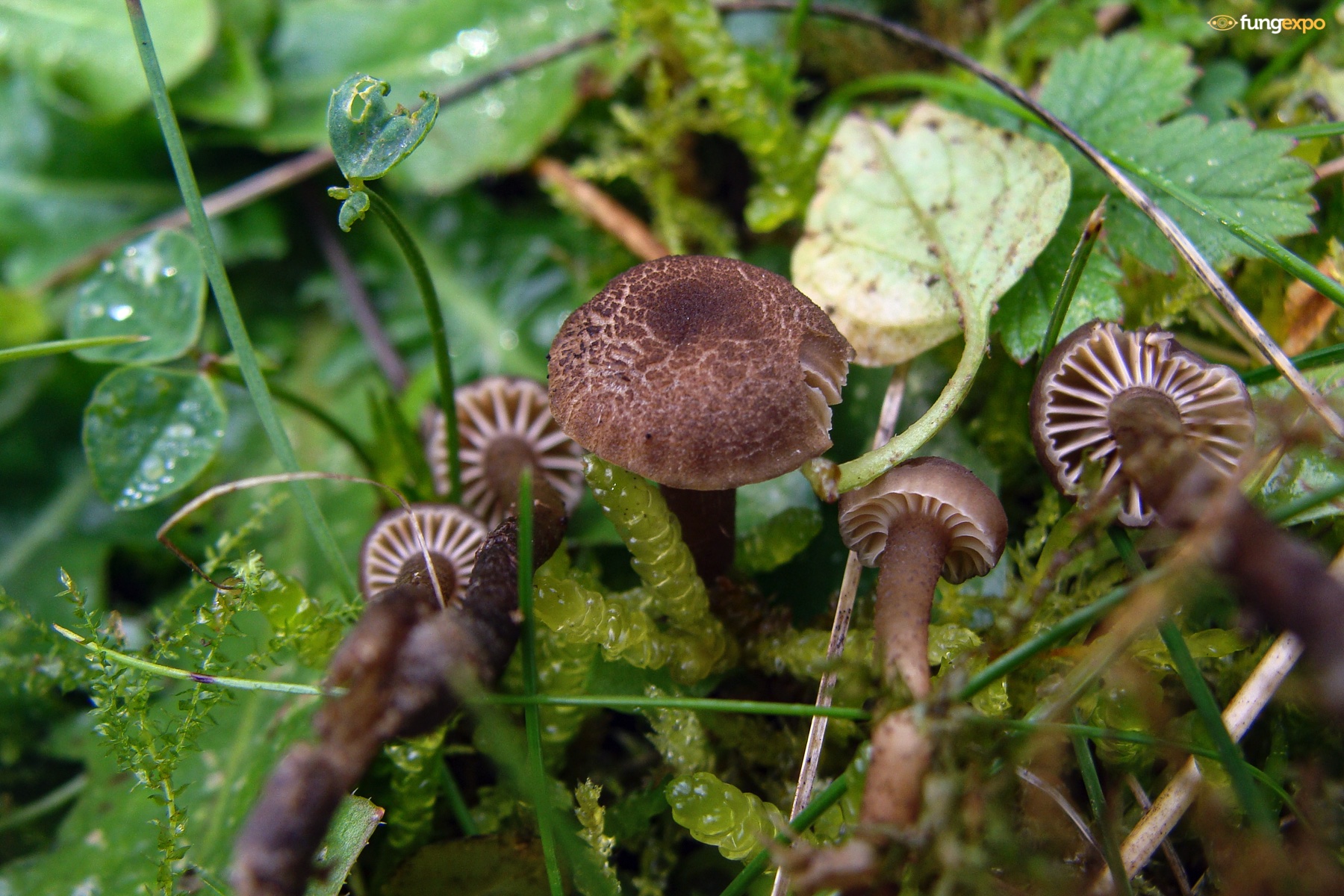
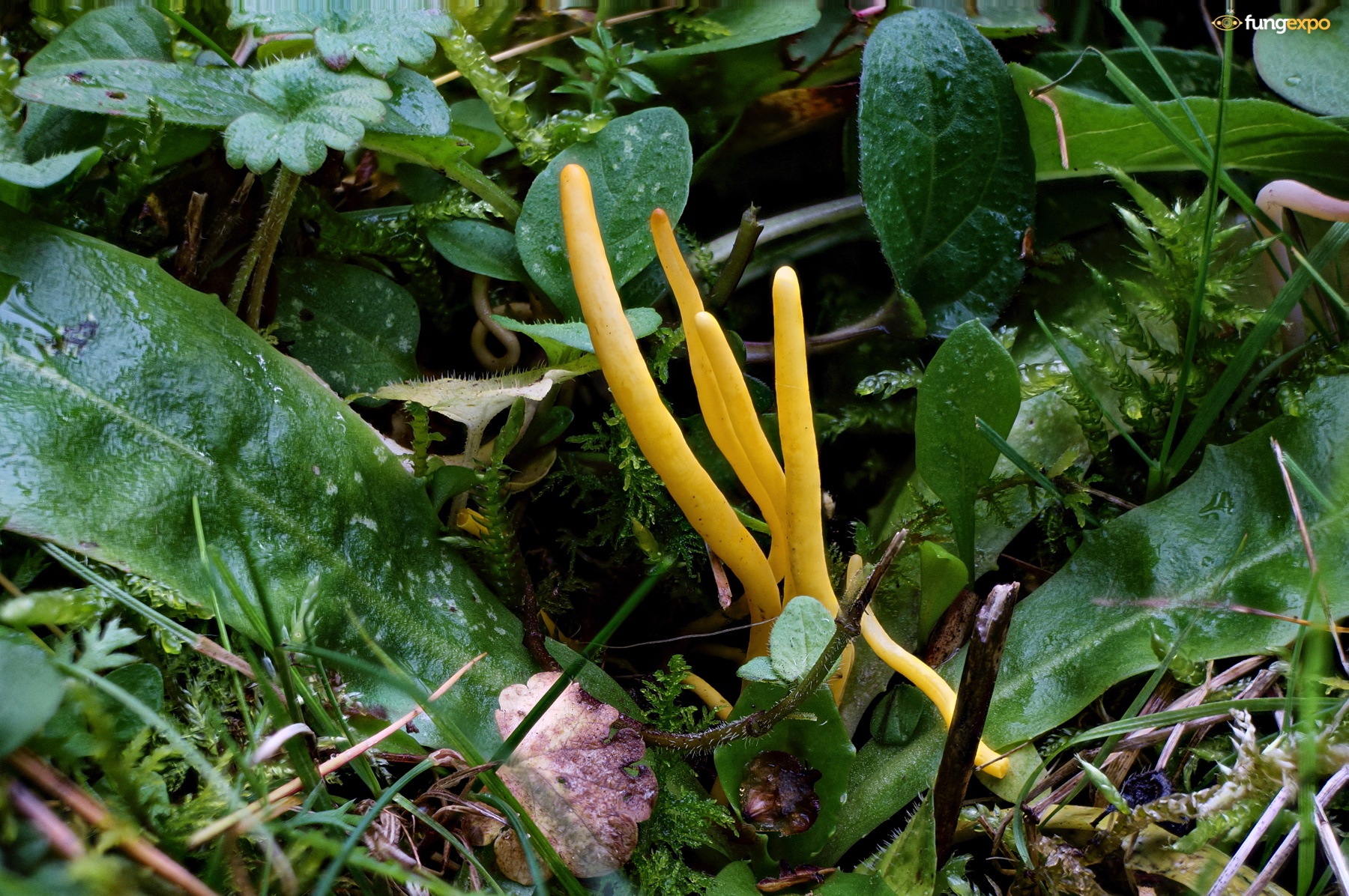
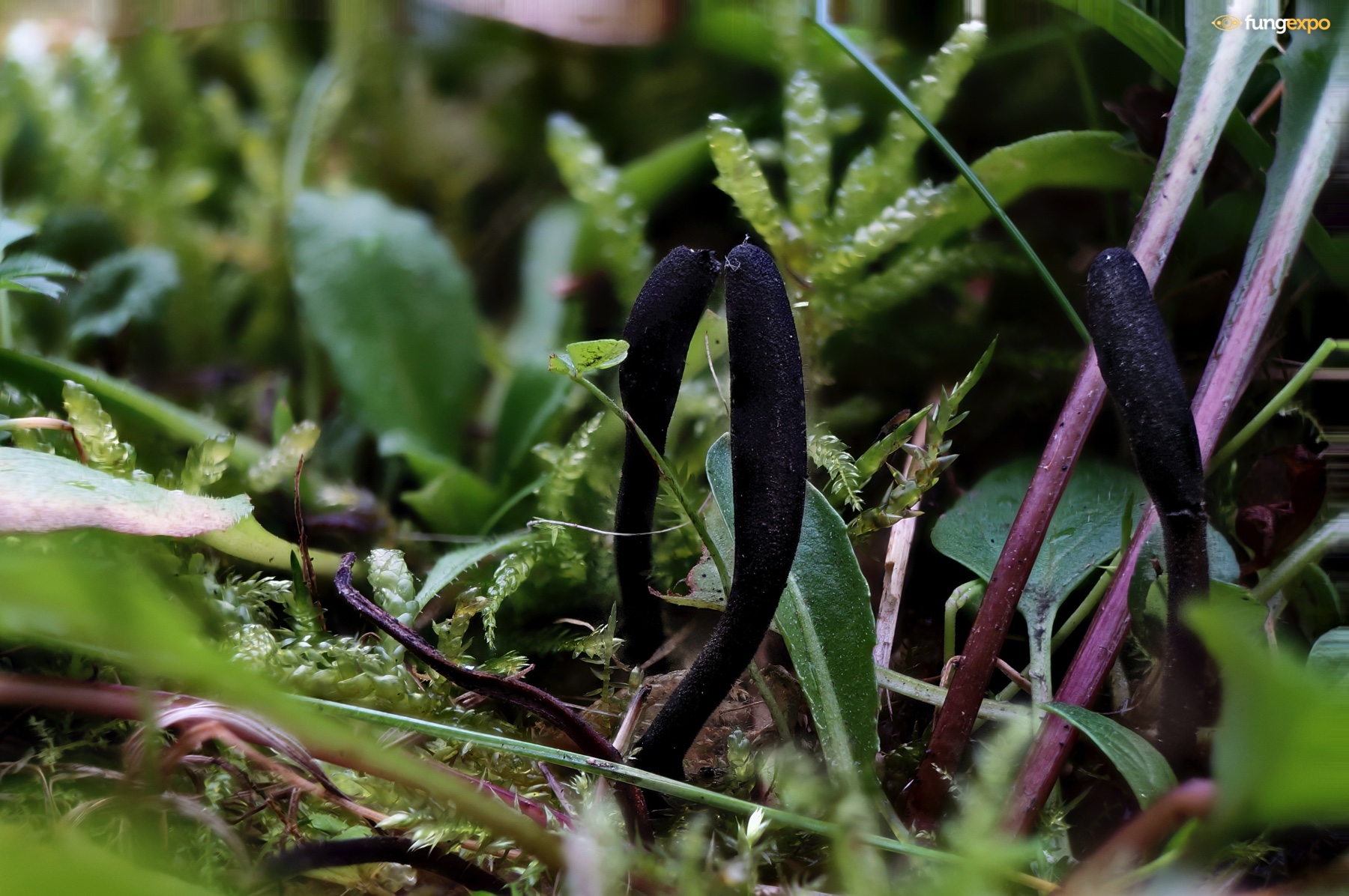
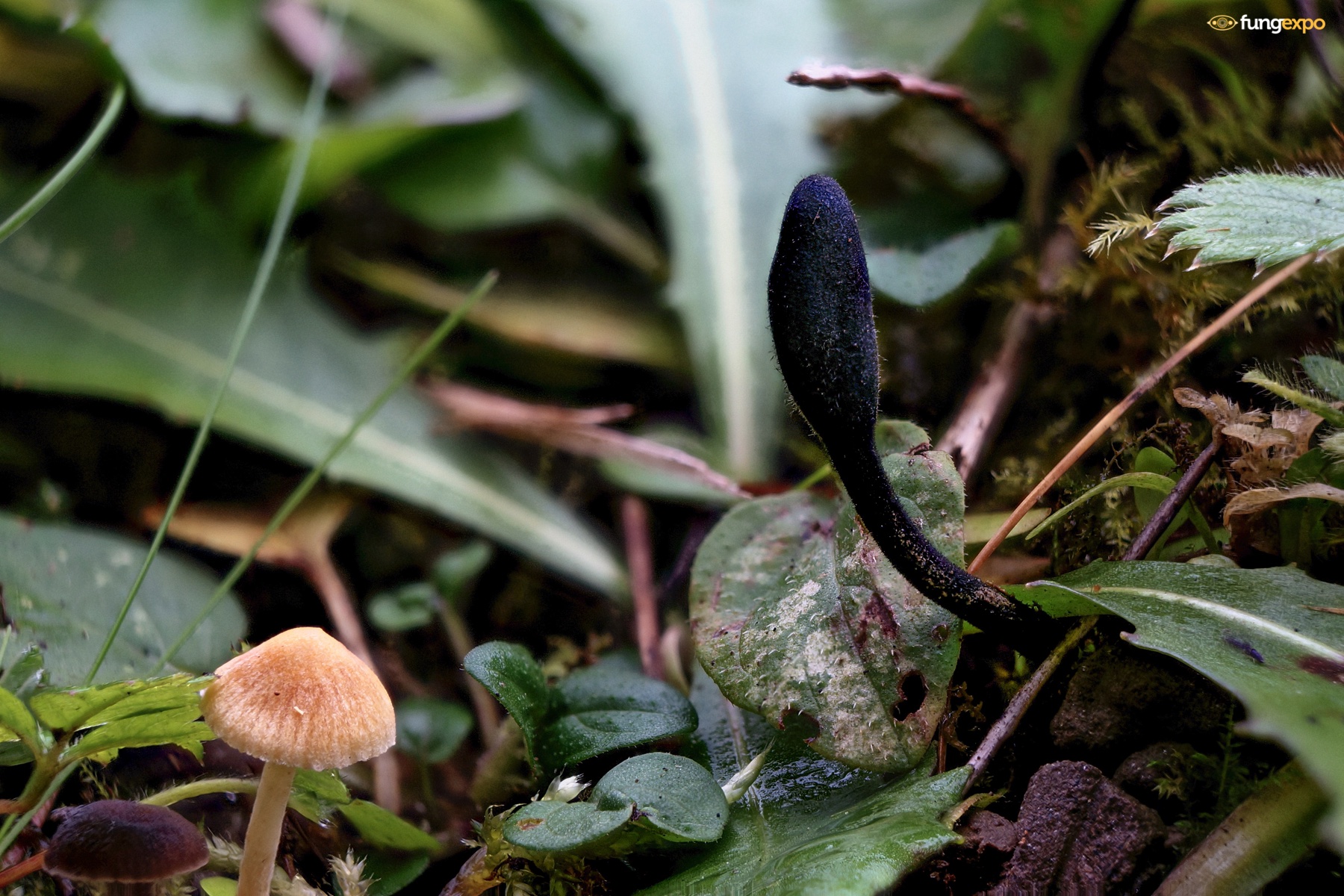
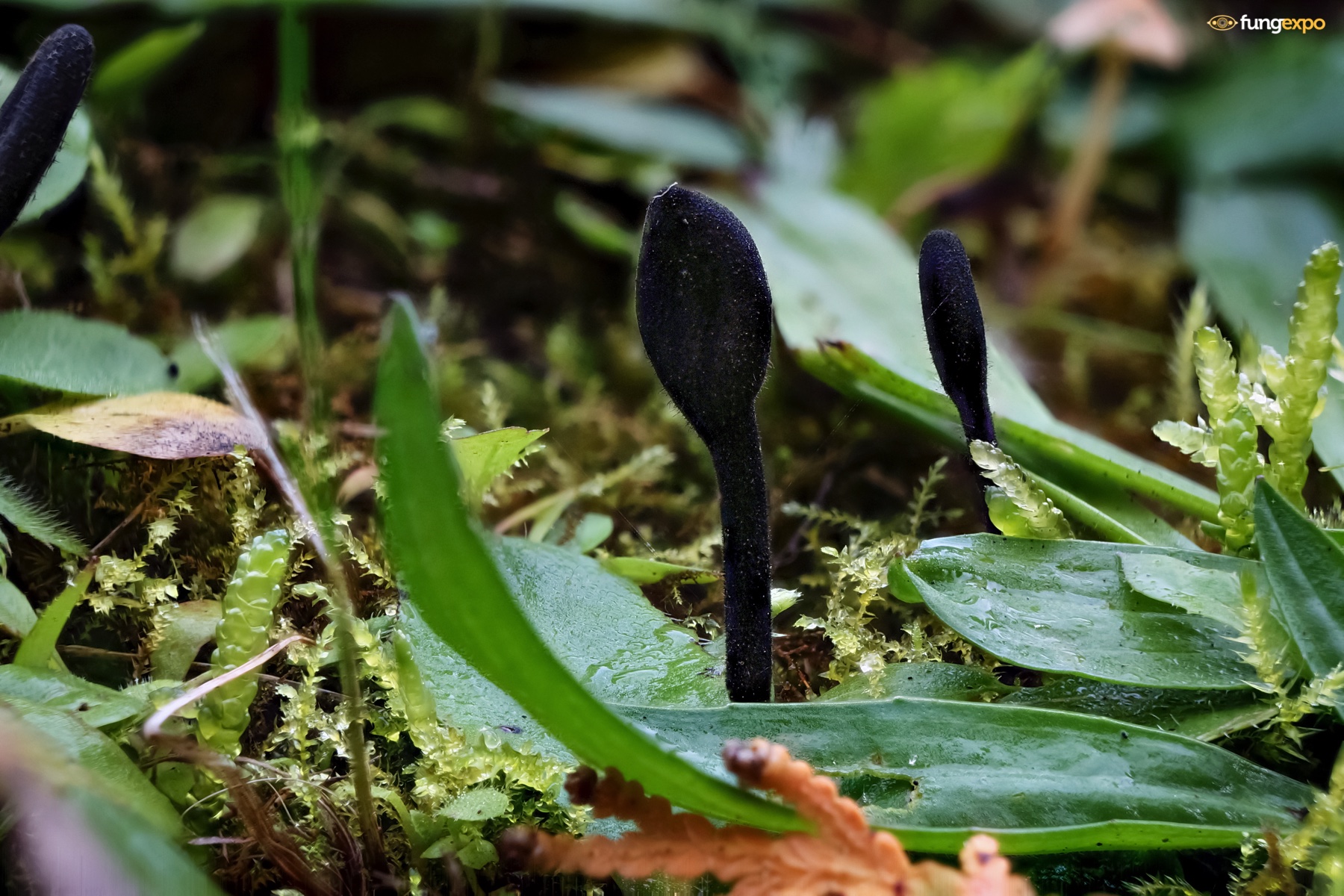
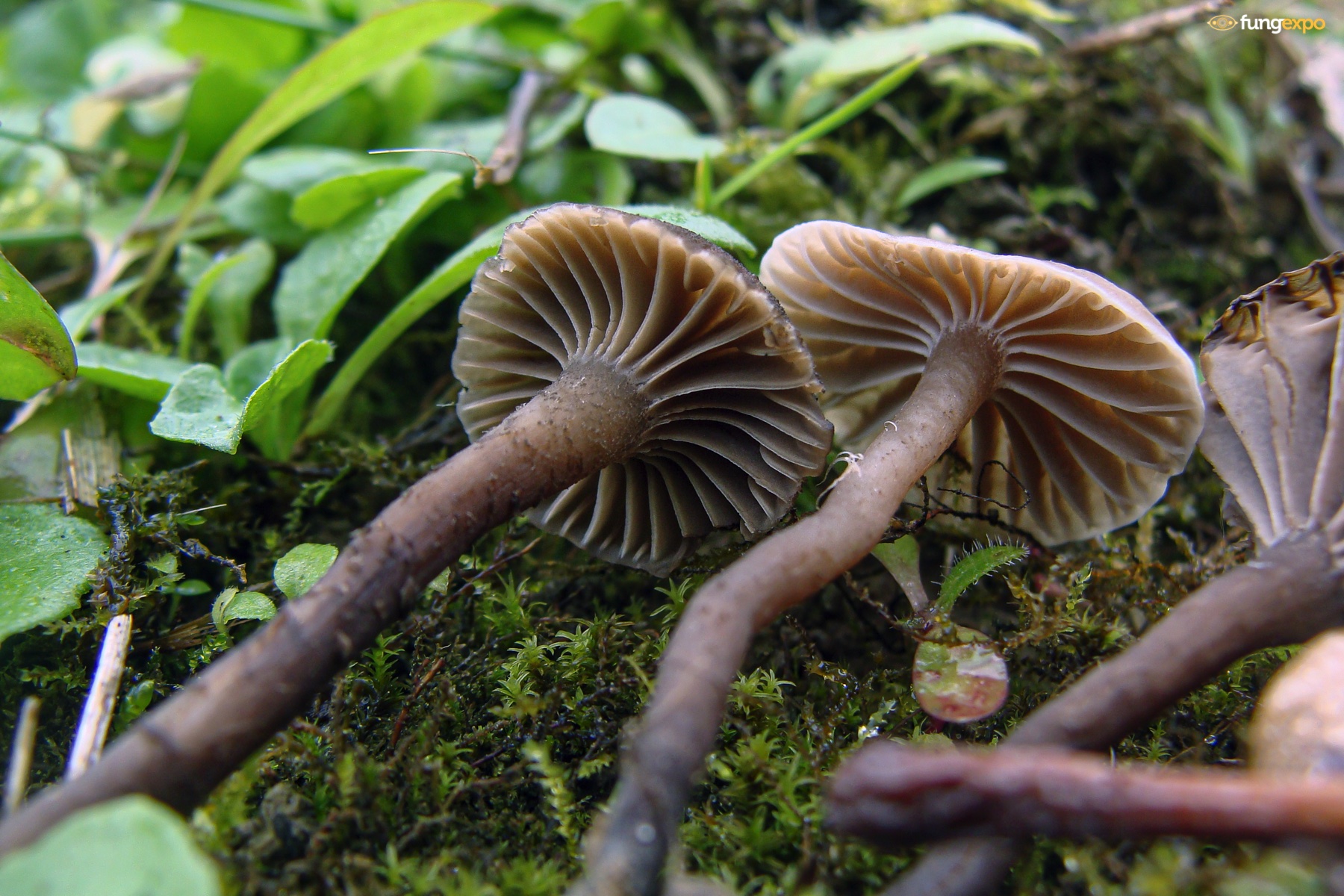
Although this year was unfortunately – in almost every respect – much less productive than 2024, the area still revealed something of that colorful diversity we had stumbled into last year. Within the first few minutes of the joint walk, Renátó already spotted a beautiful member of the Geoglossaceae, Trichoglossum hirsutum, in a fresh, mossy, grassy patch. For us, this was only the second time we had ever seen a species of earth tongues, and our first record in Hungary. Right next to the Trichoglossum, we found some peculiar omphalinoid/hygrocyboid fruiting bodies with an absolutely brutal naphthalene-like smell. Both the appearance and the odor immediately pointed us toward what was formerly known as Camarophyllopsis, currently Hodophilus foetens. We had never seen this fungus anywhere before (a genetic analysis of the collected material is planned).
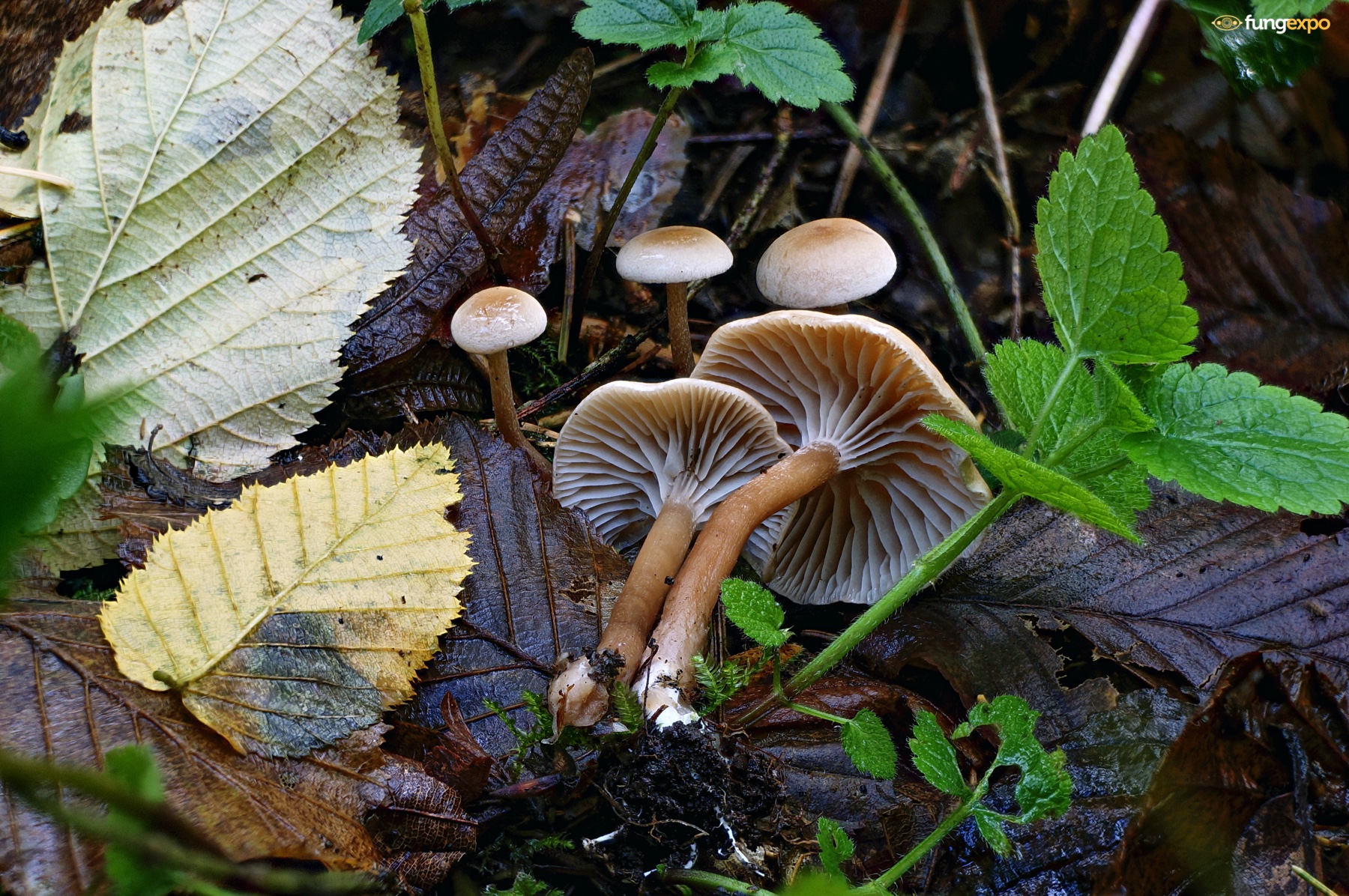
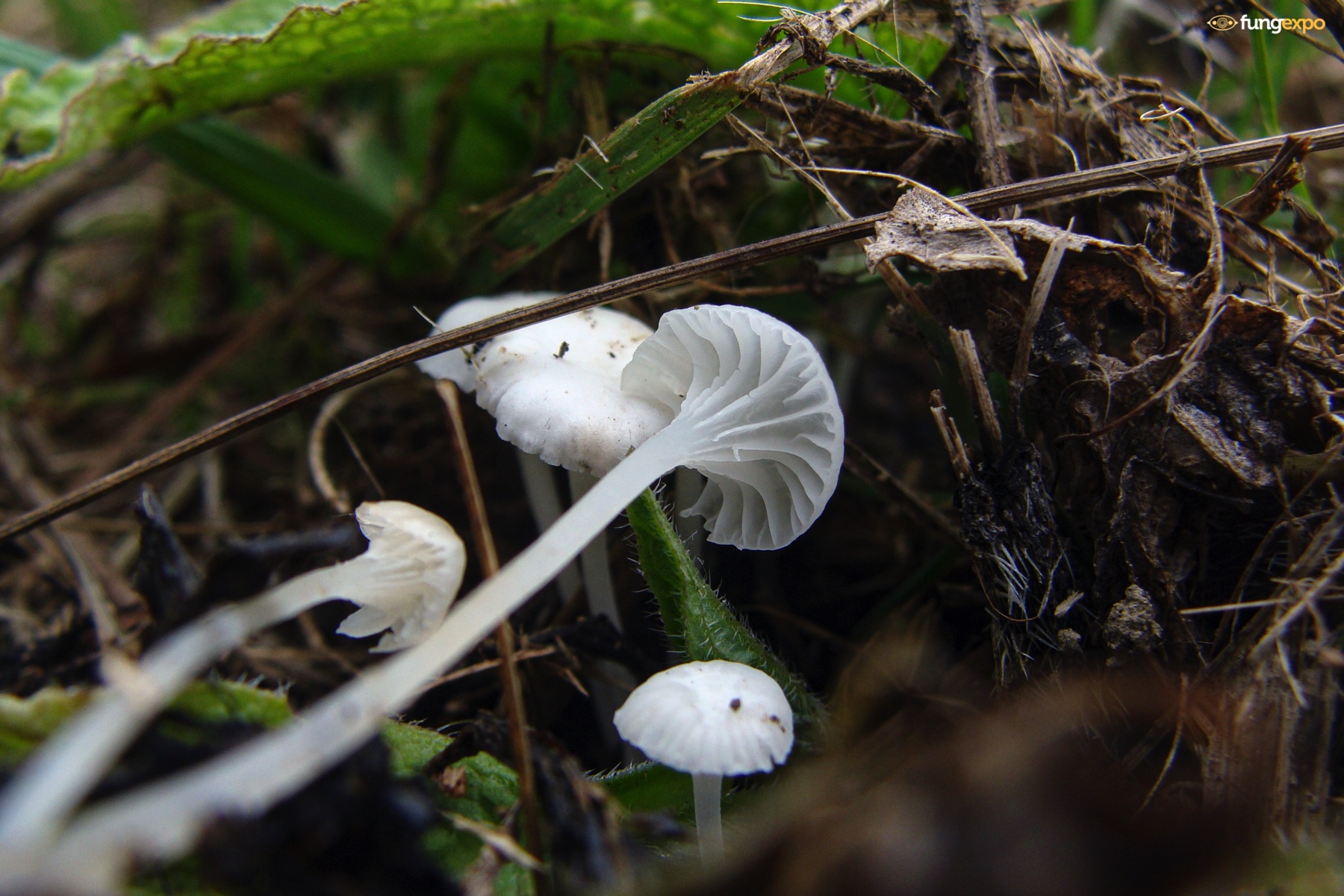
At the very same site, we also managed to rediscover Hemimycena candida, the symbiotic partner of Symphytum officinale. Here it was fruiting in remarkable abundance; hundreds of tiny white fruiting bodies could be seen.
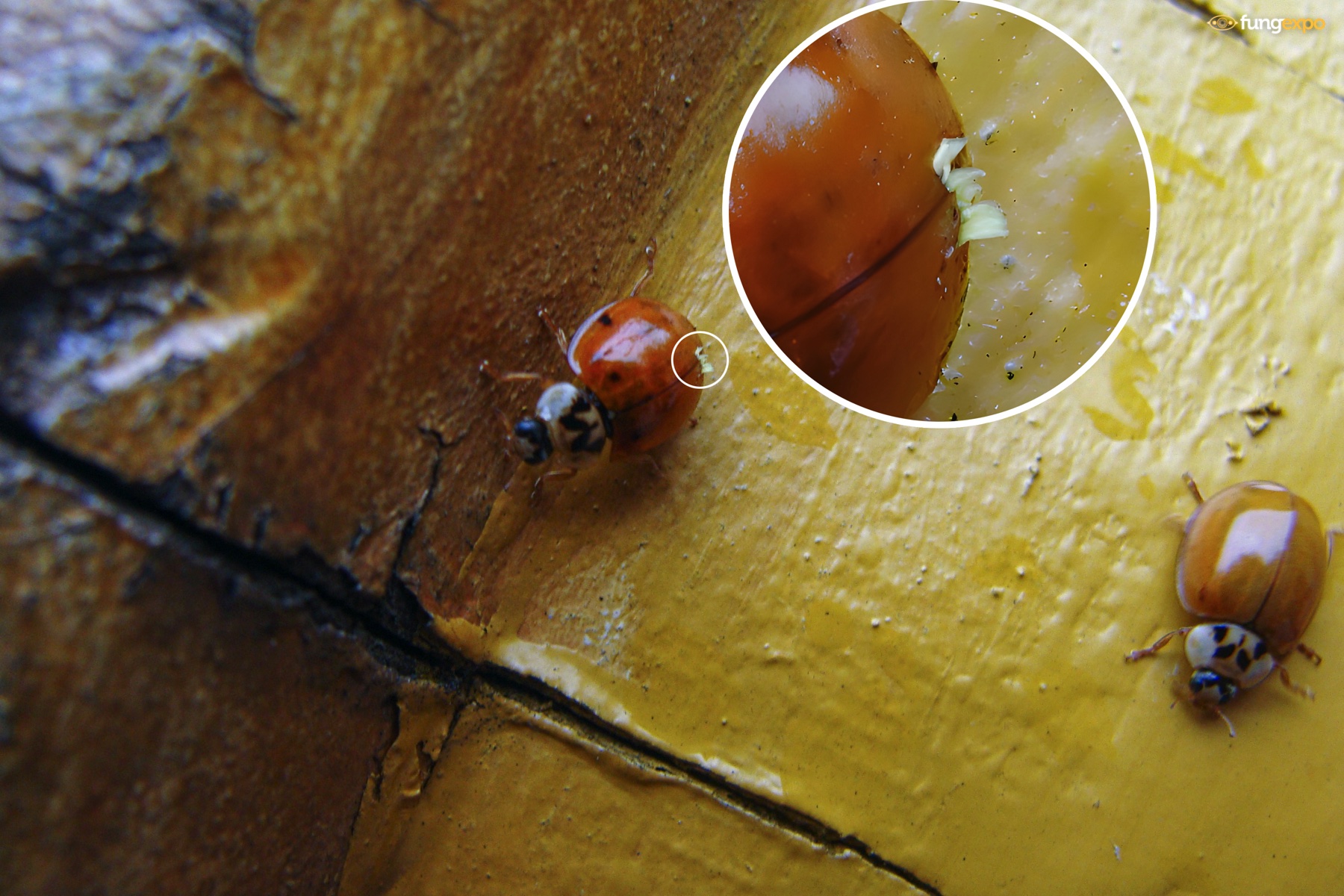
Just a few meters away, near a picnic table, ladybirds were swarming. With high hopes, we checked them to see whether Hesperomyces might be present – and, to our surprise, many of the insects were indeed infected, carrying the fungal thalli on their chitinous exoskeletons. Unfortunately, I was unable to take a really good photo: the ladybirds were moving fast, so we had to settle for this slightly blurred image.
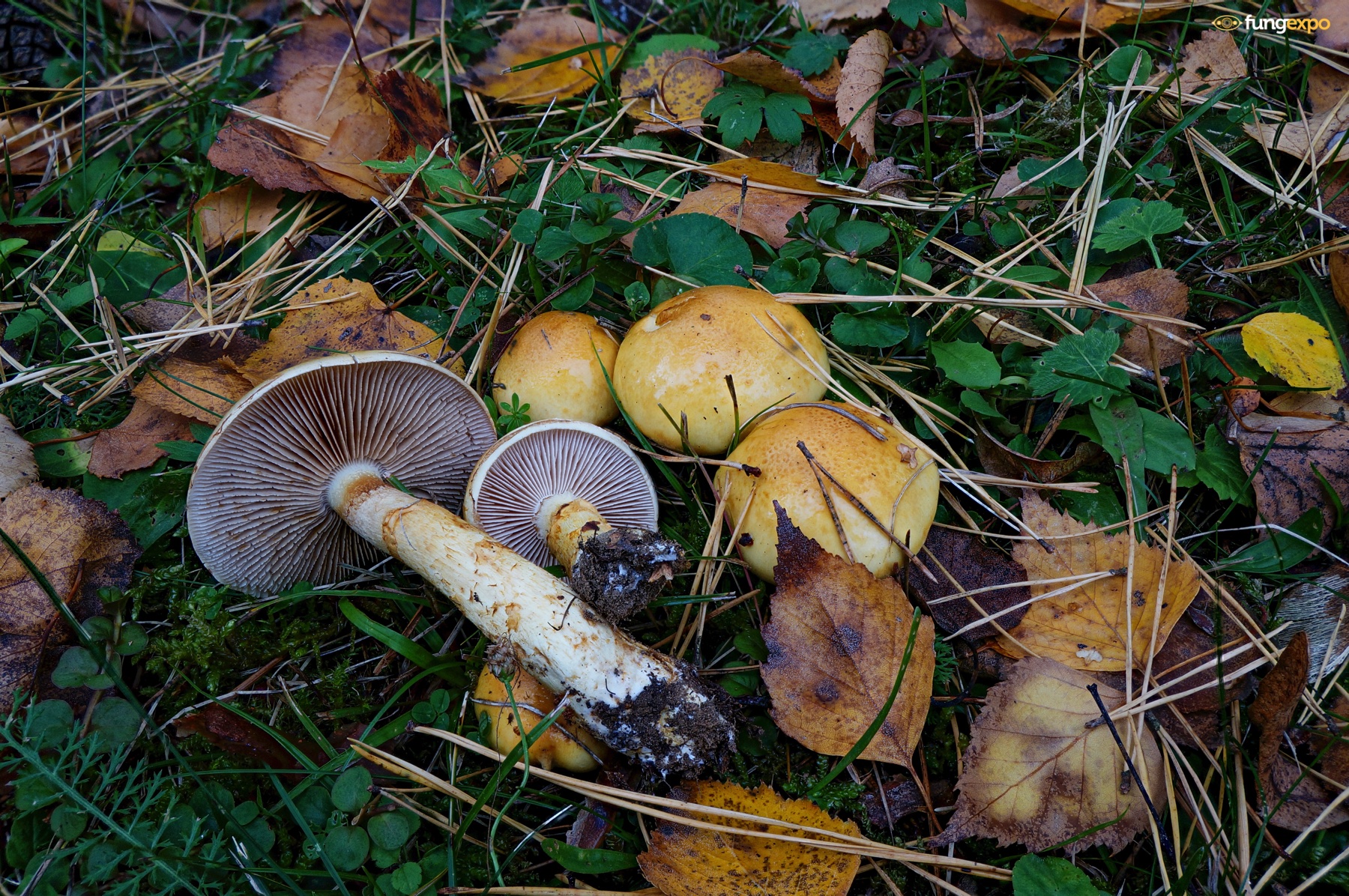
There were relatively many Cortinarius species around. One of the most impressive groups was Cortinarius triumphans, fruiting in a fairy ring beneath birch trees in a park-like area.
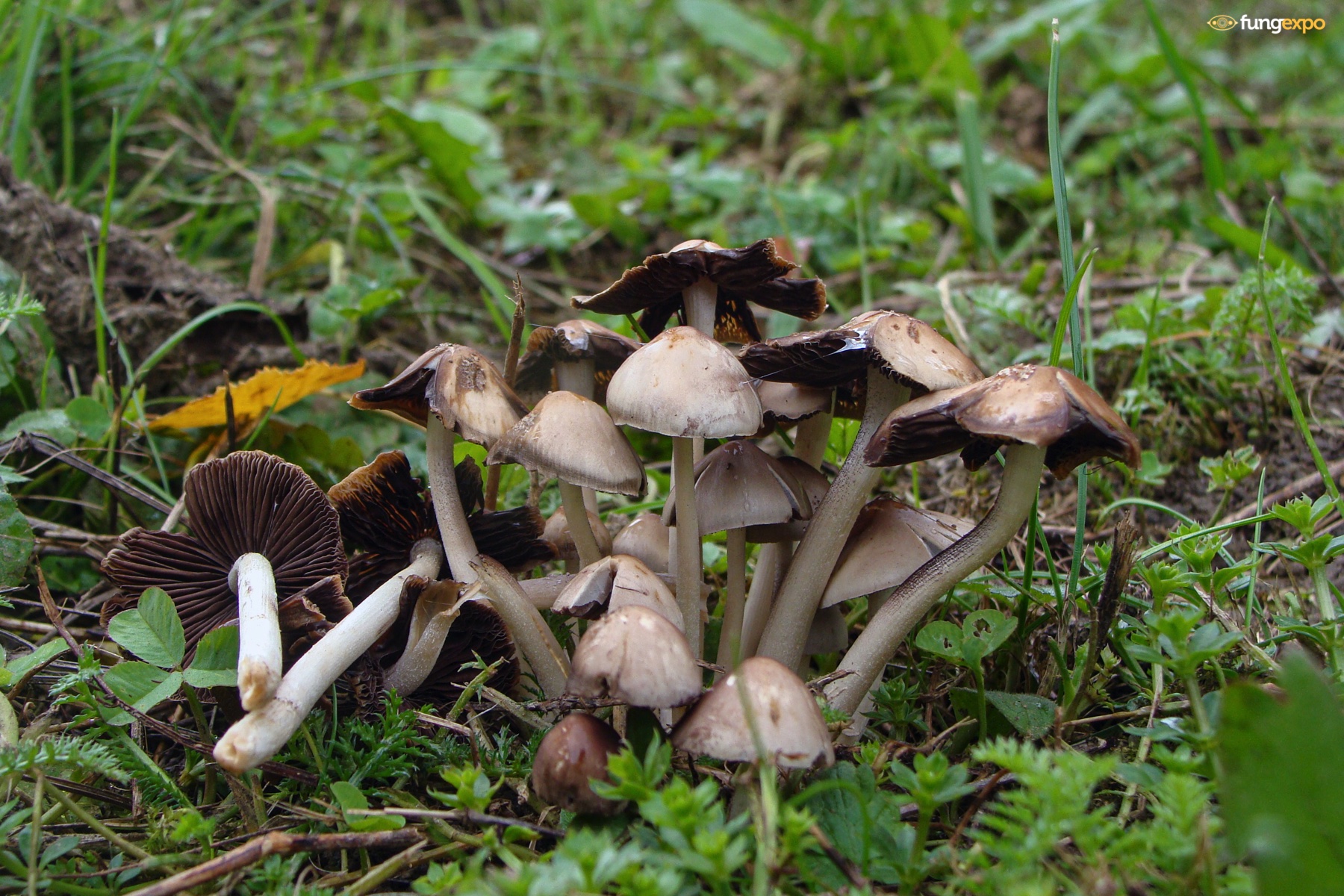
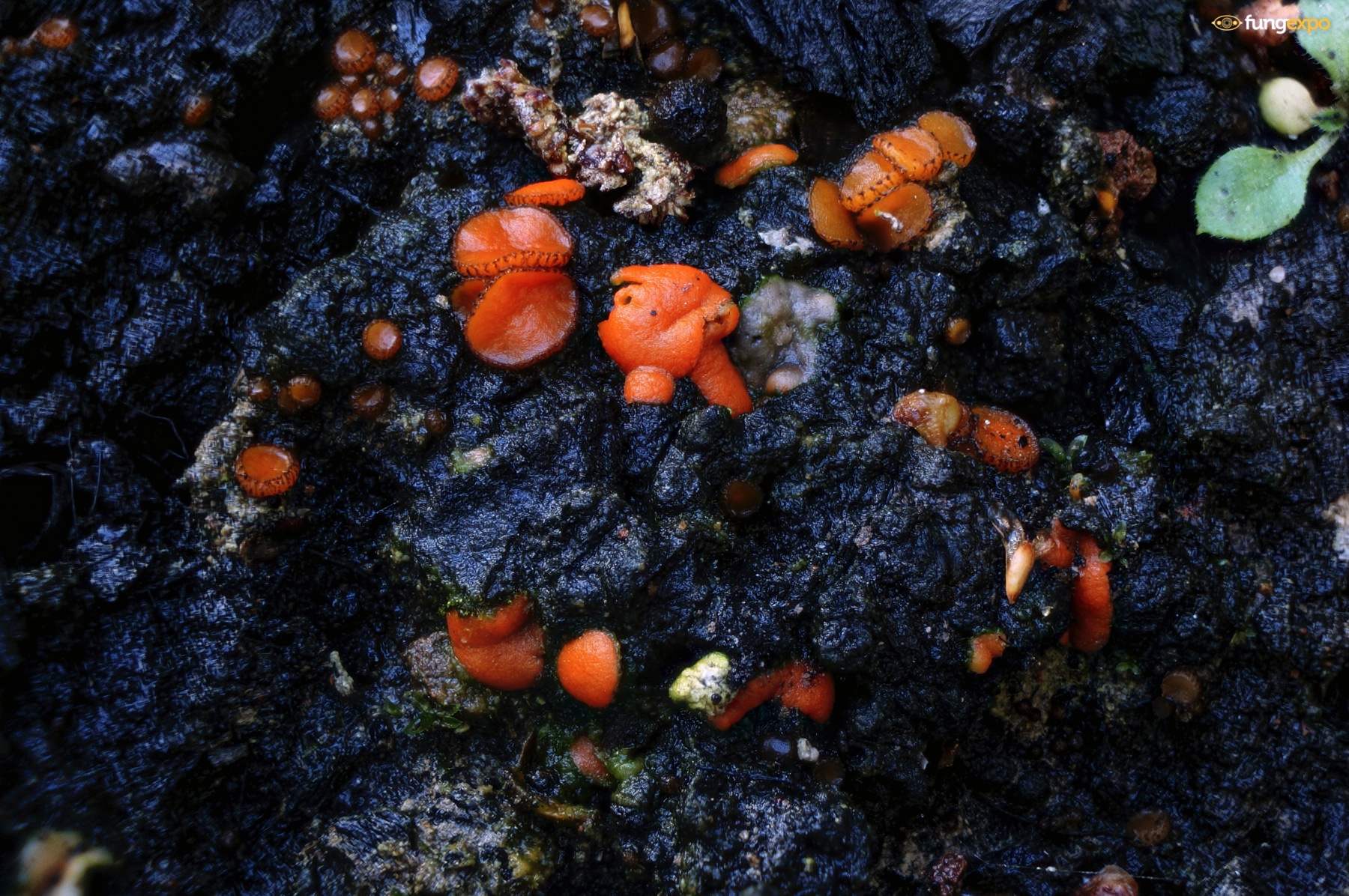
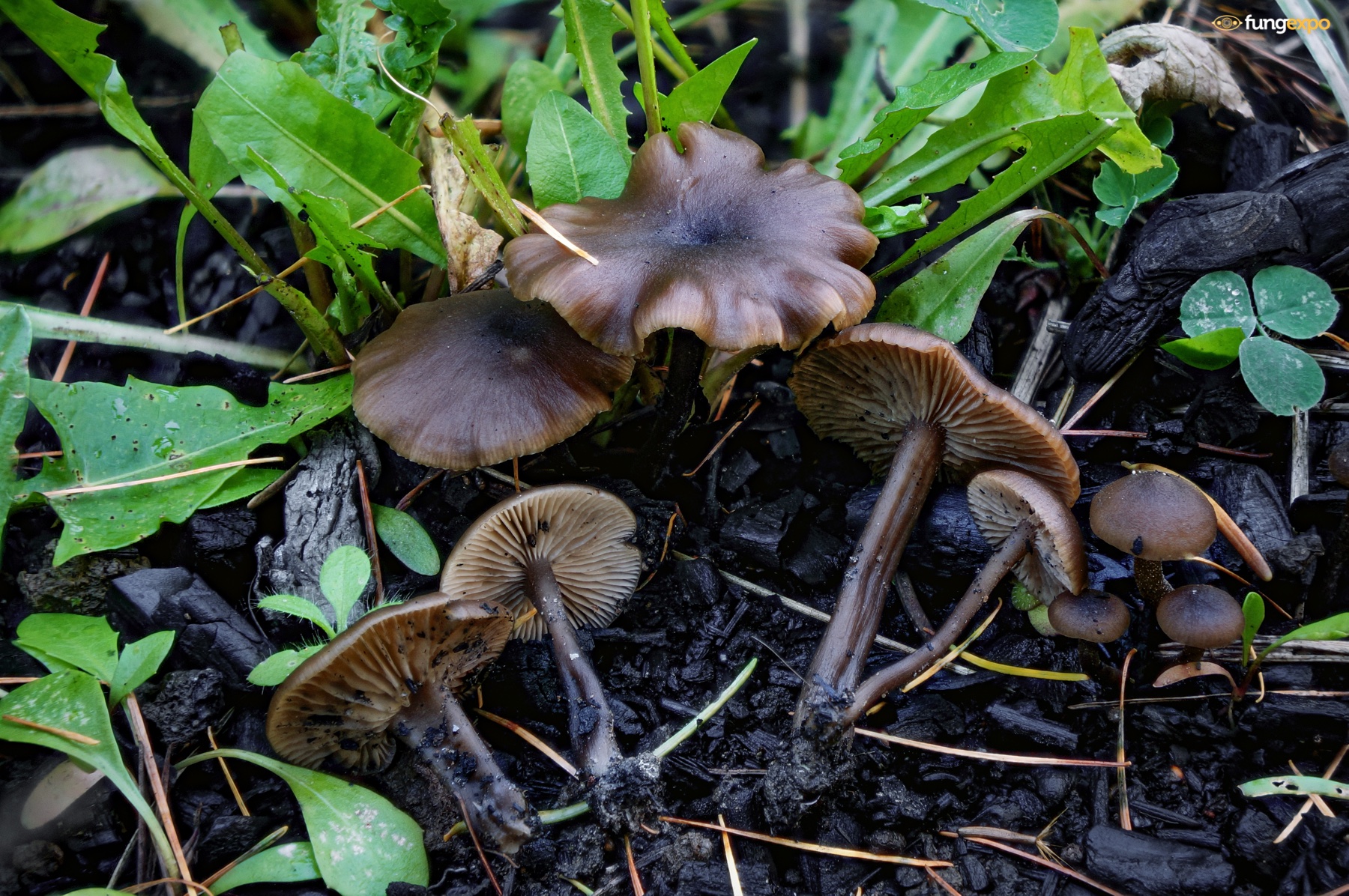
We usually check fire-affected sites within the “all-park” inner area of the settlement; these yielded excellent species last year as well, and they produced something new again this time. For example, Coltricia cinnamomea, and an Anthracobia species was also present. The obligatory mistake of the trip came from the group of fruiting bodies shown in the photo. Since last year we had collected Lyophyllum anthracophilum very close to this habitat (confirmed by microscopy), this year I immediately called it Lyophyllum without hesitation and didn’t even take a sample. Only later, after consulting with Laci Vajda, did it occur to me that this could just as well have been Fayodia anthracobia – but by then, confirmation was no longer possible.
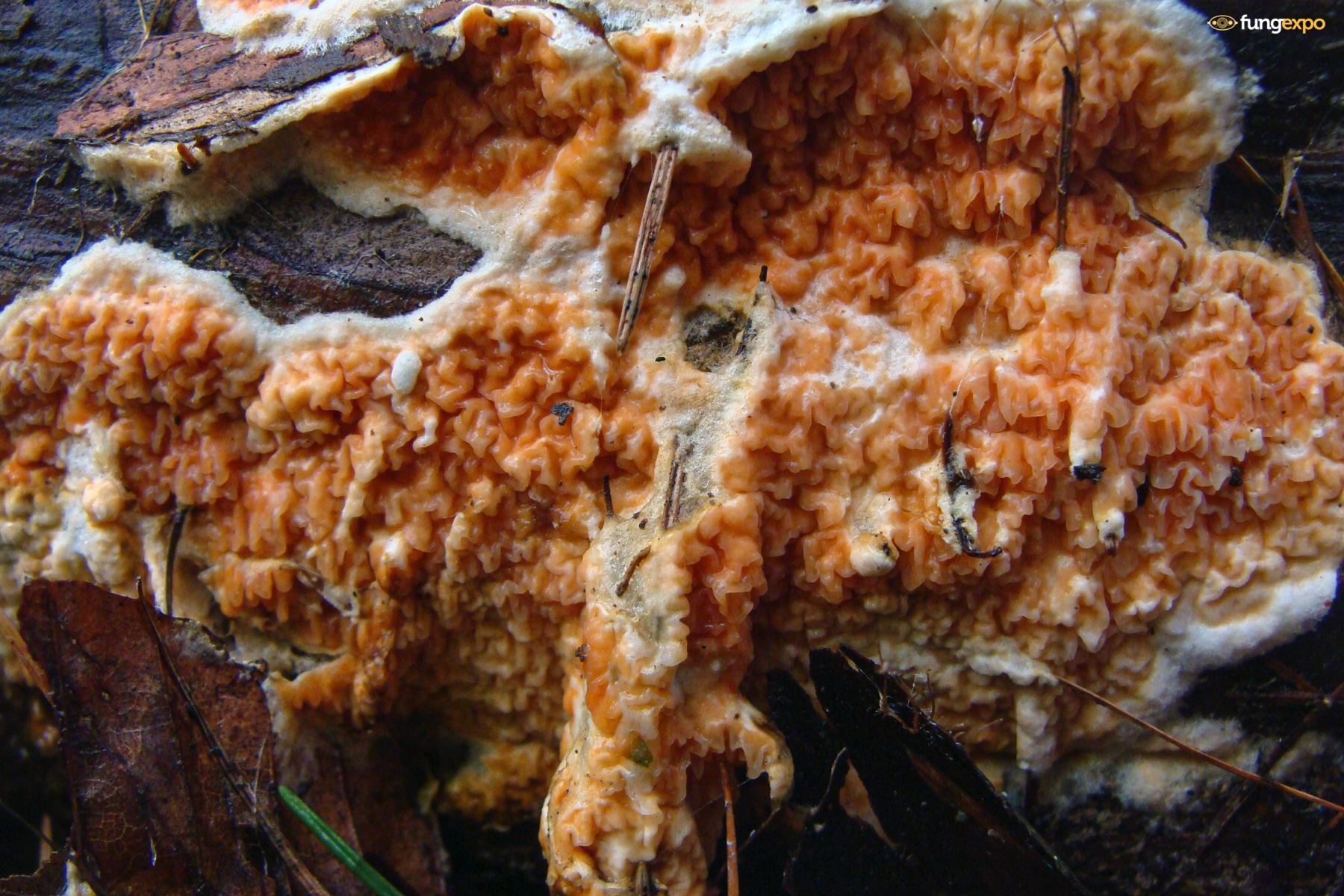
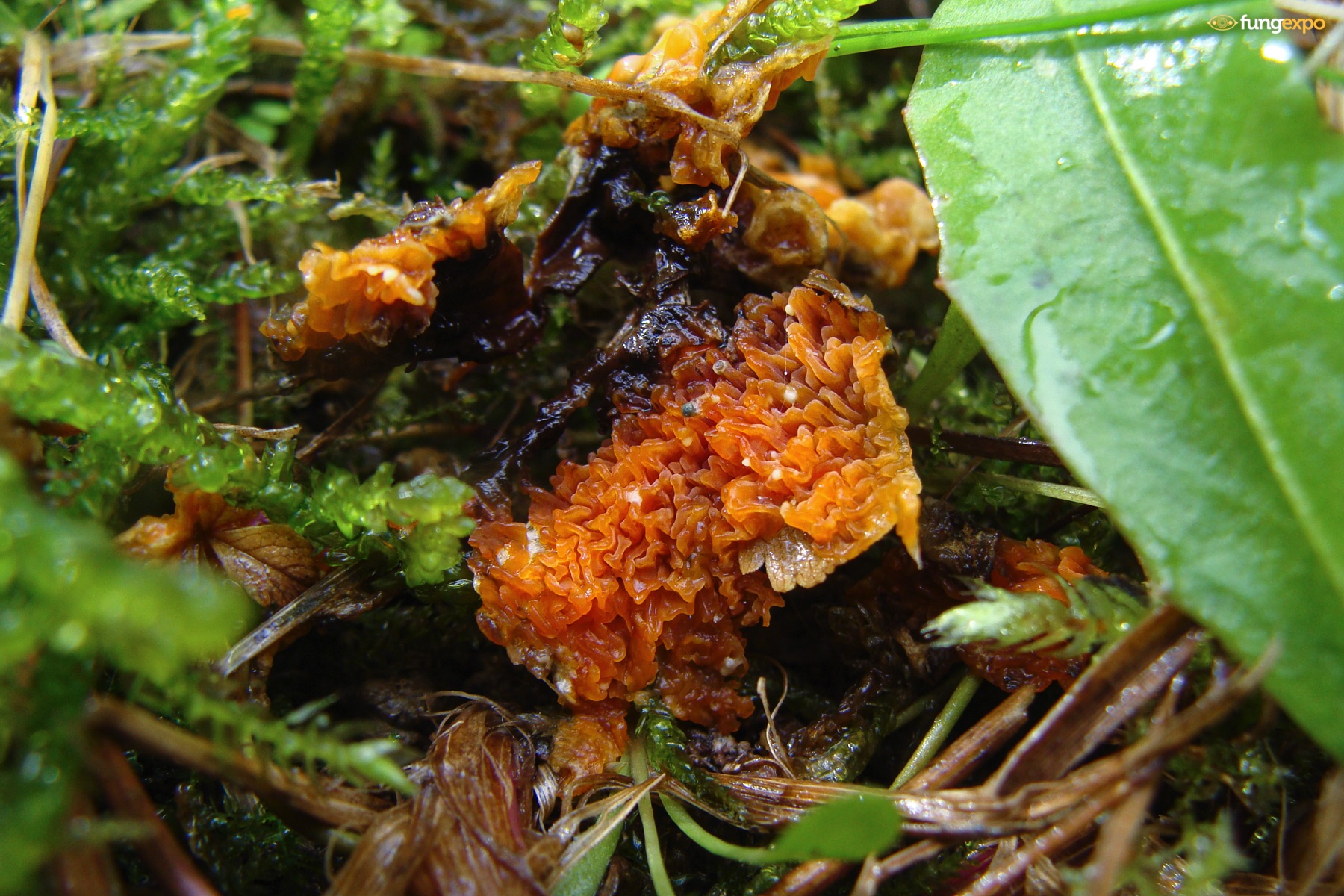
Leucogyrophana mollusca was present on almost every fallen larch trunk in the settlement’s larch-mixed forest patches. However, we also noticed another Leucogyrophana colony that, interestingly, was growing over mosses and producing fruiting bodies directly on the plants. We collected a sample; it looked very intriguing, regardless of which species it eventually turns out to be.
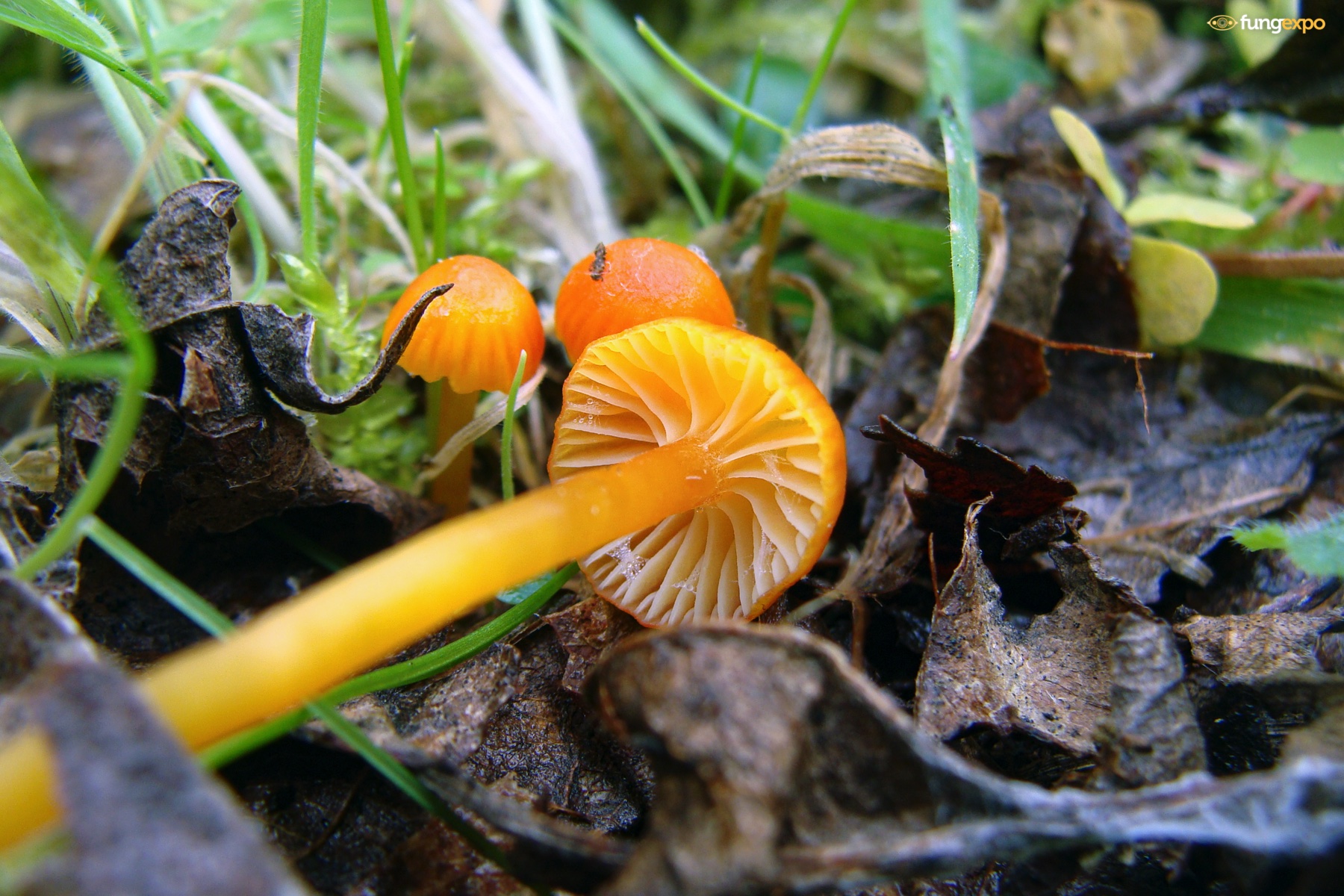
The list could go on for quite a while… We saw many waxcaps, some interesting ascomycetes (for example, Leotia Lubrica had not previously been recorded from this area by us), and the characteristic inhabitant of owl pellets, Onygena corvina, also turned up again. Considering how poor this year was overall, this was more than we could have reasonably expected. I think we have no reason not to continue the tradition we started last year. :)
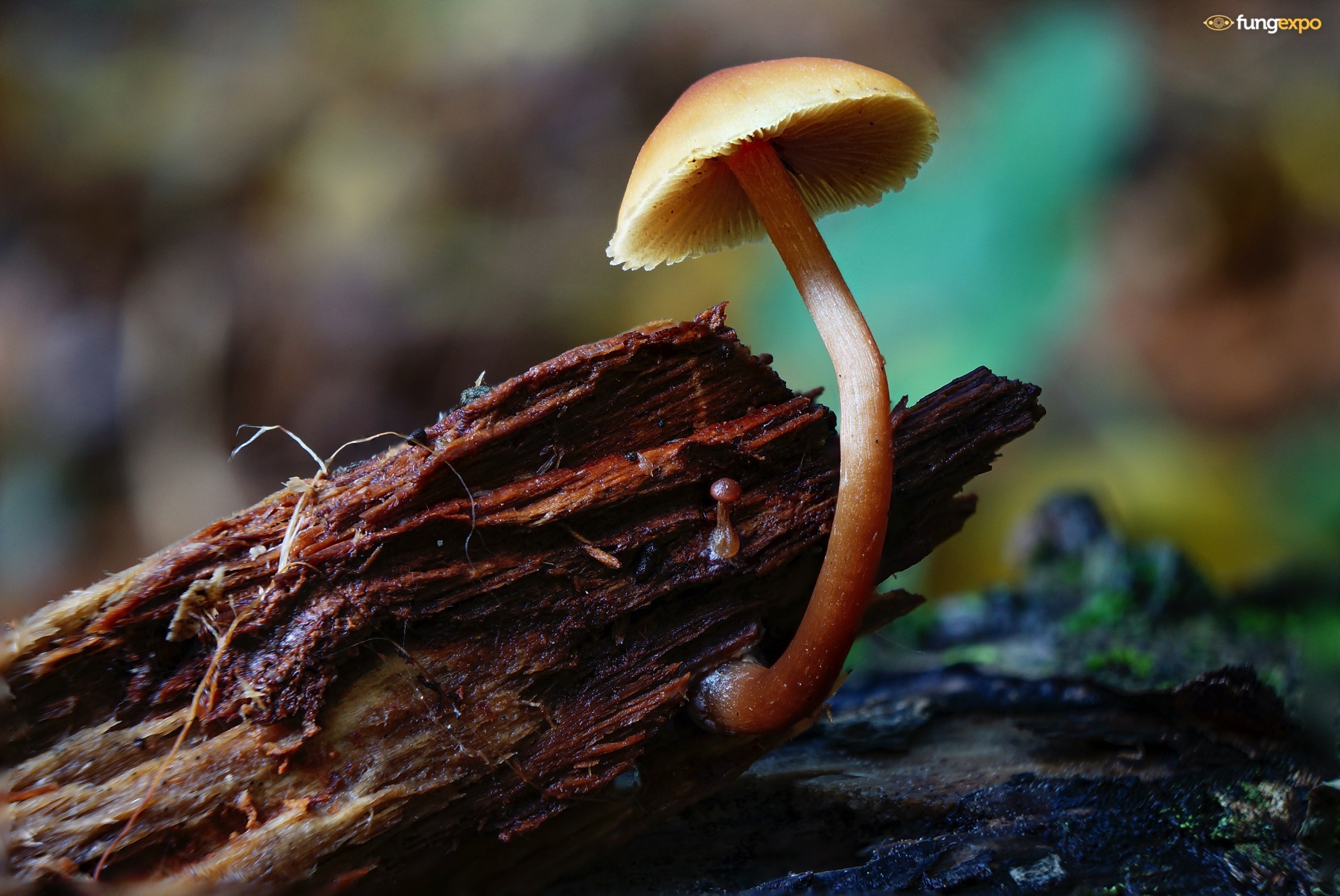
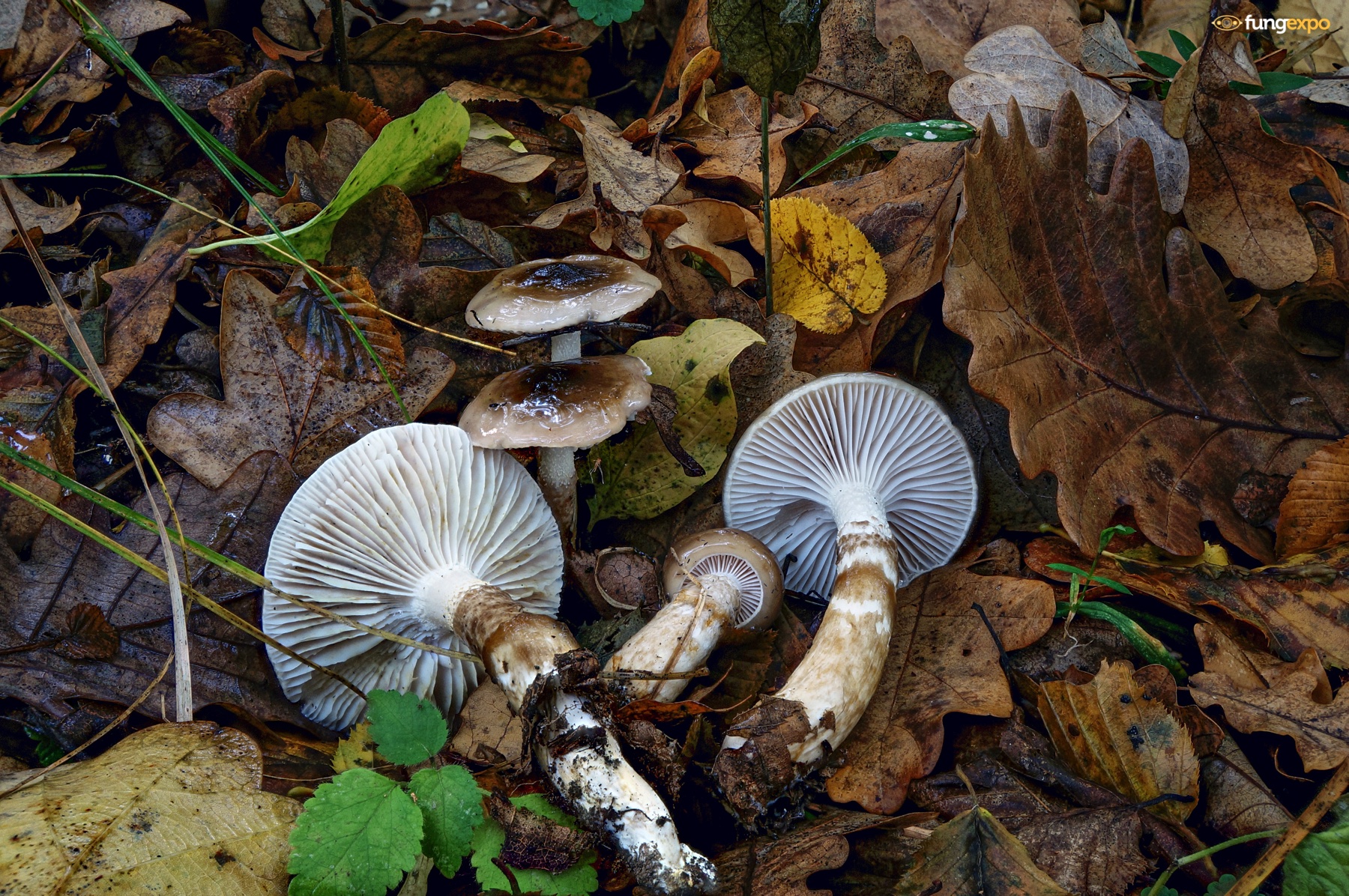
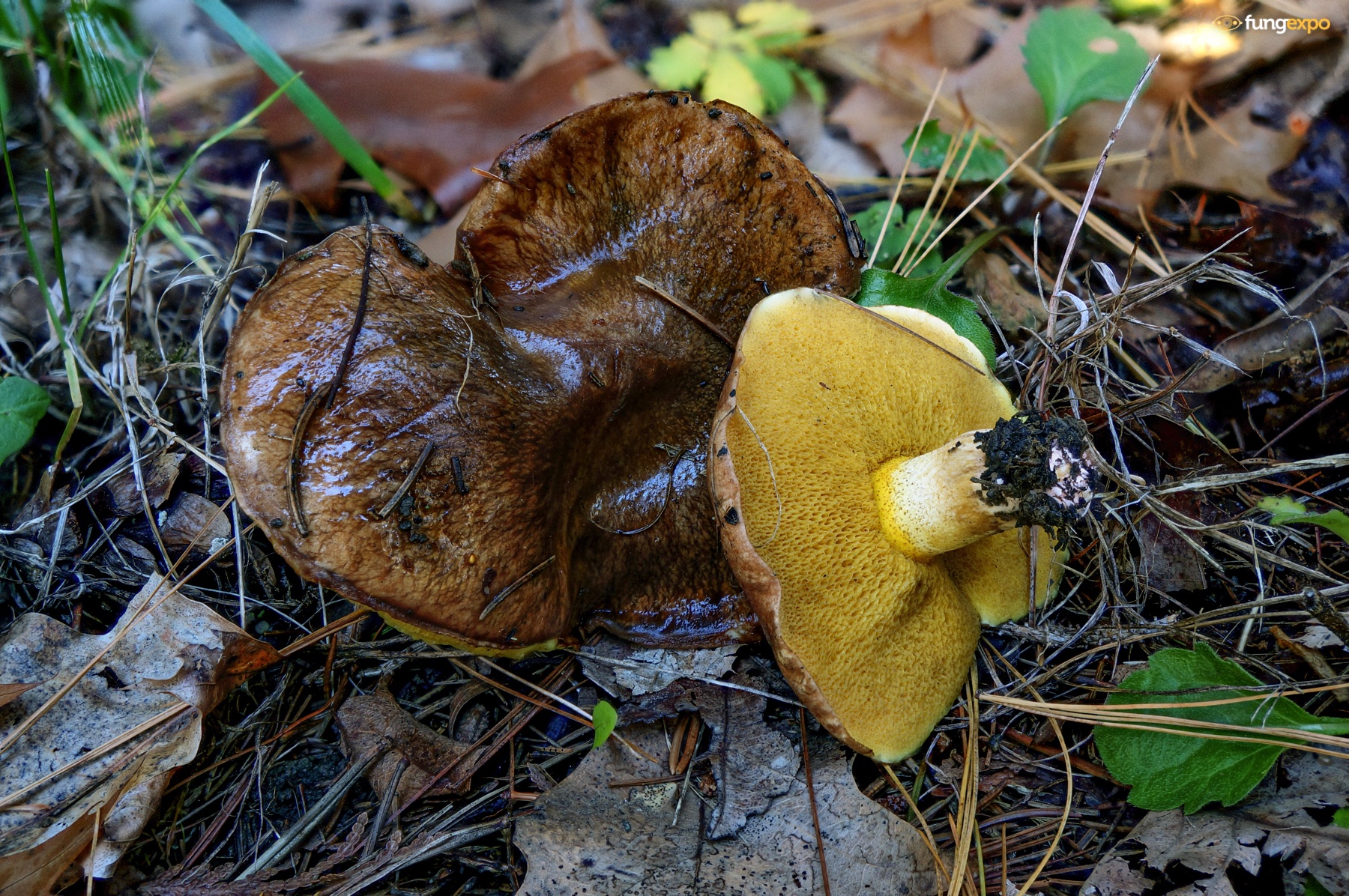
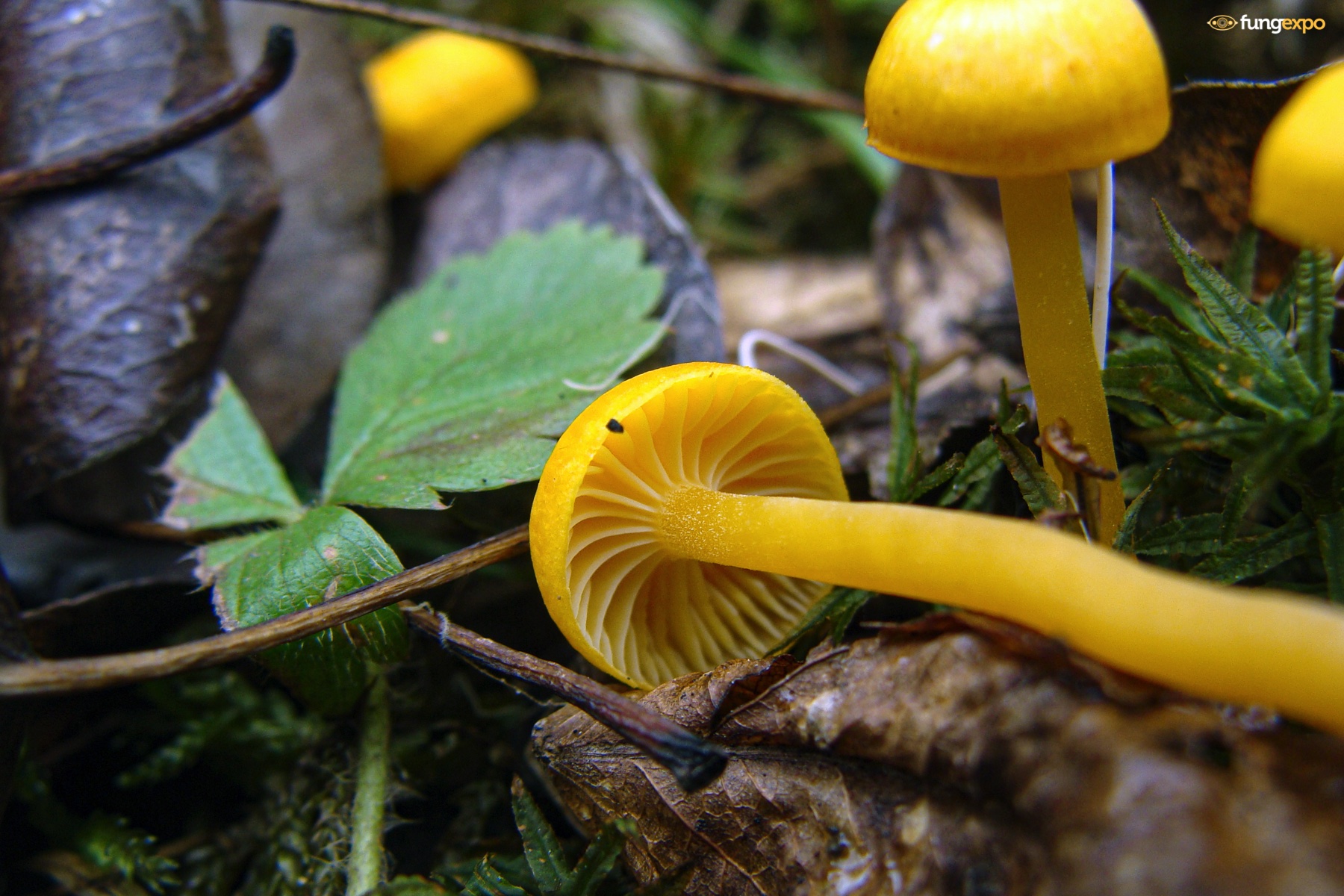
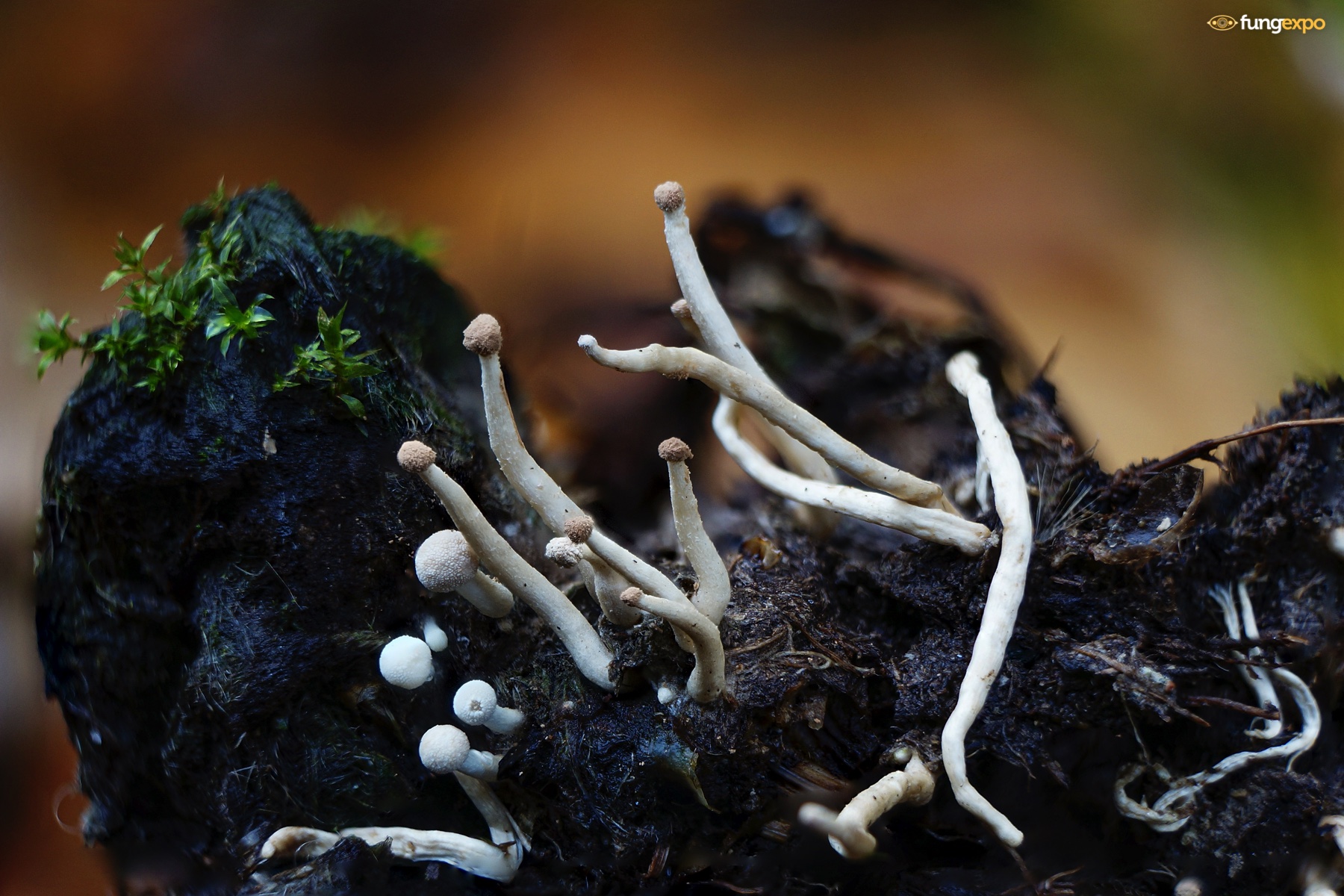
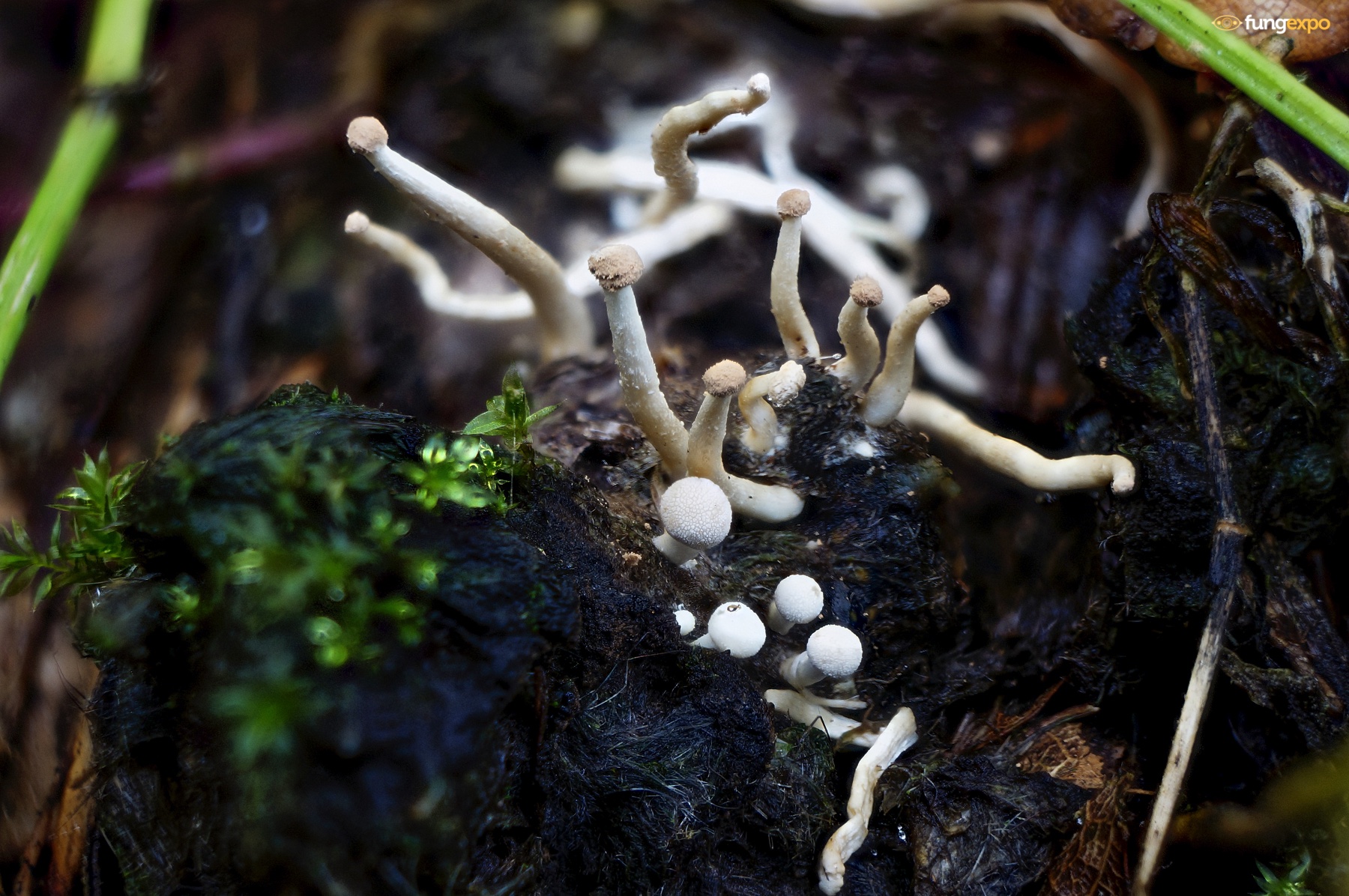
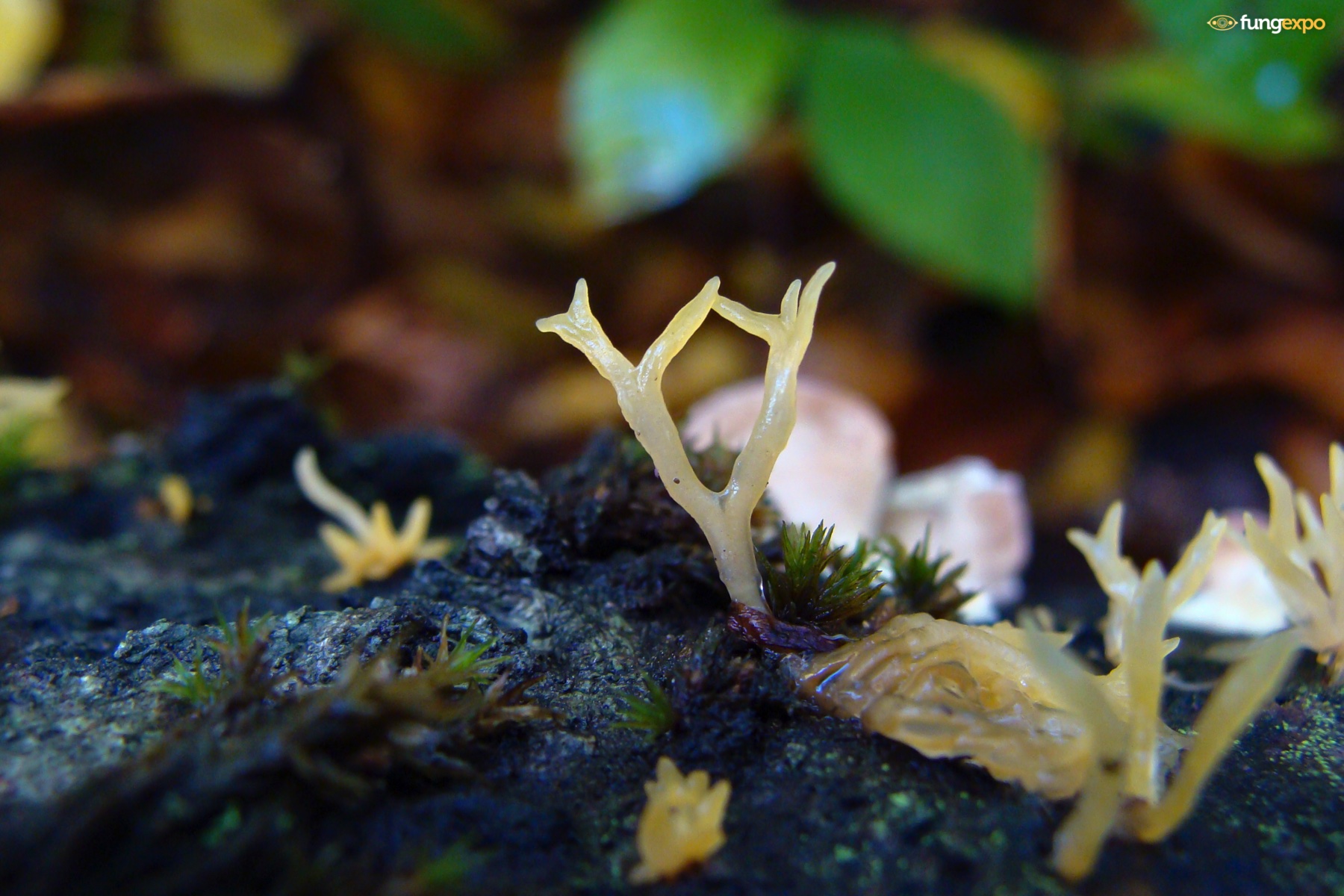
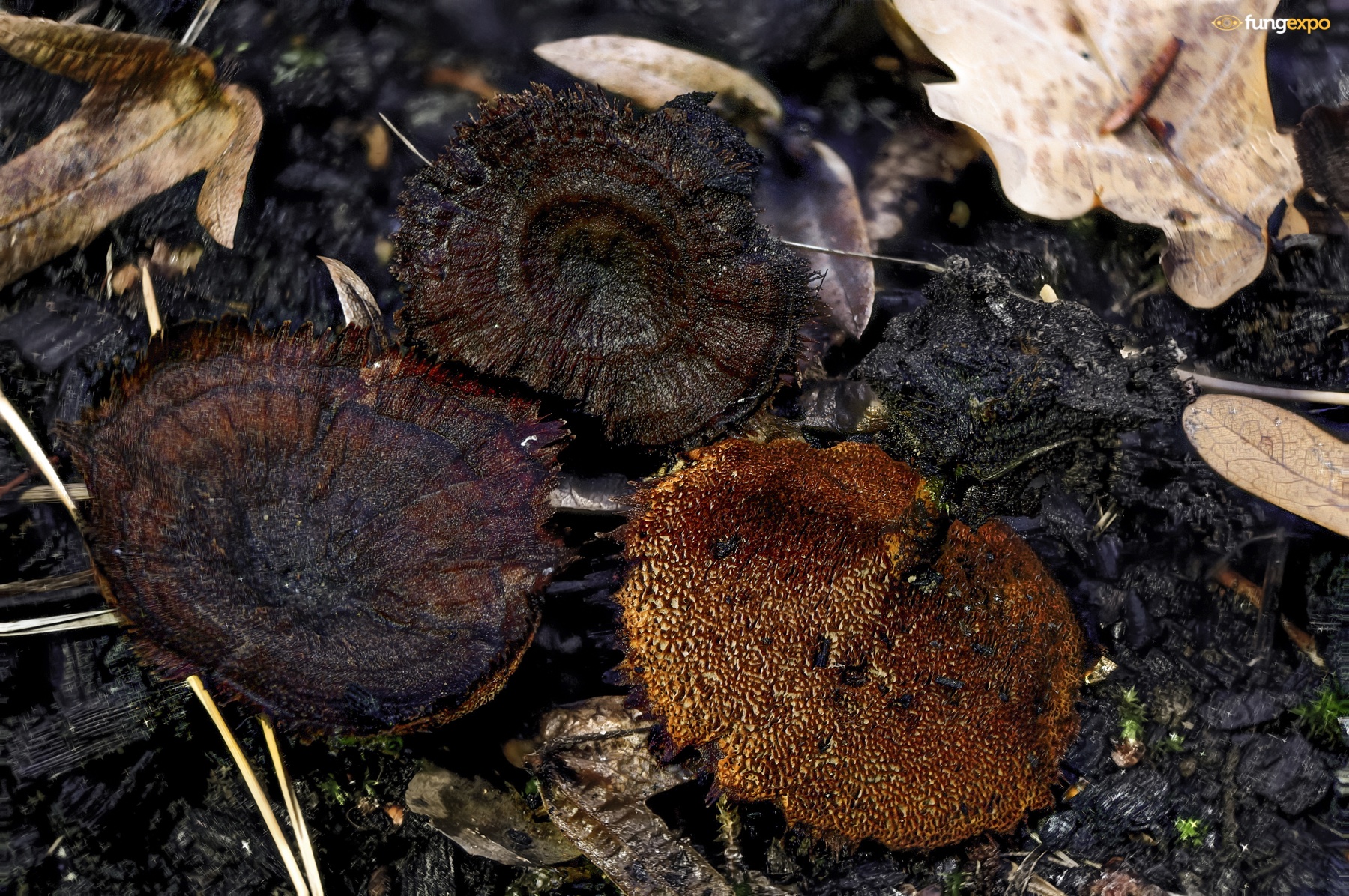
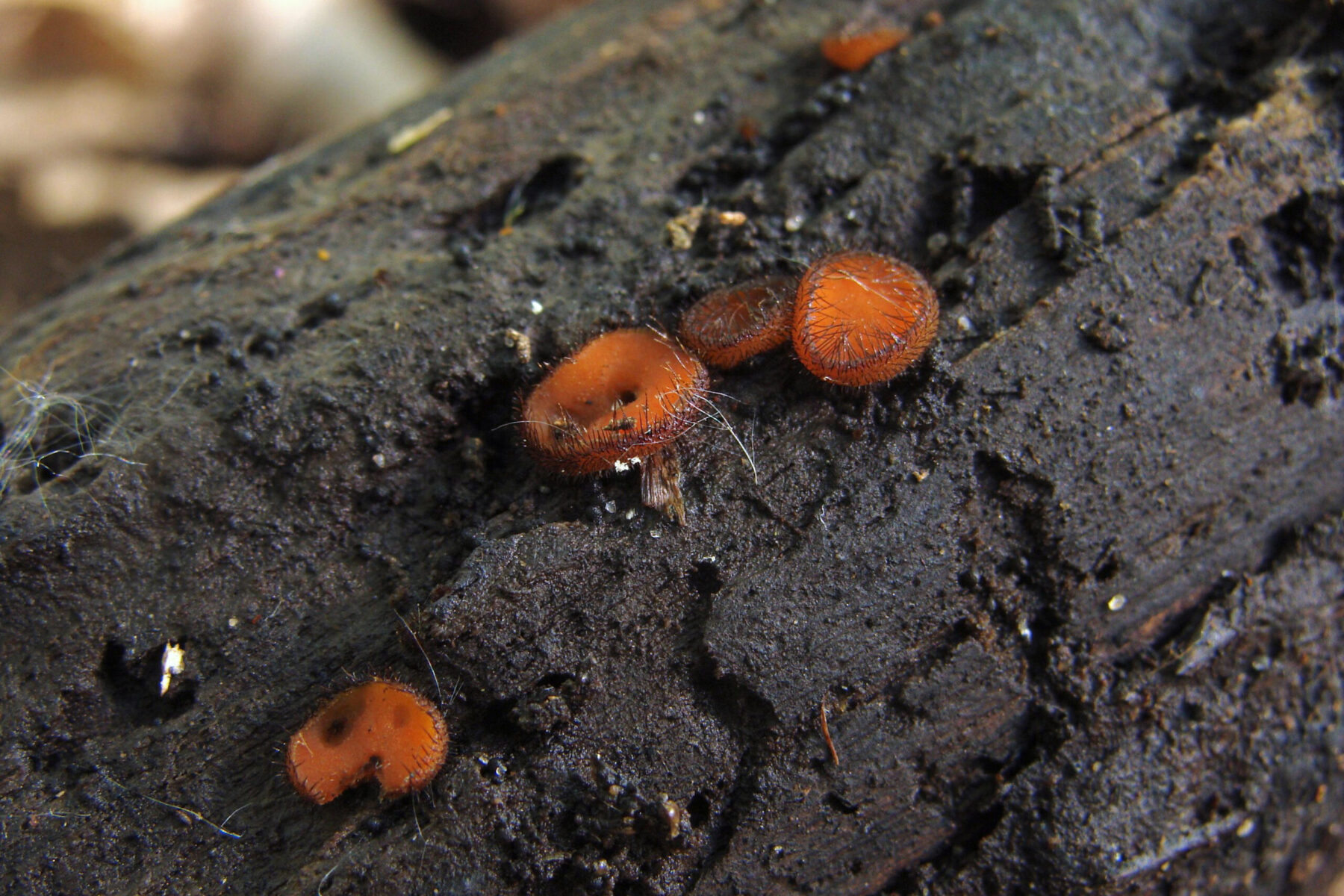
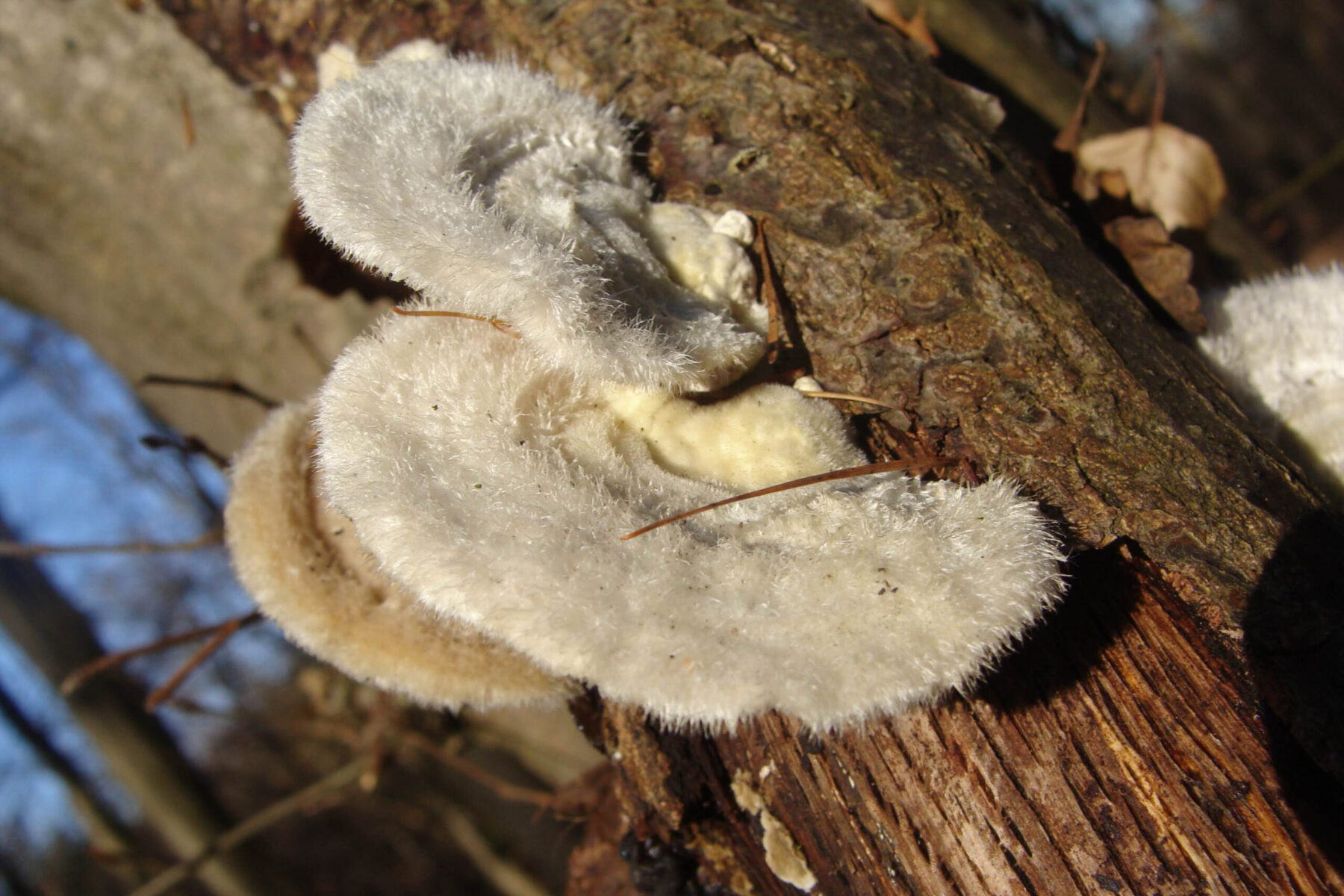
Selection of species found – 23–25 October 2025 @ Bázakerettye, Lasztonya, Kistolmács