
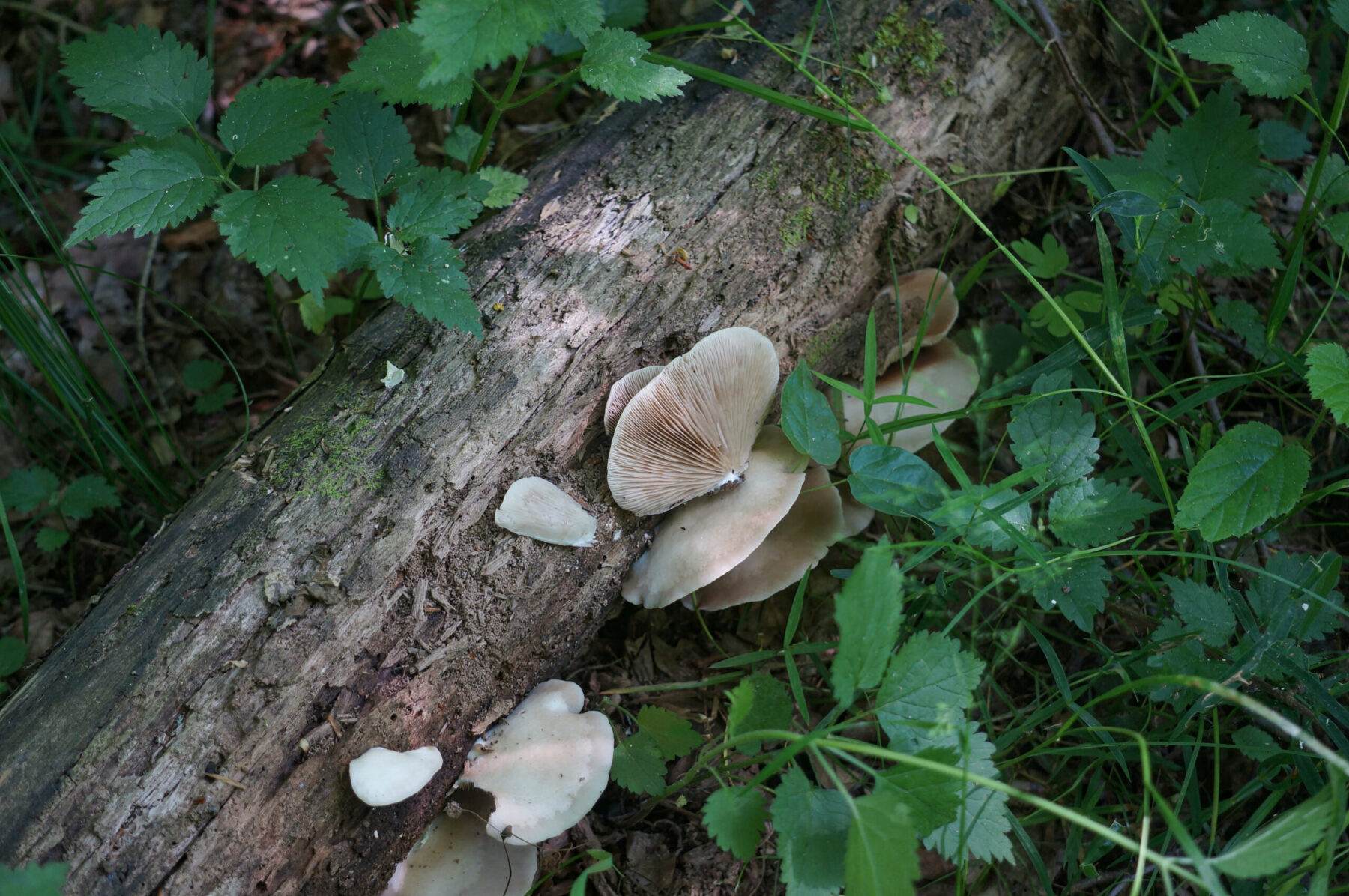
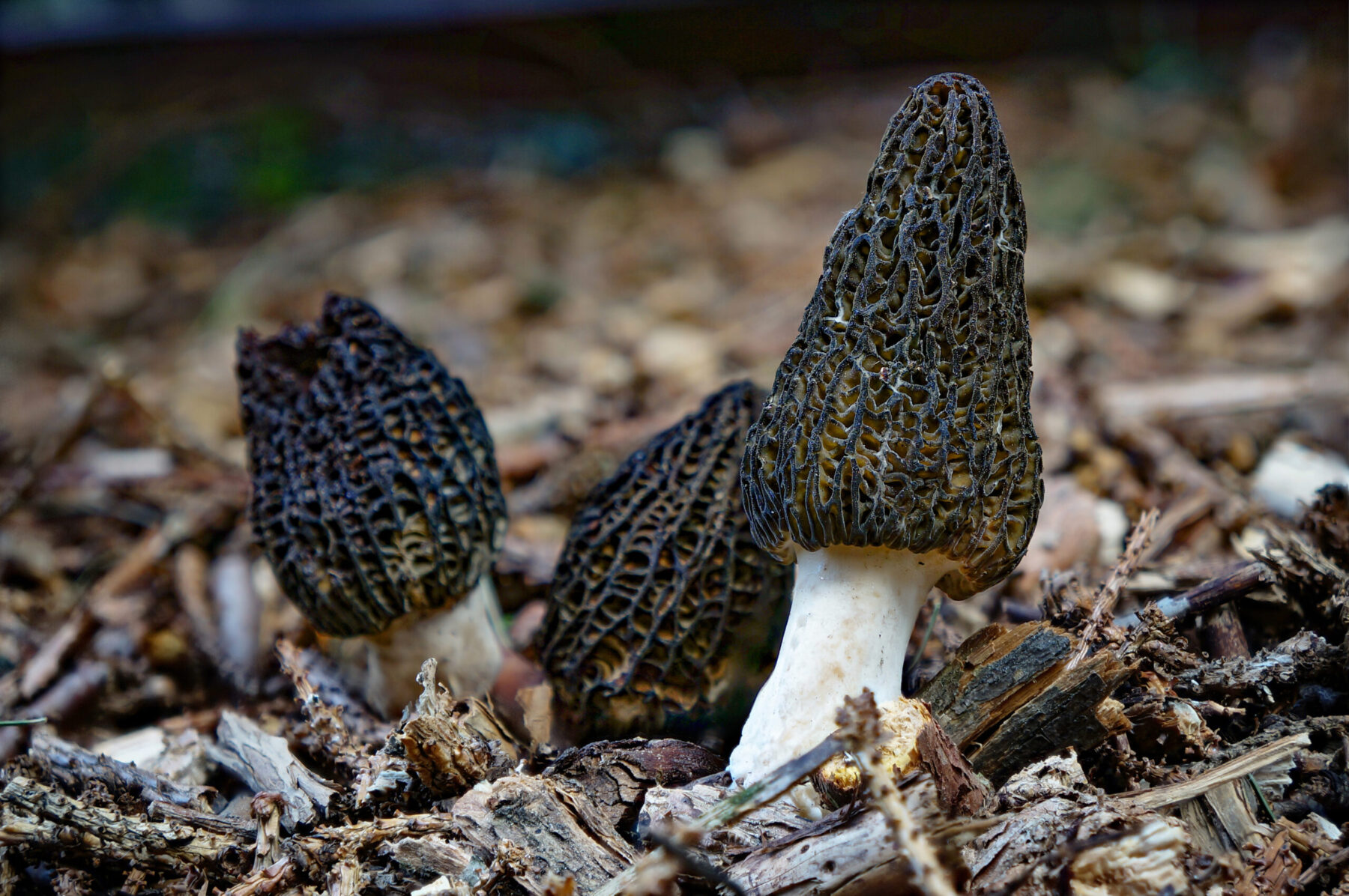
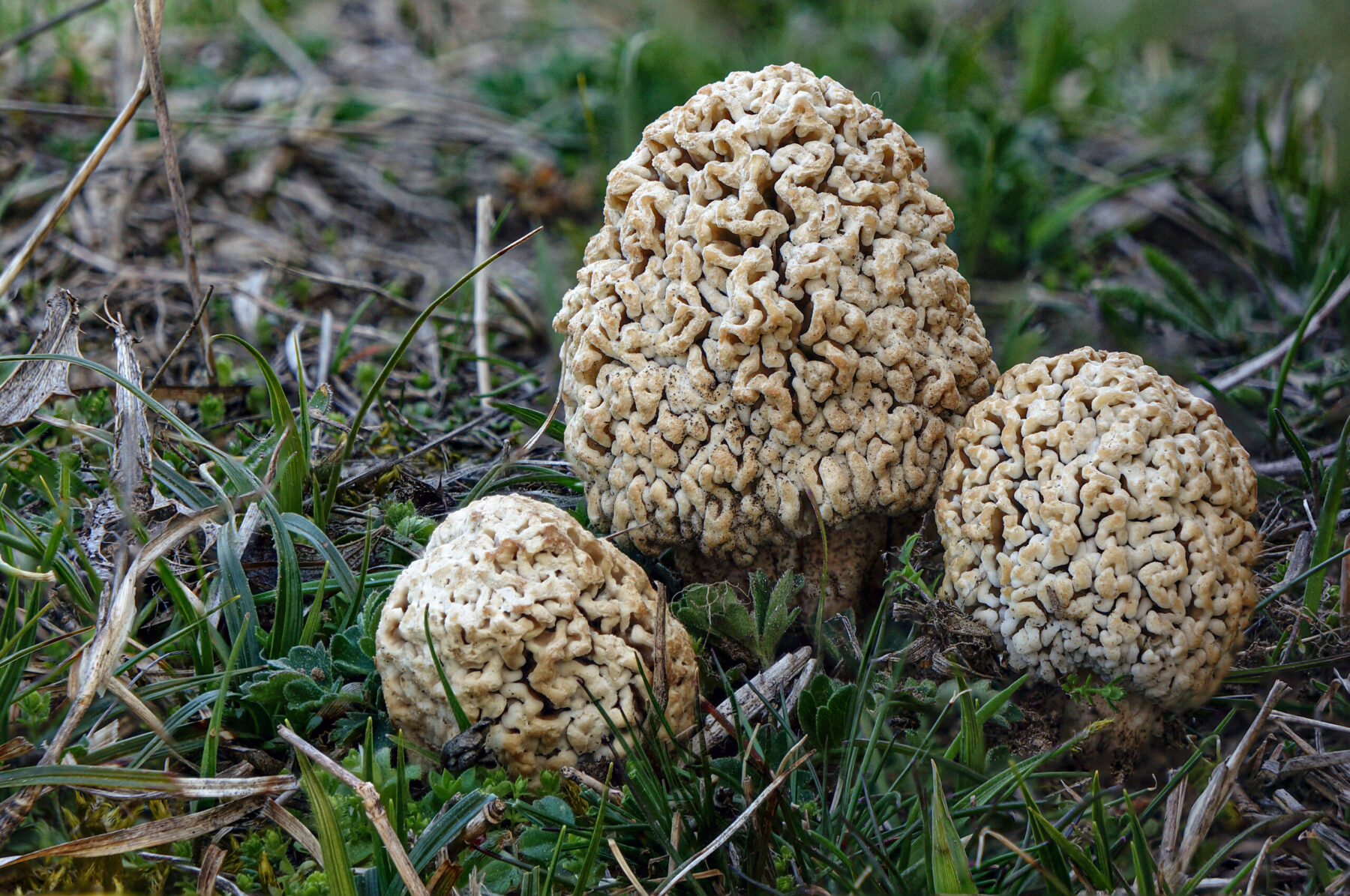
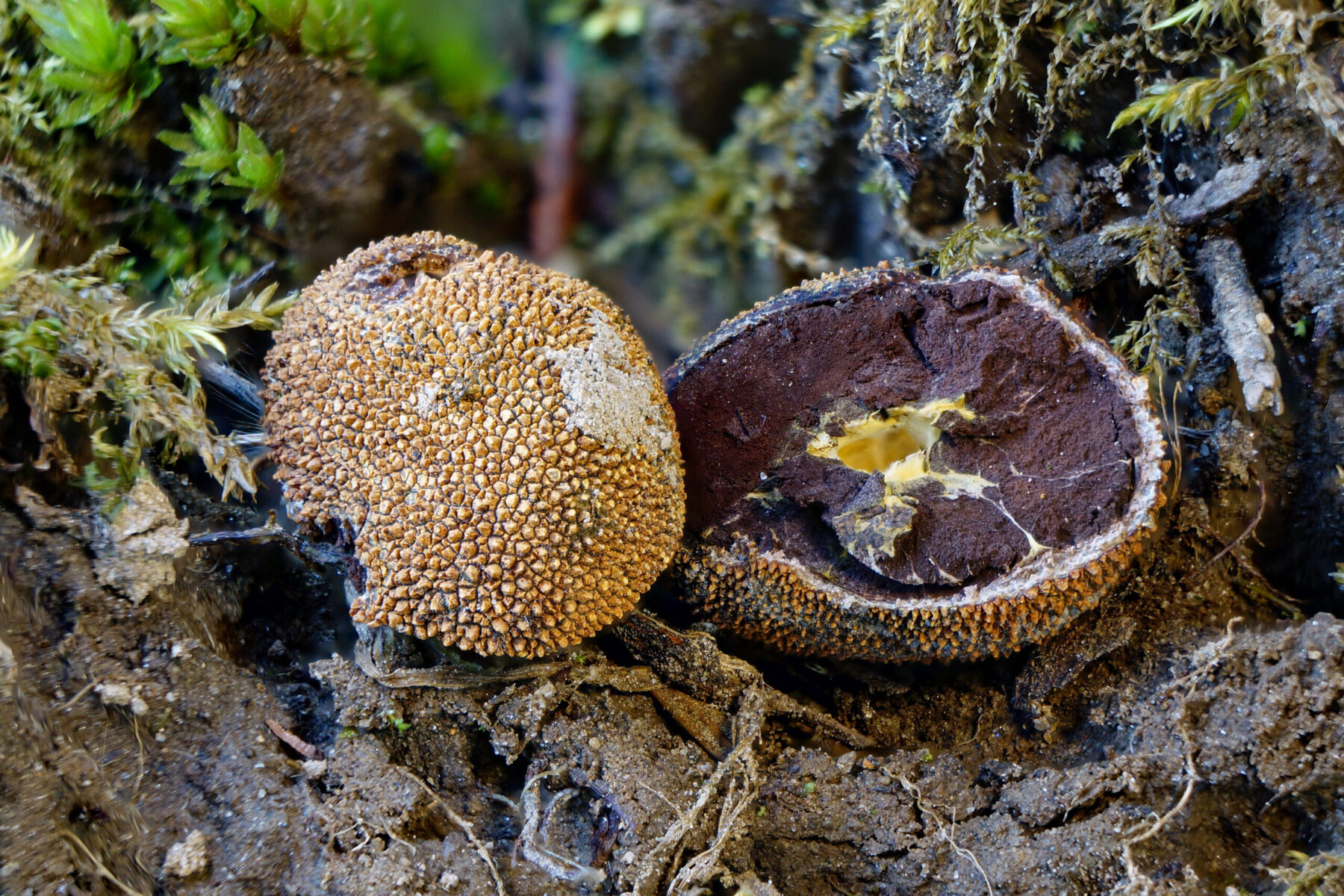
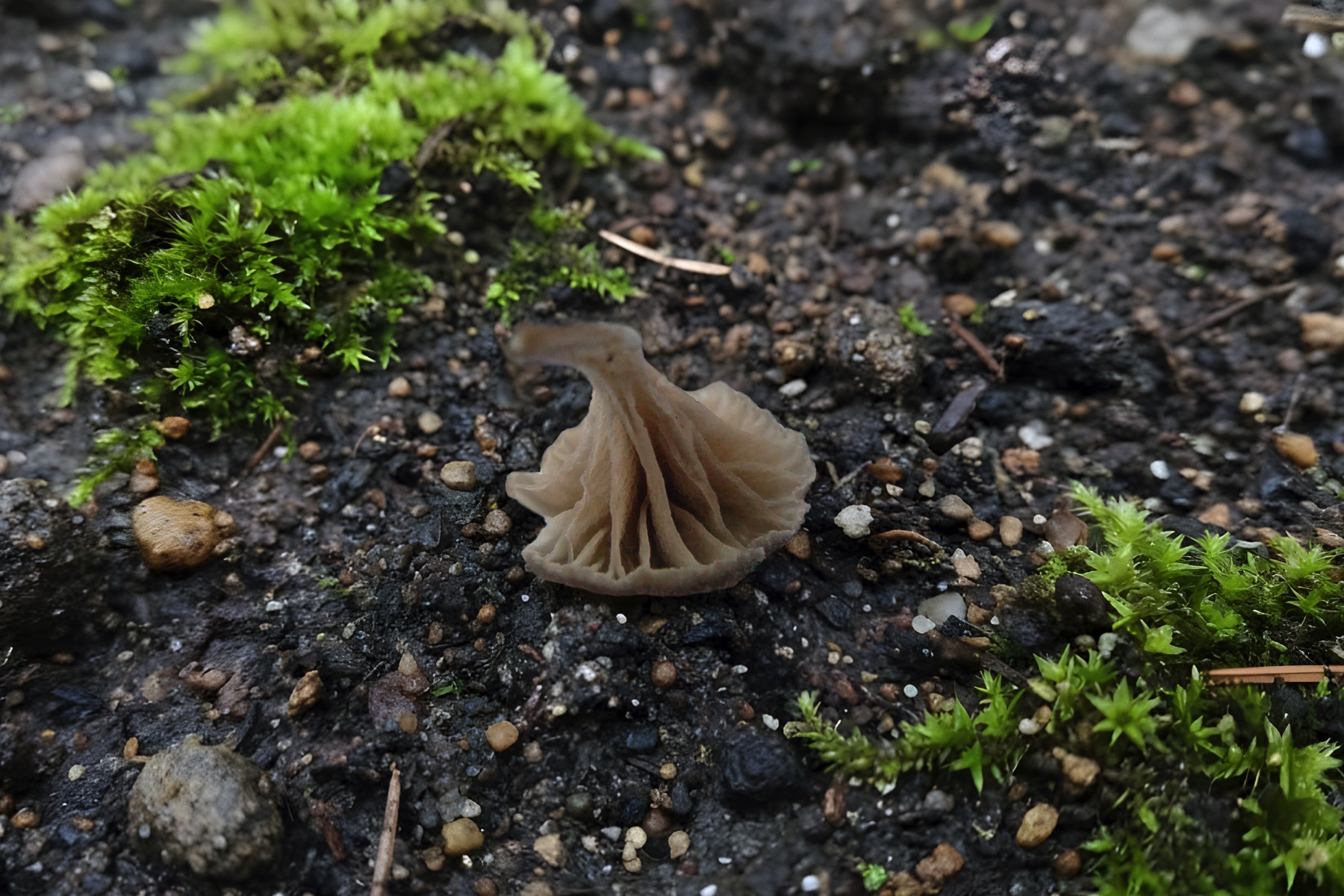
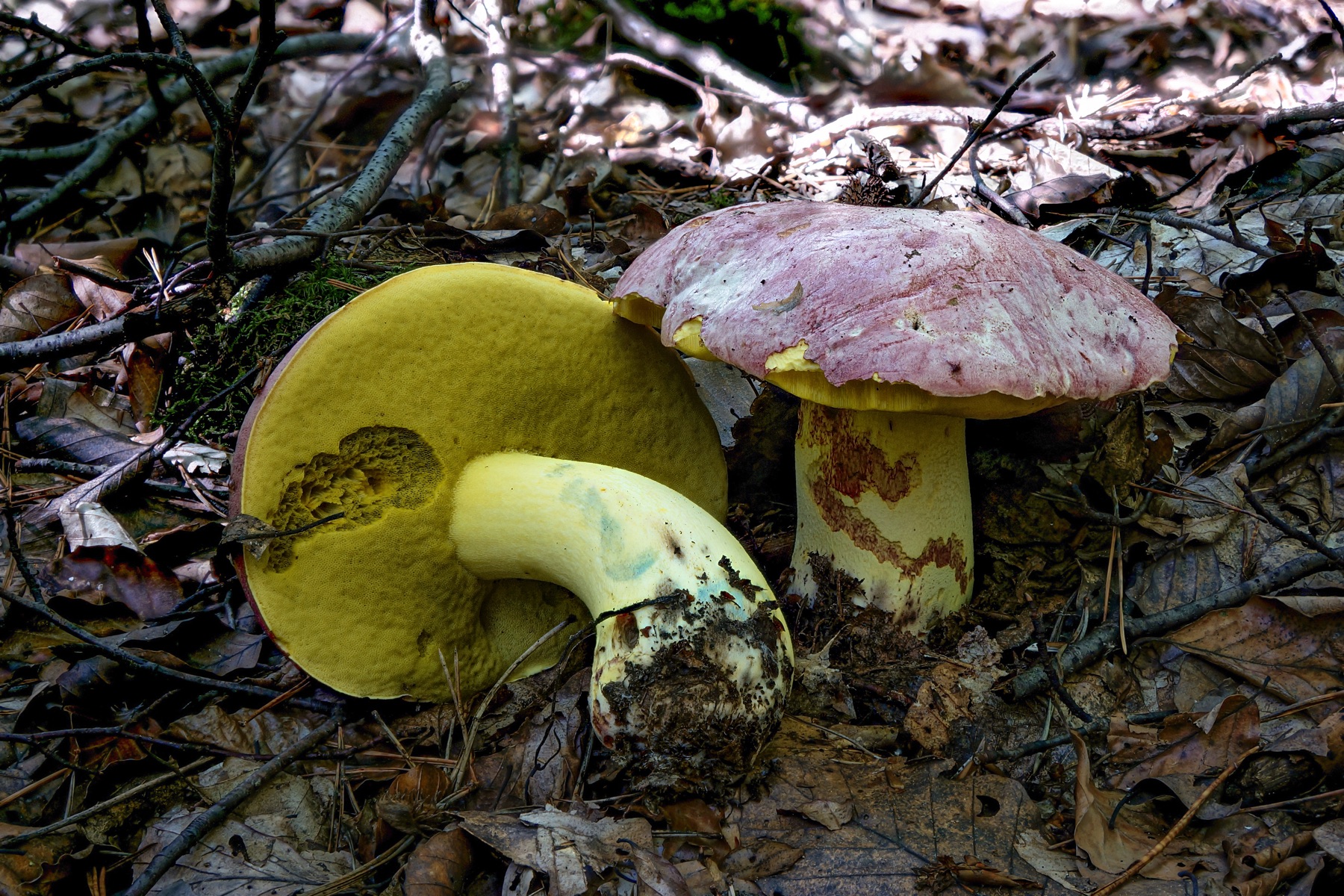


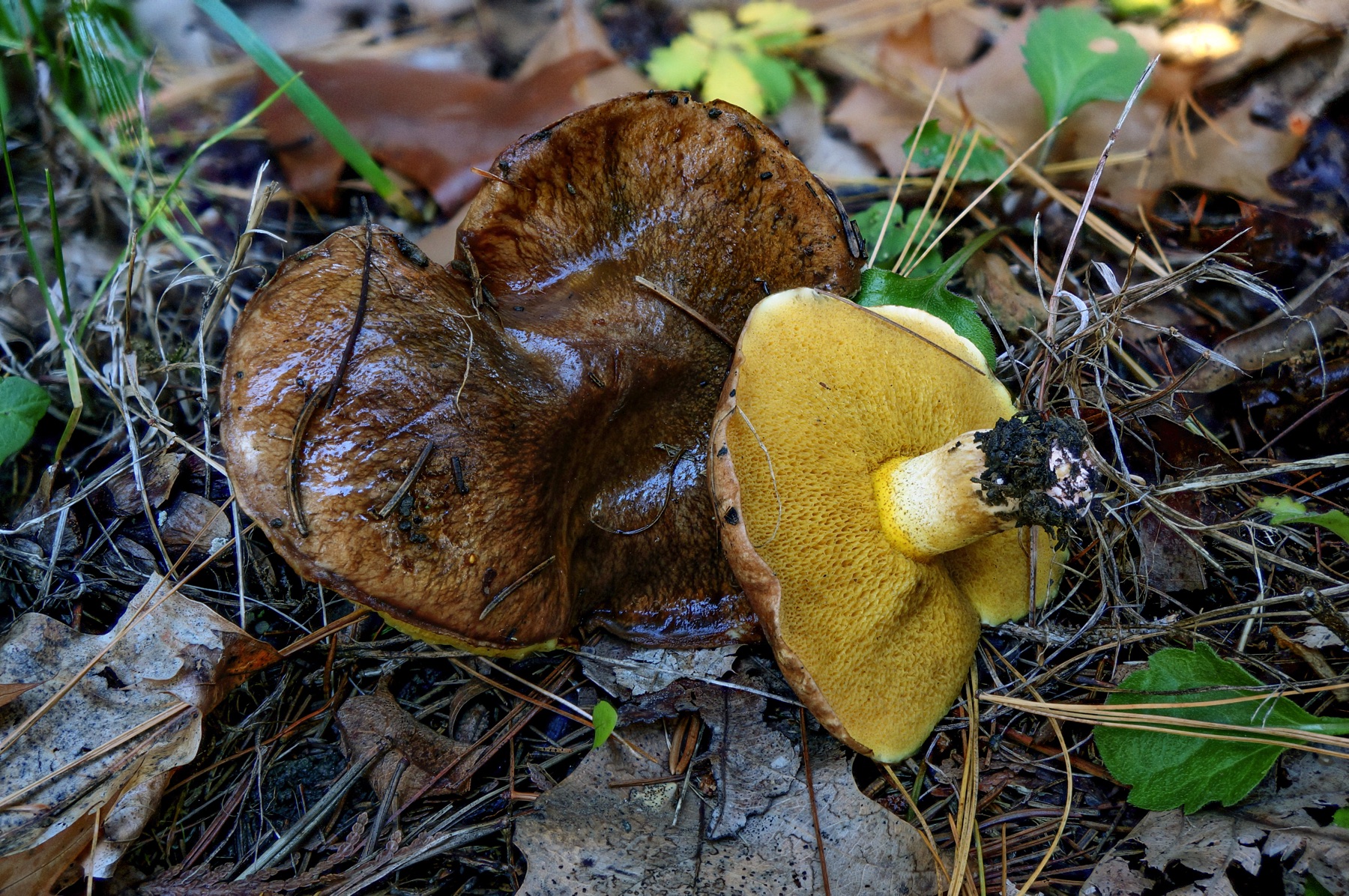




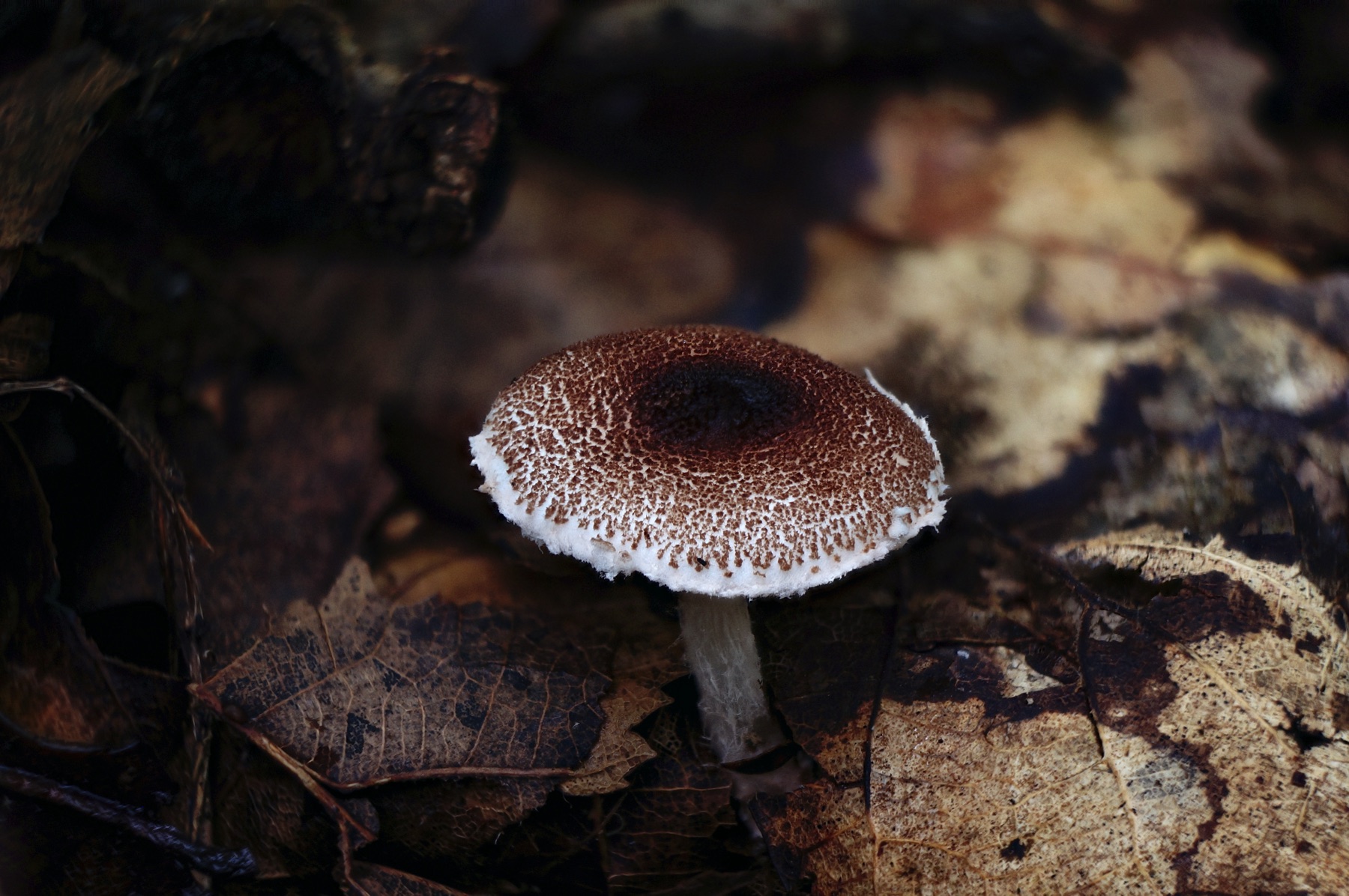


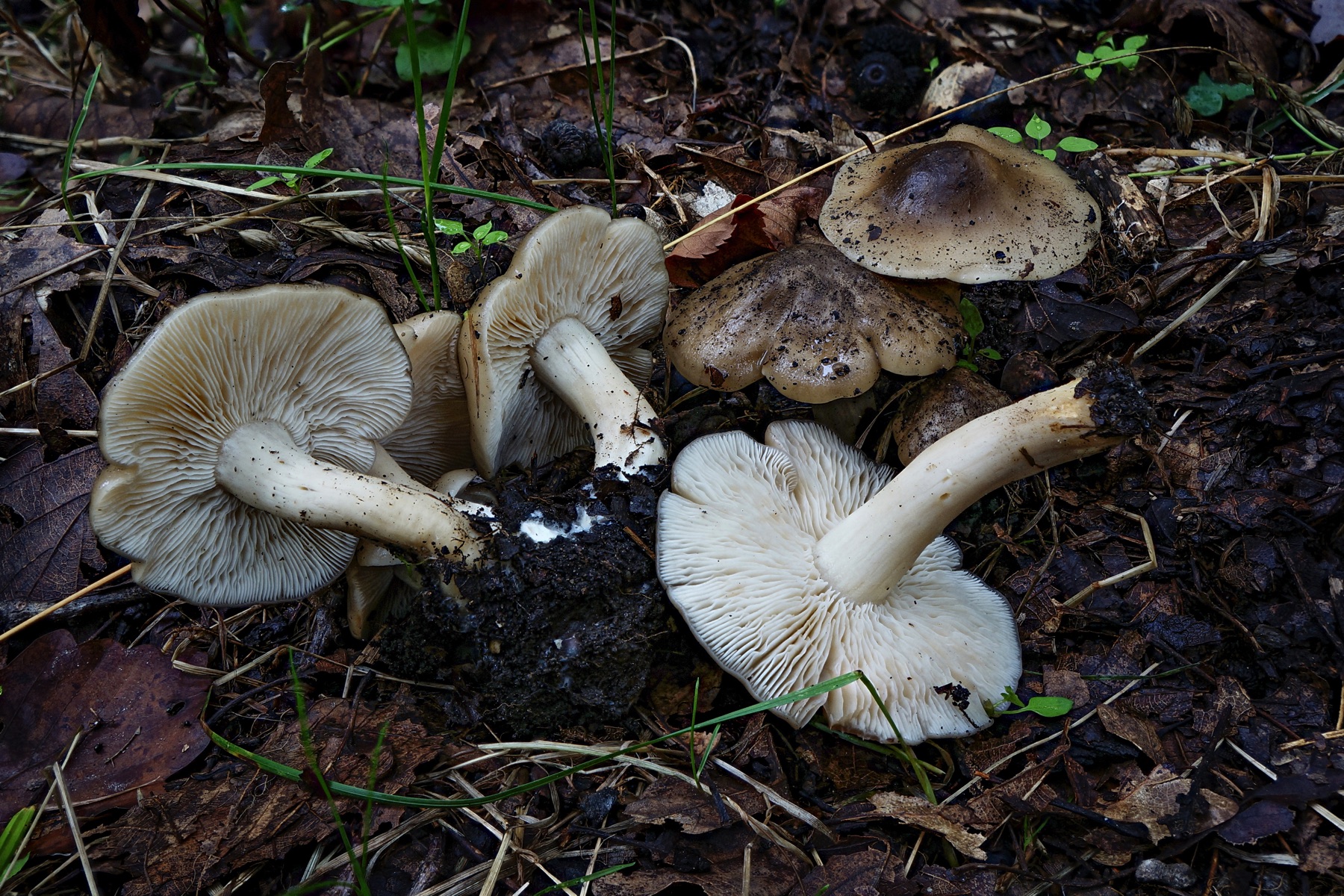
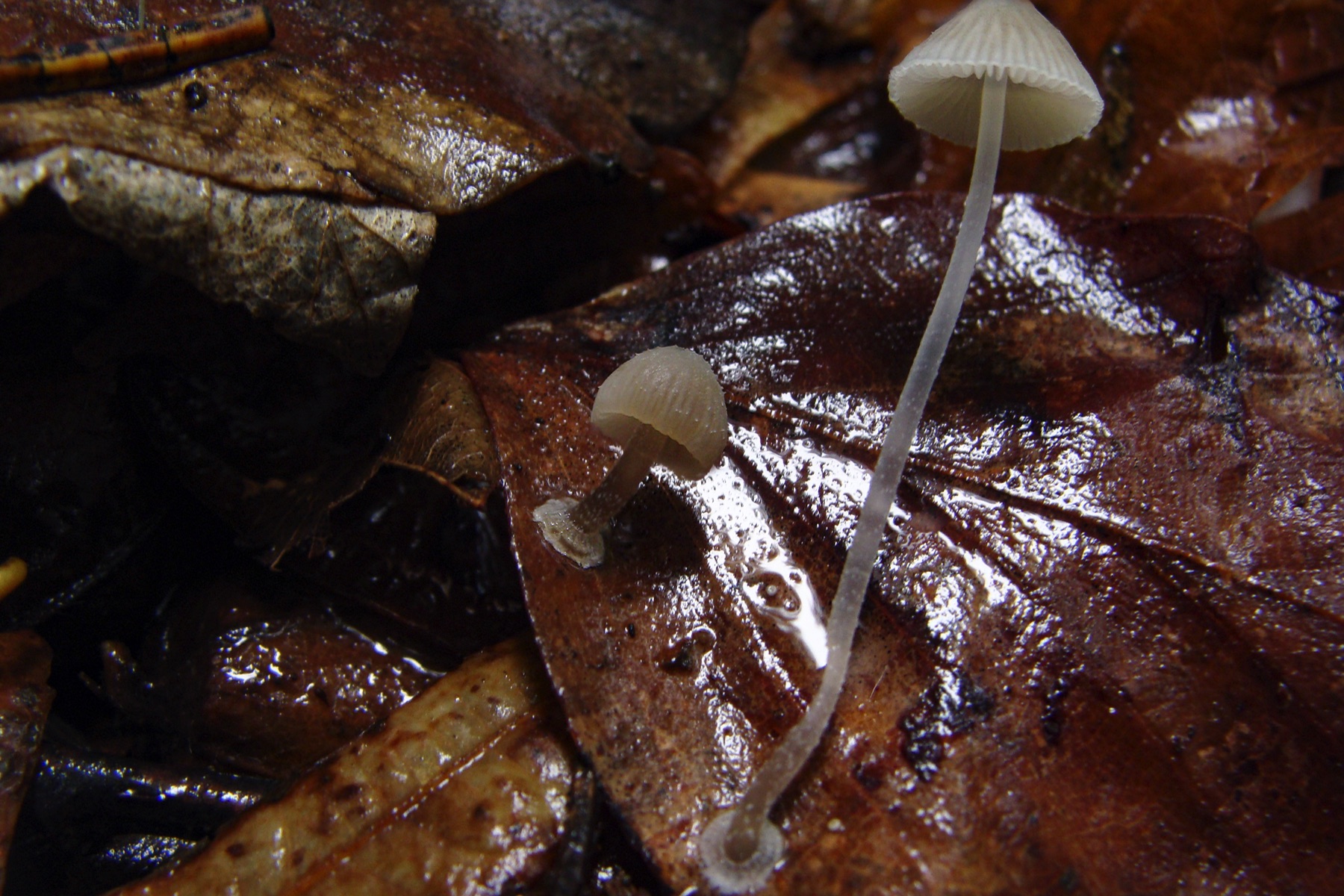


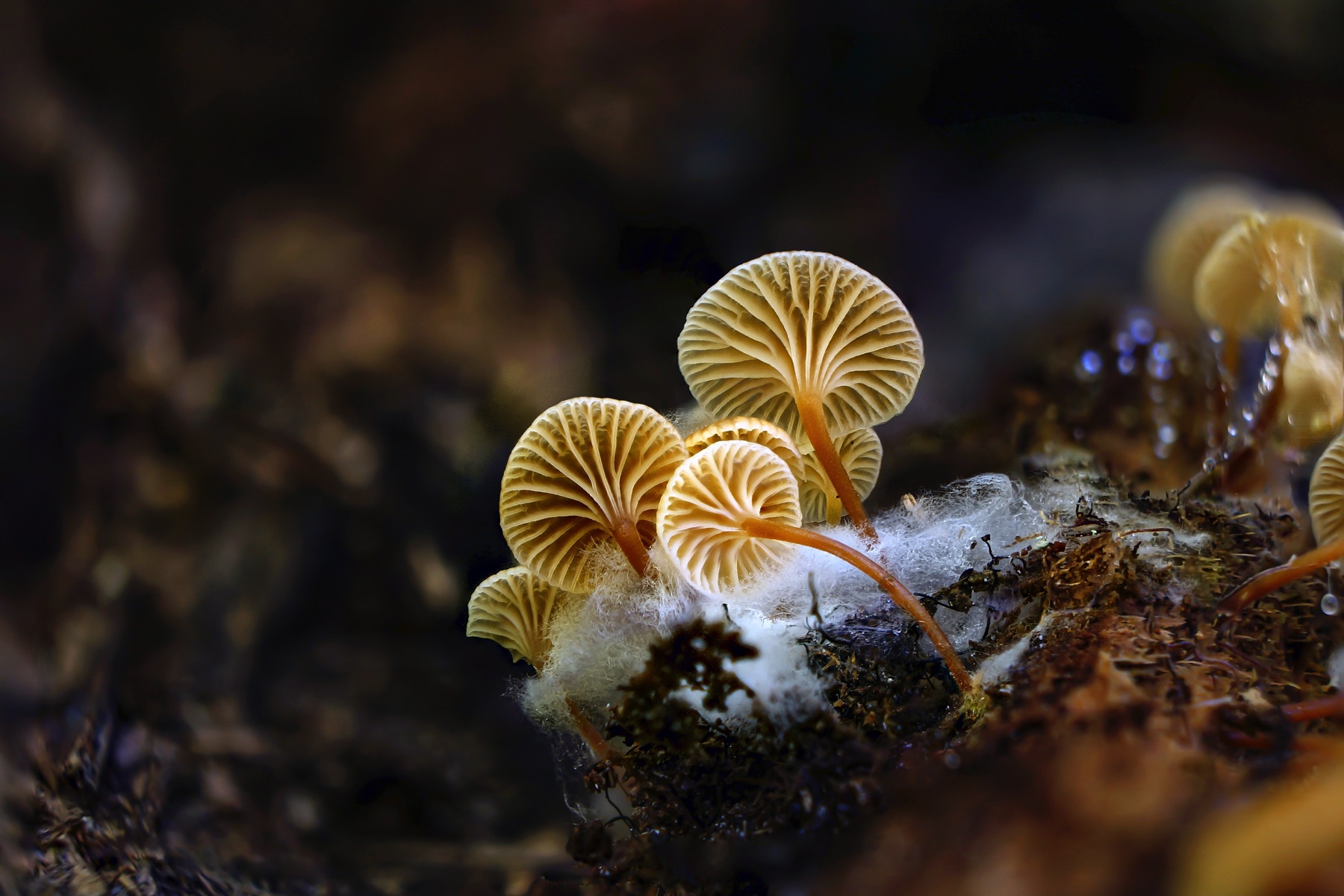
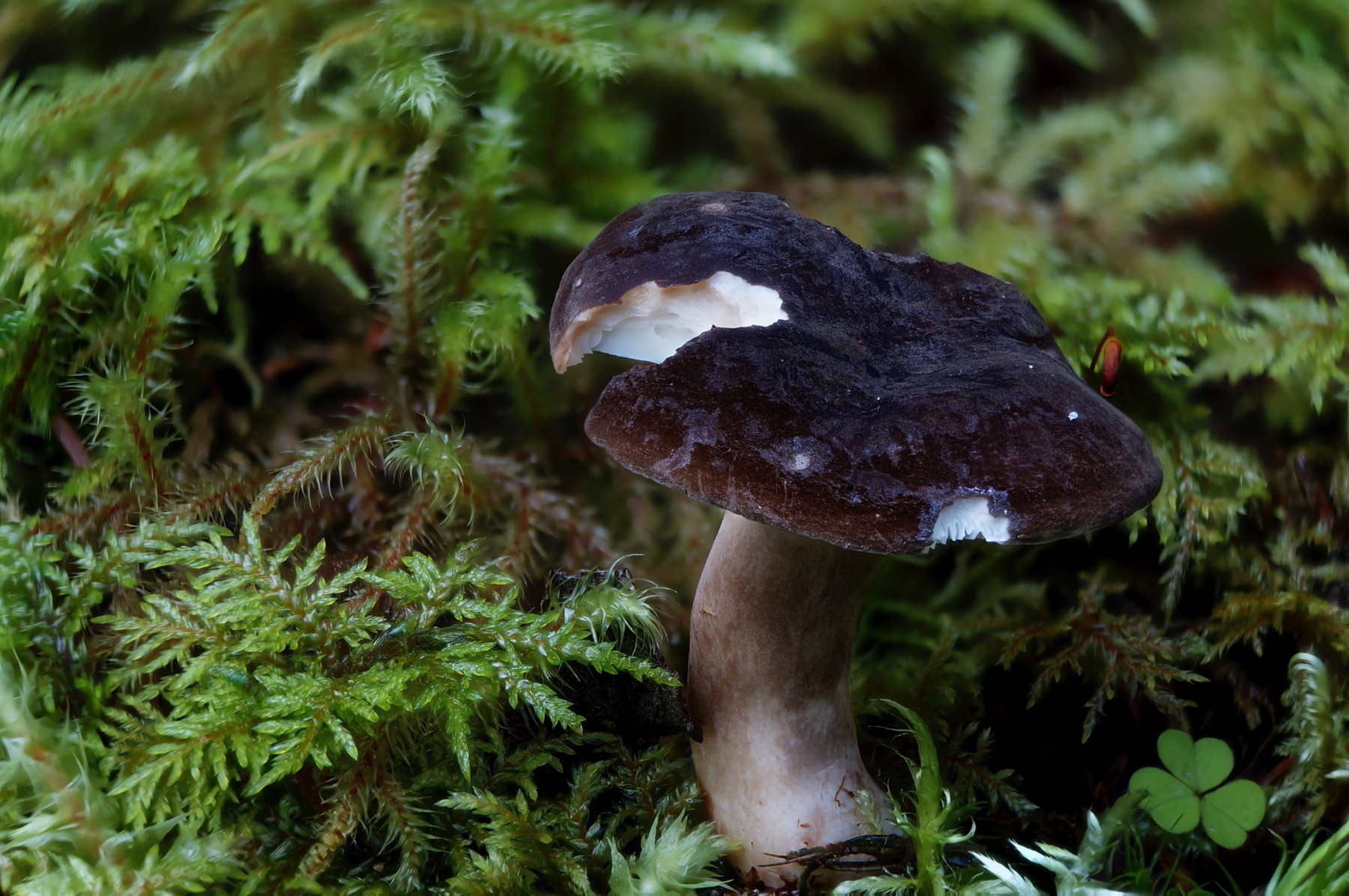


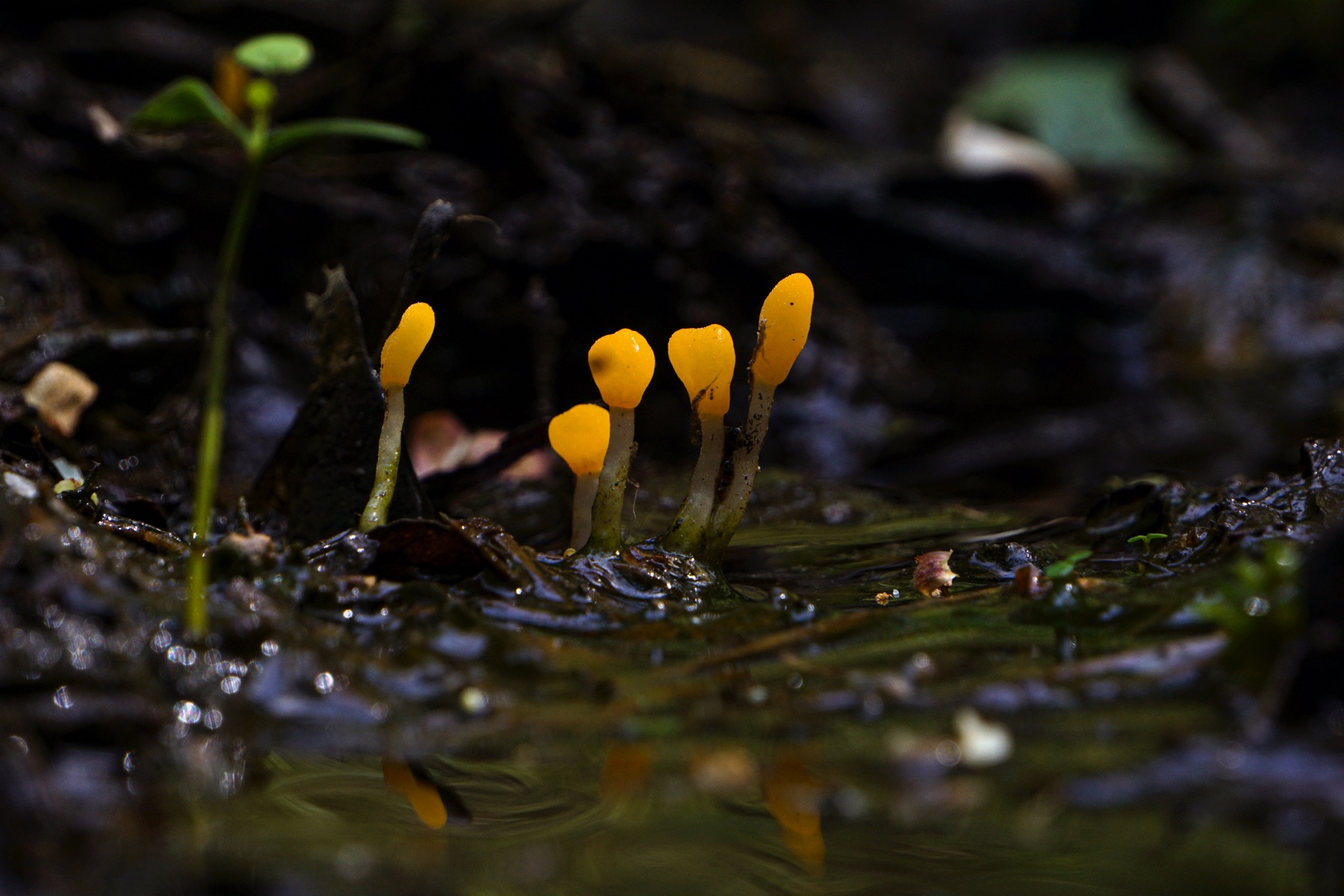








Several of our collections are included in the new, large-scale Entoloma paper
This massive work cites a considerable amount of Hungarian material, including several of our own collections. One of the new species (E. umbrinotinctum) was described from Hungary, and the type specimen also originates from a Hungarian collection. We may even appear among the authors of the species description. The paper is recommended reading for anyone interested in mycology; in this post we present only our own related records.
Author:
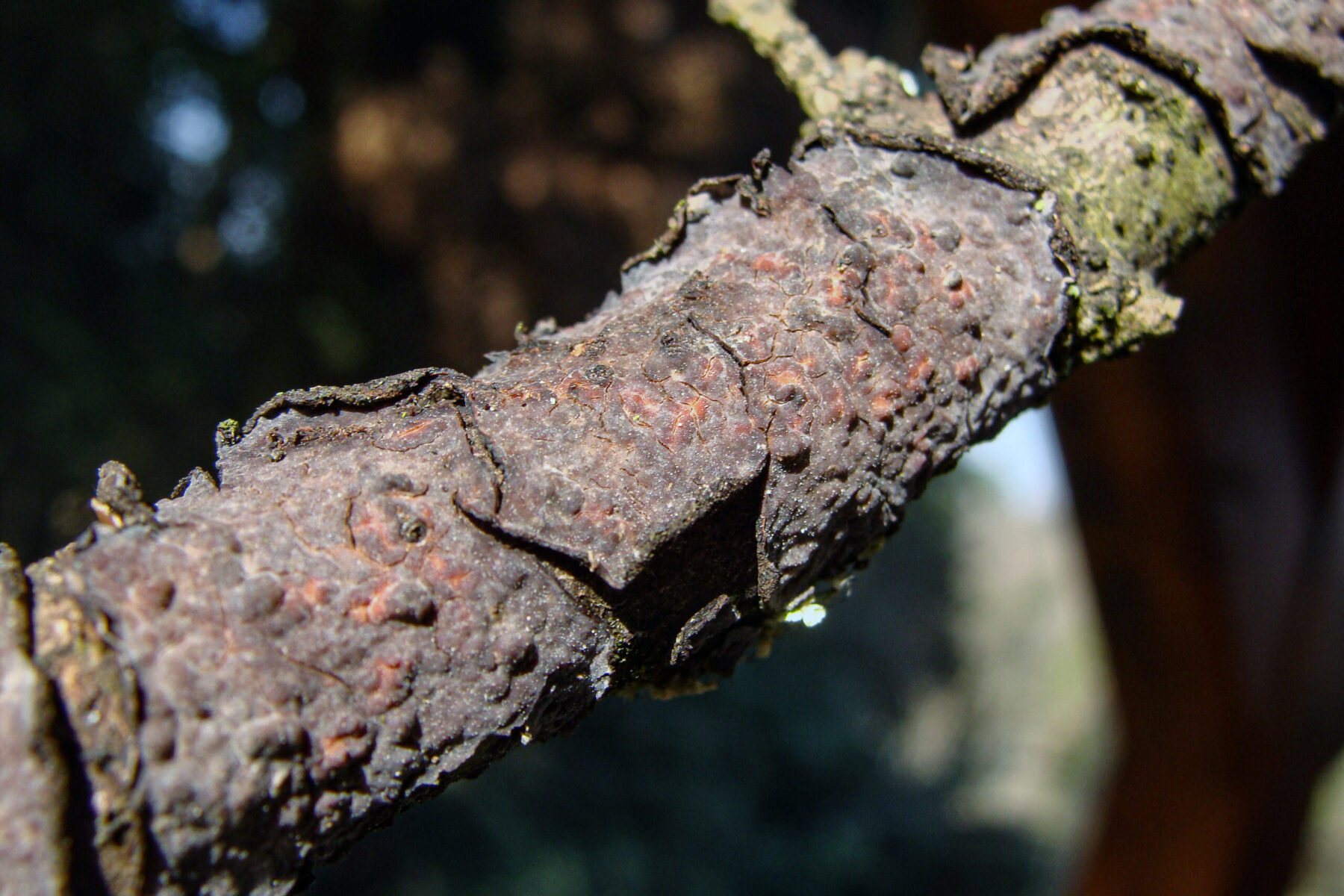
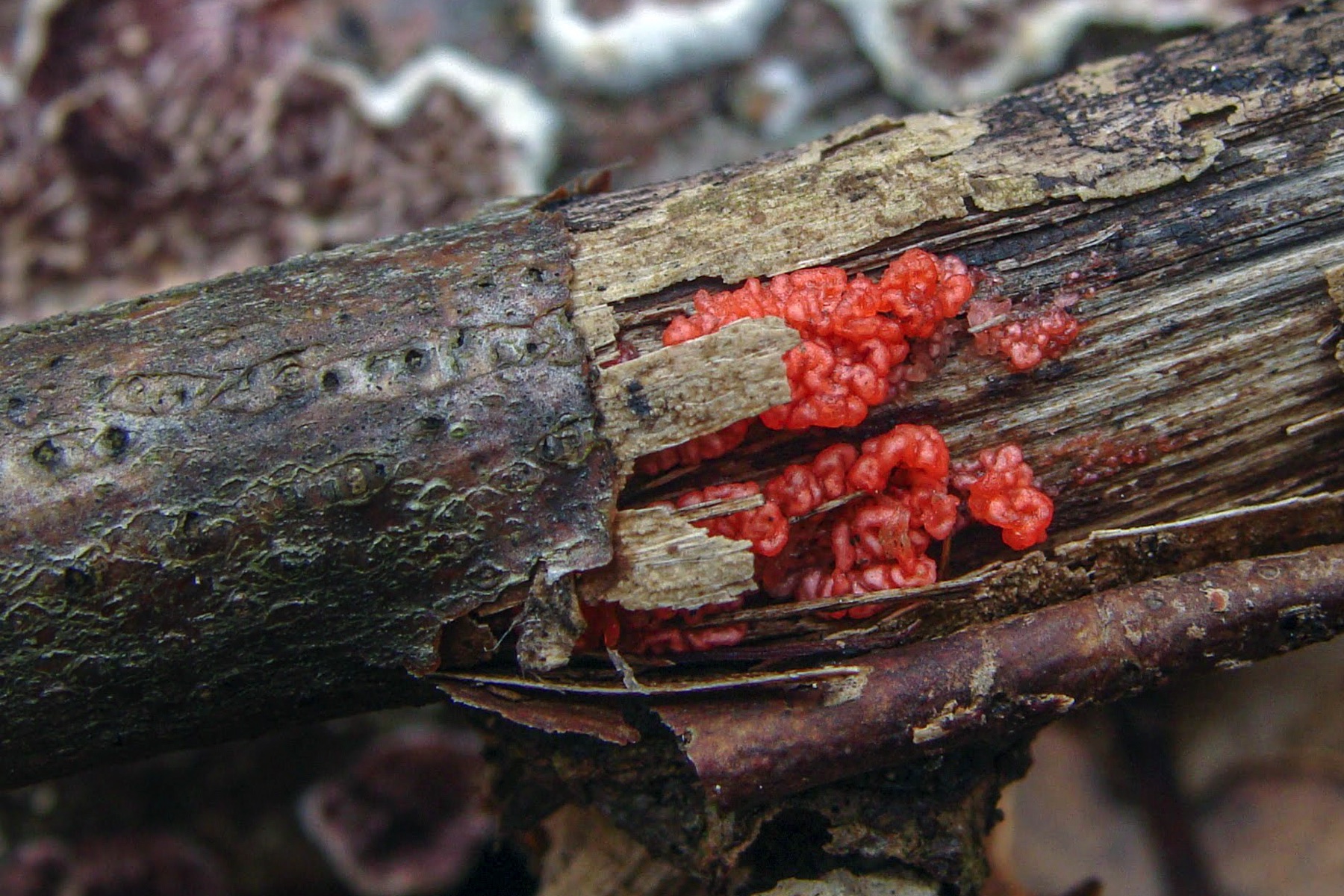
Mycogloea – the „brain” that isn’t what it first seems
Anyone who has seriously tried identifying fungi probably knows similar stories – when conventional methods go silent. In such cases, sometimes all you can rely on is time and luck. With this fungus, even genetics didn’t give a clean answer. And if we finally made progress, it wasn’t just macro- and micromorphology or sequencing that helped. Fate had to do a bit of work too.
Author:
Our first finds of the year — a wet, damp start, with the fungal world coming back to life
After the dry periods of 2025, it seems we’ve had a much wetter late winter, which could be a good basis for the spring season. But there is no need to wait until then — already in early February, fungi are appearing in considerable numbers. A more balanced, wetter year would definitely suit us. On our trips last weekend, we also found several species new to Fungexpo.
Author:
ITS Results for Christmas – 12 New Validations to Fungexpo
Without genetic confirmation of our species identifications, Fungexpo would be just a shadow of itself. The latest batch of ITS results reached us even before Christmas—couldn’t ask for a better gift! Since information only matters if it gets to those who can use it, here’s a summary of what came in.
Author:
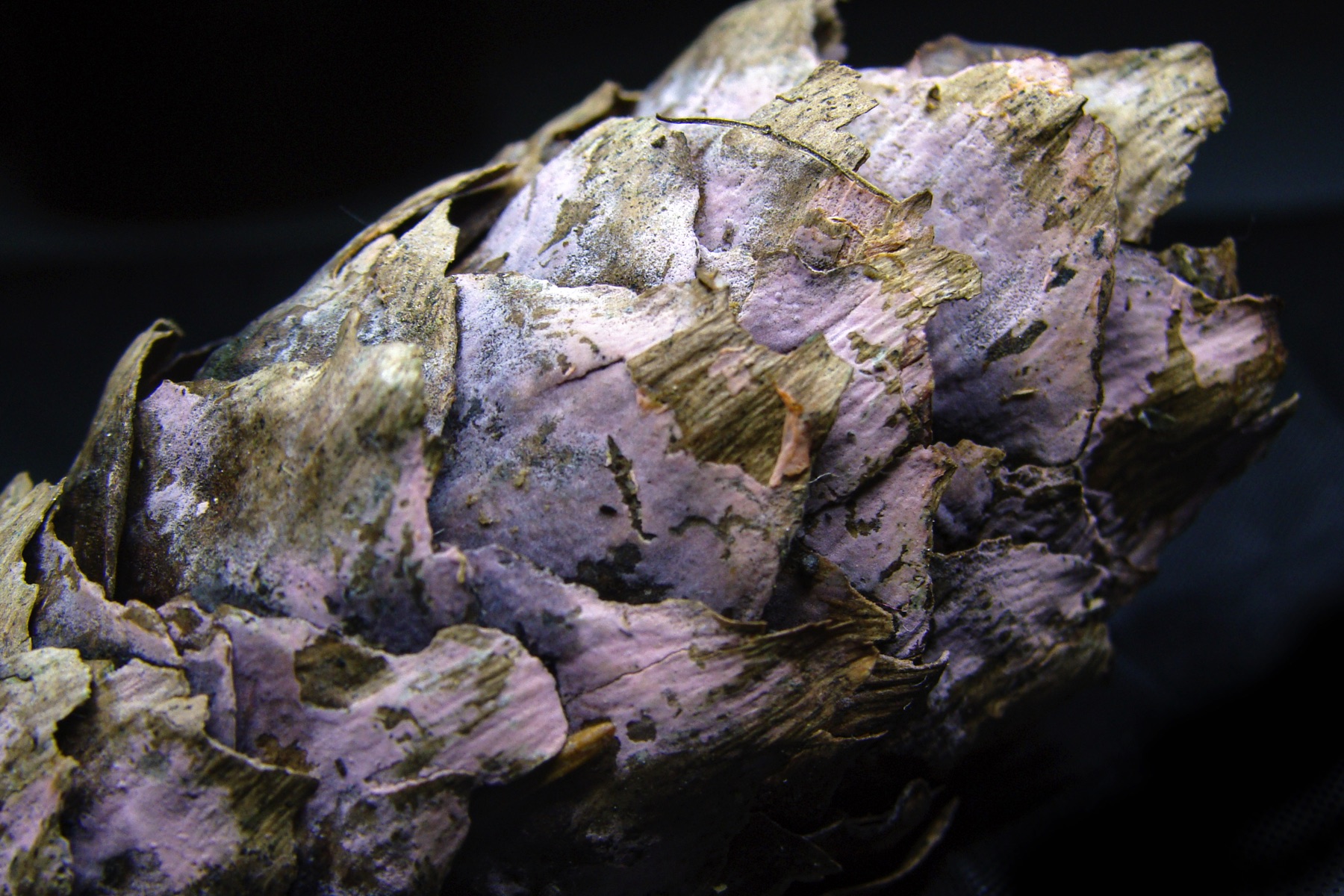
Orchids with Extras – Tulasnella spp. in the Wild and the Lab
It all started last weekend, when we found a spruce cone with purplish tones on its scales in the Vendvidék region. I liked it so much that I decided to take a closer look, and although I suspected it was a fungus, I would have most likely guessed some hopeless anamorph. Under the microscope, however, it quickly became clear that it was a species of Tulasnella.
Author:
On the land of former oil fields – the Bázakerettye area, round two
With the climate getting warmer and drier, the time window when you can actually experience real fungal abundance is getting narrower and narrower. Last year, in the first days of November, we happened to hit exactly such a window in the southwestern part of the Zalai Hills. That weekend turned out to be so exceptionally rich, including a fair share of rare finds, that we immediately decided to turn it into a personal tradition.
Author:
Mountain Fungi from the Austrian Alps – Kaprun and Surroundings
We spent the first days of September in the Austrian Alps. Even without the fungi, we’re drawn to mountain landscapes—but the real bonus is that, with a bit of luck, on trips like these you can spot species you either don’t see in Hungary at all, or so rarely there that it’s almost like you don’t.
Author:
Microscopic Measurement on MacOSX – Fungimeter Has Been Created
As a MacOS user, I only know from hearsay that there are several good free options available for these functions on Windows systems, but the situation is much more difficult on Mac. We have been regularly using a microscope since 2018, but since then I have only found less effective or outright poor workarounds for performing measurements.
Author:
Ophiocordyceps entomorrhiza – Creekside Bug Assassin
Last weekend, we spotted the fruiting bodies of a striking yet ruthless insect pathogen, Ophiocordyceps entomorrhiza, at one of our favorite streamside habitats.
We’ve recorded several other insect pathogens at this site before (e.g. Cordyceps tenuipes, Beauveria pseudobassiana, Cordyceps militaris, etc.), but this species hadn’t shown up here until now.
Author:
Gotcha, Mitrula! – A Cross-Border ‘Mycelial Network’
It’s a pretty unique feeling to long for a face-to-face encounter with a fungus. If I could see us today from ten years ago, I probably wouldn’t hold back the sarcastic comments. But facts are facts: by now, we’ve got a whole “Most Wanted” list of species we’re dying to find. And we’re definitely not alone—most passionate mycophiles have a list like that.
Author:
Slime flux – The Spring Festival of Opportunistic Microbes
Around springtime, it is common to encounter bright orange, slimy „flux” on the stumps of felled trees, on fallen trees, and often on the trunks of wounded living trees. This phenomenon is commonly referred to in Hungarian as „carrot-yellow tree slime,” and there are many misconceptions or half-truths surrounding it, both locally within the community of mushroom enthusiasts, and in international forums and groups.
Author:
New pyrophilous species have emerged from the burned forest
After a relatively long break, we once again surveyed the vast burned forest area near Csönge. In December, the scene was clearly dominated by Anthracobia species, coinciding with the onset of a fruiting wave of Plicaria. By the time we returned in April, the situation had completely changed.
Author:
The condition for the blooming is the „opening” – the author’s „ars poetica”…
We see many examples in nature, including fungi, where the opening is a fundamental prerequisite for „flowering.” It’s great to experience it. It’s great to gather knowledge. But to appropriate the gained experiences and knowledge is something that distances us from our environment.
Author:
Our First Thousand Fungi – Prologue to Fungexpo
A few years ago, around 2017, we started getting involved with fungus. Mostly without any prior background. When this comes up, people sometimes ask why. Where did the interest come from? I try to answer with something reasonable, but to be honest, I don’t really know the answer.
Author:
Alchemists of the Phoenix – Life After the Csönge Wildfire…
In September 2024, a massive wildfire raged in our broader vicinity—at least within our county, near Csönge/Kenyeri. We don’t know the exact extent, but according to some reports, approximately 400 hectares were affected by the fire. Entire habitats were destroyed, and a significant portion of the local wildlife perished.
Author:
Autumn Fungal Paradise in Southern Zala – Too Many to Count…
„Earthly paradise” – that’s something like what I wrote to our fellow fungus enthusiasts when we first visited Southern Zala County this August, exploring the Budafapuszta Arboretum and nearby Bázakerettye. Back then, we agreed to return for an autumn adventure together. If only all plans came to life so easily! We went!
Author:
Hygrocybe subpapillata – Newly Discovered Habitat of a Rare Waxcap
It’s been an emotional rollercoaster regarding the domestic occurrence of a rare waxcap and the developments around the protection of its habitat across Europe. My goal isn’t to stir emotions, but there may be valuable lessons to be learned from this story…
Author:
Chicken of the Wood on Yew – No Hungarian Research After All
In 2020, we read Dr. Gábor Jancsó’s call for research, in which he, in collaboration with the PTE Faculty of Pharmacy (GYTK), aimed to use analytical methods to put an end to the speculations about whether any of the toxins found in the yew tree (Taxus baccata) could be detected in Laetiporus sulphureus (Chicken of the Wood) growing on the tree.
Author:
Another First Record: Bonomyces arnoldii in Hungary
Dr. Bálint Dima saved the exciting news for us for the autumn fieldwork at Nagybörzsöny, that the mushroom we collected in March from the Tátika Reserve represents a new species for Hungary, Bonomyces arnoldii, according to genetic analysis.
Author:
Bryophyte Stories – First Record of Lamprospora and Octospora Species in Hungary from Our Garden
In December 2022, we participated in an excellent workshop on bryophyte fungi organized by the MMT. The species identification portion of the Vértes weekend focused on the known domestic representatives of genera such as Octospora, Lamprospora, Bryoscyphus, etc., and we continued the work here at home!
Author:
Reunions – After Four and Five Years, We Met Again
Maybe it’s the abundant winter precipitation, maybe the early arrival of spring… In any case, we were fortunate enough to reunite with two species we have been searching for a long time. Until now, unsuccessfully. The main stars were Hygrophorus marzuolus and a species of Disciotis.
Author:
The Neighbor’s Grass… – The Kőszeg Mountains on Both Sides of the Border
Unfortunately, only a few species appeared again this year around Kőszeg and Velem. However, since we were already in the area, we decided to include another Austrian day in our trip. We took long walks around Rechnitz and Lockenhaus, and although it wasn’t exactly a mycological paradise there either, we still encountered species we had never seen before but had long hoped to find.
Author:
We Had a Guest Over the Long Weekend – We Explored the Forest with Ica Fedor
We had been planning it with Ica for a long time, that she would visit us, and we would ‘sail’ together on our local, favorite ‘waters.’ Ica is well-known in mycological circles as one of the most enthusiastic domestic experts and researchers of the Mycena genus, and she is also an active member of the Hungarian Mycological Society.
Author:
Our Four Days in Slovenia – We Had Some First Encounters
From September 20-24, we visited Slovenia, staying in the town of Laško. The purpose of our trip was partly tourism, but of course, we also planned some time for mushroom hunting. It was worth it! If we had a bit more time and if it hadn’t been raining so much, our mushroom checklist would have been significantly shorter. :)
Author:
We explored near the Tátika Forest Reserve
We didn’t have high hopes for our field trip in Zalaszántó, but fortunately, we were greeted by far more fresh fruiting bodies than expected. This was our first time in the beautiful mixed ancient beech forest reserve, and we really liked it. We definitely plan to return during a more productive season.
Author:
It took almost three years to confirm which Leucoagaricus this is…
Nearly three years passed between the discovery of the mushroom shown in the pictures and the molecular examination. We first encountered this highly reddening fruiting body in October 2020, growing on conifer needle litter along a roadside bank.
Author:
A still unnamed Entoloma from the Szatmár forest in Sárvár
Perhaps few readers would think so, but the exploration of the richness of the natural wildlife surrounding us is far from being a completed process. A „taxonomic revolution” is ongoing in the world of fungi, just as it is for plants and animals.
Author:
Morchella americana „became” our questionable morel
In 2022, we collected these paler, grayish, slightly elongated-capped Morchellas from the Rába riverbank in Vas county, compared to the tasty Morchella esculenta s.s. Fortunately, they arrived on schedule again this year, 2023, near oak and ash trees.
Author:
Pseudolaccaria pachyphylla – another first record for Hungary
On the last day of 2020, we collected these omphalinoid fruiting bodies from the Himfa park forest. They were found emerging from a mossy cliff and seemingly from the soil. They had no distinct smell, and there was no visible green thallus around the base of the stipe.
Author:
So far, we have identified two new species from the cryptic group of purple Inocybe
A few years ago, we started collecting purple-colored Inocybe species from various habitats. So far, molecular analysis results have been obtained for three collections (collected near Sárvár, Nagymizdó, and Zalakaros).
Author: