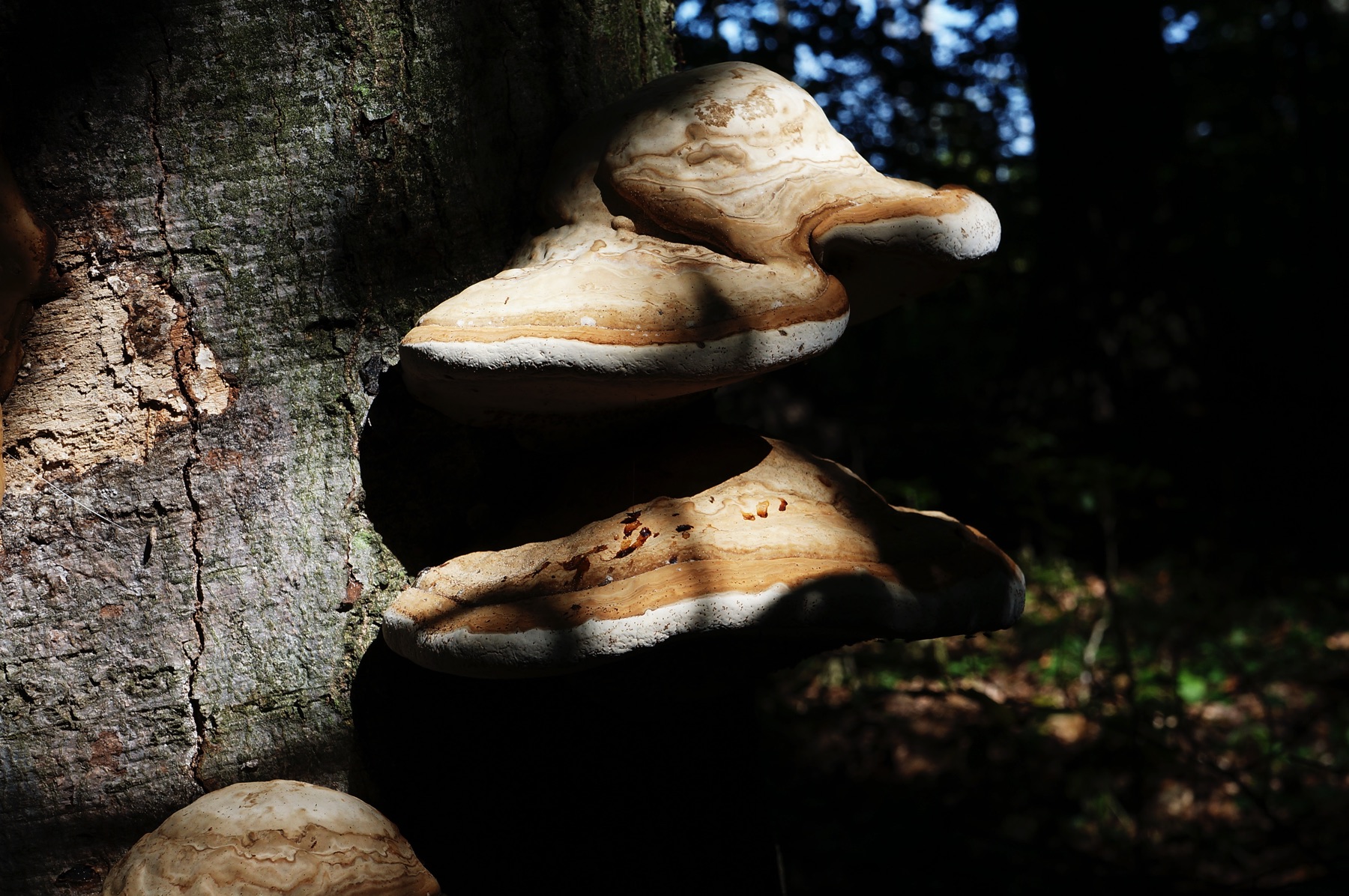
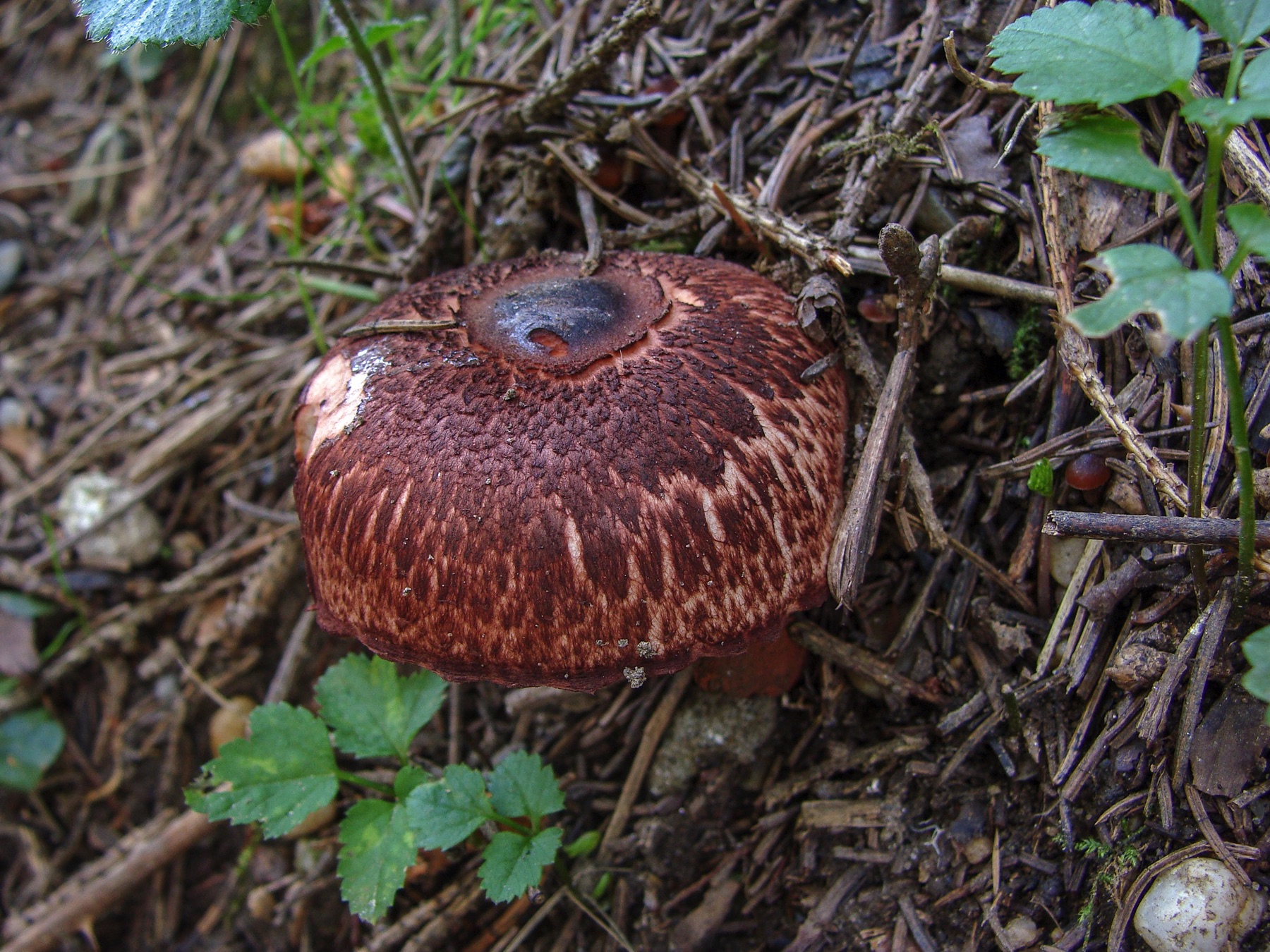
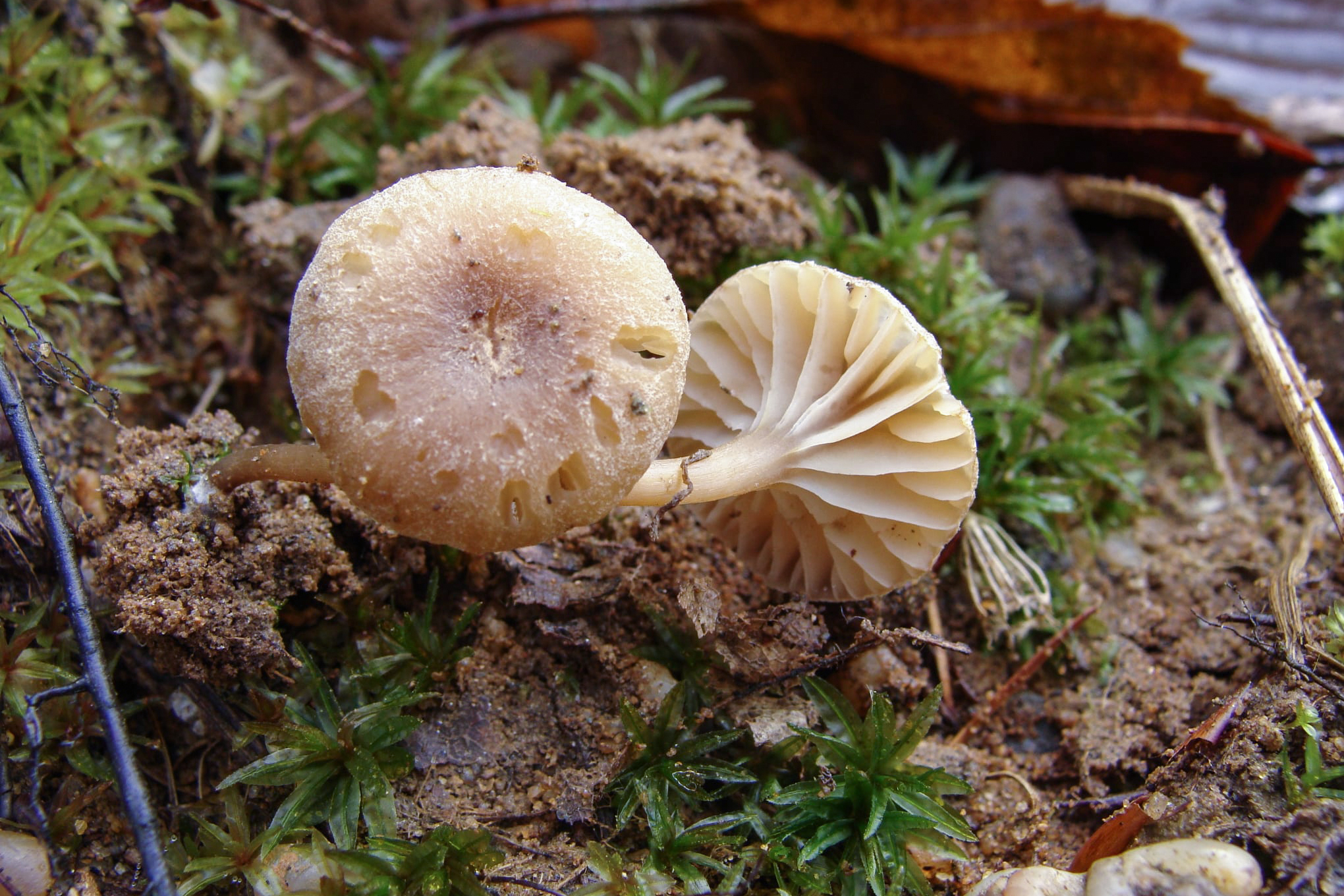
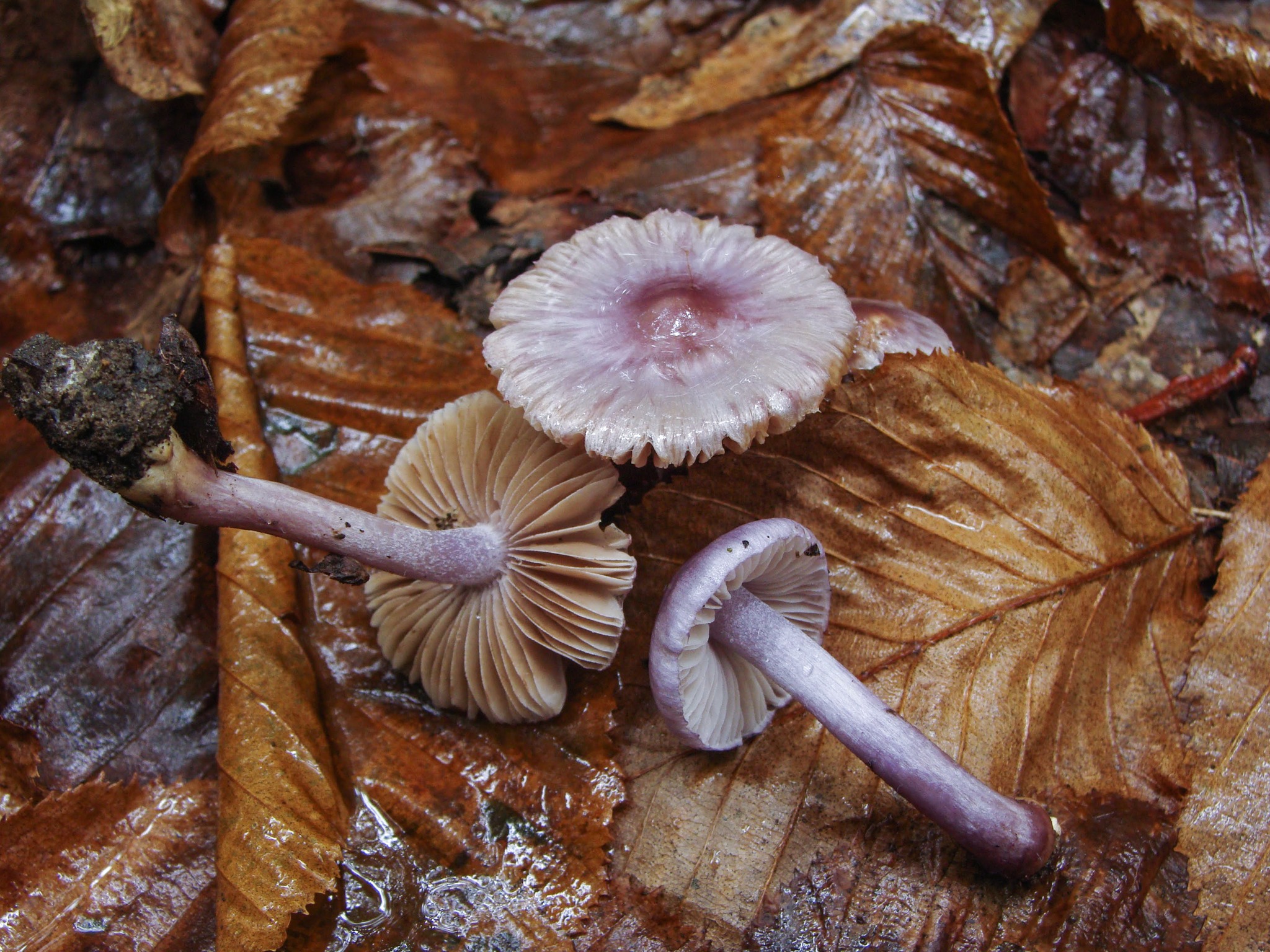
Several of our collections are included in the new, large-scale Entoloma paper

This massive work cites a considerable amount of Hungarian material, including several of our own collections. One of the new species (E. umbrinotinctum) was described from Hungary, and the type specimen also originates from a Hungarian collection. We may even appear among the authors of the species description. The paper is recommended reading for anyone interested in mycology; in this post we present only our own related records.
Kategória EN

Több gyűjtésünk is szerepel az új, nagyszabású Entoloma-cikkben

A hatalmas munka jónéhány magyar gyűjtési anyagra hivatkozik, többek között a mi kollekcióinkra is, egyik új fajt (E. umbrinotinctum) pedig Magyarországról írták le, a típuspéldány is hazai gyűjtésből származik, és még a leírók között is szerepelhetünk! A cikk minden miko-érdeklődőnek ajánlott forrás, ebben a bejegyzésben most csak a saját kapcsolódó találatainkat mutatjuk be.

Kategória DNS

Mycogloea – the „brain” that isn’t what it first seems

Anyone who has seriously tried identifying fungi probably knows similar stories – when conventional methods go silent. In such cases, sometimes all you can rely on is time and luck. With this fungus, even genetics didn’t give a clean answer. And if we finally made progress, it wasn’t just macro- and micromorphology or sequencing that helped. Fate had to do a bit of work too.

Kategória EN

Mycogloea – az „agyvelő”, ami nem az, aminek elsőre látszik

Aki gombahatározásra adja a fejét, valószínűleg ismer a miénkhez hasonló történeteket, amikor is a hagyományos módszerek némák maradnak. Ilyenkor egyedül az időre és a jószerencsére támaszkodhatunk, ha megoldást szeretnénk. Ennél a gombánál még a genetikai vizsgálat sem adott egyértelmű választ, és hogy végül előbbre jutottunk vele, ahhoz a makro-/mikromorfológia és a genetika mellett tényleg dolgoznia kellett a sorsnak is.

Our first finds of the year — a wet, damp start, with the fungal world coming back to life

After the dry periods of 2025, it seems we’ve had a much wetter late winter, which could be a good basis for the spring season. But there is no need to wait until then — already in early February, fungi are appearing in considerable numbers. A more balanced, wetter year would definitely suit us. On our trips last weekend, we also found several species new to Fungexpo.

Kategória EN

Az idei elsőink – Nedves, nyirkos évkezdés, éledező gombavilággal

A 2025-ös száraz évszakok után úgy tűnik, egy sokkal csapadékosabb télutót kaptunk, ami persze jó alapozója lehet a tavaszi szezonnak. De nem is kell várni addig sem, már most, február elején üdítő sokasággal éledeznek a gombák. Ránk férne bizony egy kiegyenlített, nedves év! Az elmúlt hétvégi kirándulásaink alkalmával több a fungexpo számára új fajt is találtunk!

ITS Results for Christmas – 12 New Validations to Fungexpo

Without genetic confirmation of our species identifications, Fungexpo would be just a shadow of itself. The latest batch of ITS results reached us even before Christmas—couldn’t ask for a better gift! Since information only matters if it gets to those who can use it, here’s a summary of what came in.

Kategória EN

ITS-eredmények karácsonyra – 12 új validáció a Fungexpón

A faji határozásaink genetikai módszerekkel történő igazoltsága nélkül a Fungexpo csak árnyéka lehetne önmagának. A legutóbbi friss ITS-eredménypakk ezúttal még szenteste előtt juttott el hozzánk. Soha rosszabb karácsonyi ajándékot! Mivel abban hiszünk, hogy az információ akkor ér valamit, ha eljut másokhoz is, akik hasznát veszik, a következőkben összefoglaljuk, mik futottak be.

Kategória DNS

Orchids with Extras – Tulasnella spp. in the Wild and the Lab

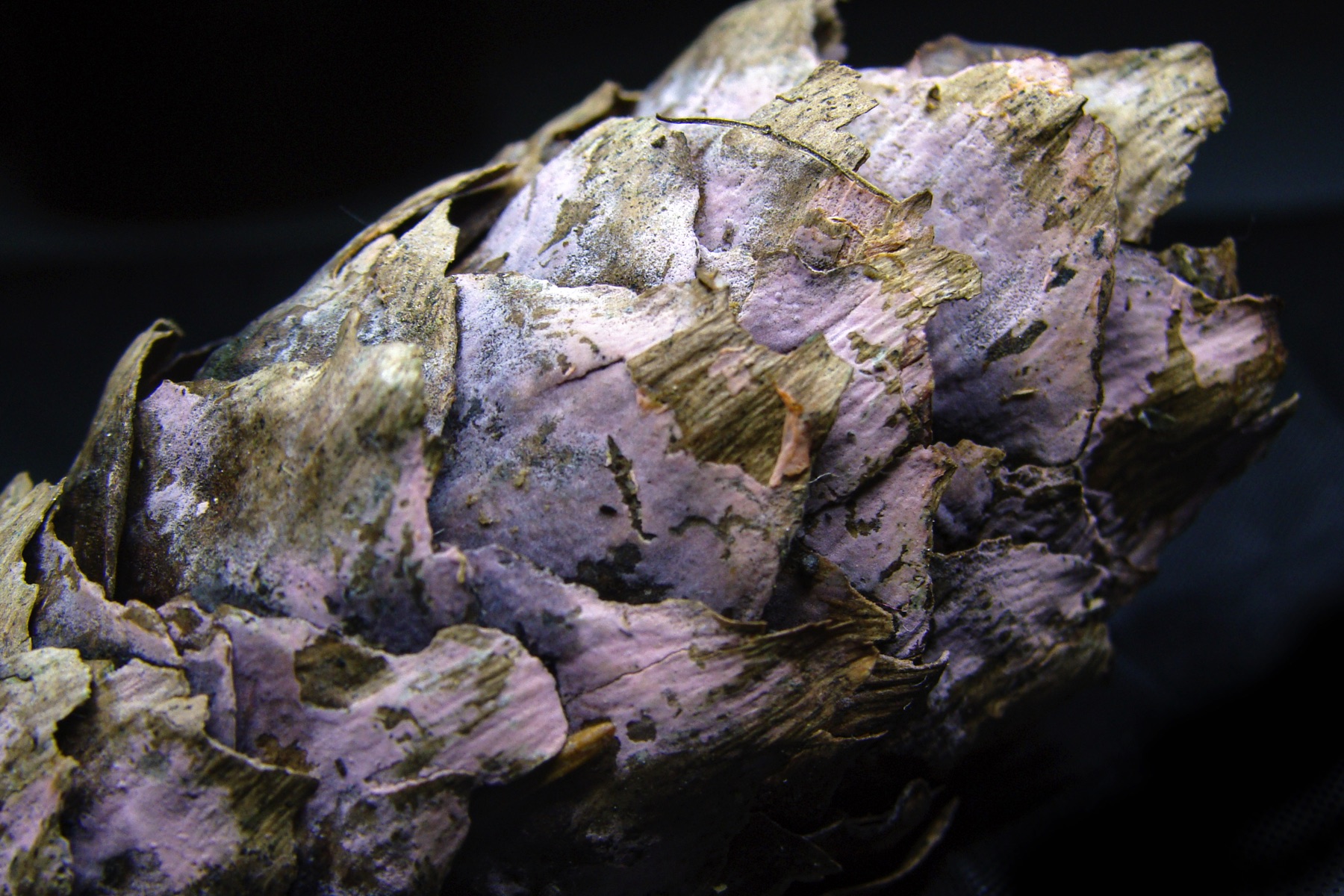
It all started last weekend, when we found a spruce cone with purplish tones on its scales in the Vendvidék region. I liked it so much that I decided to take a closer look, and although I suspected it was a fungus, I would have most likely guessed some hopeless anamorph. Under the microscope, however, it quickly became clear that it was a species of Tulasnella.

Kategória EN

Aki a virágot szereti… – Tulasnella fajok vadon és laborban

Az egész úgy kezdődött, hogy az elmúlt hétvégén találtunk a Vendvidéken egy luctobozt lilás árnyalattal a pikkelyein. Tetszett annyira, hogy kicsit megvizsgáljam közelebbről, és bár sejtettem, hogy ez gomba, leginkább valamilyen reménytelen anamorfra tippeltem volna. A mikroszkóp viszont elég hamar elárulta, hogy egy Tulasnella fajról van szó.

On the land of former oil fields – the Bázakerettye area, round two

With the climate getting warmer and drier, the time window when you can actually experience real fungal abundance is getting narrower and narrower. Last year, in the first days of November, we happened to hit exactly such a window in the southwestern part of the Zalai Hills. That weekend turned out to be so exceptionally rich, including a fair share of rare finds, that we immediately decided to turn it into a personal tradition.

Kategória EN

Az egykori olajmezők földjén – Bázakerettye környéke másodszor

A melegedő, száradó klíma miatt egyre szűkebb az az időablak, amikor tényleg gombabőséget lehet látni. Tavaly ilyesmibe cseppentünk november első napjaiban, a Zalai-dombság délnyugati részén. Az a hétvége annyira páratlanul gazdag és ritkaságokban is bővelkedő volt, hogy már akkor eldöntöttük, hogy hagyományt csinálunk belőle…

Mountain Fungi from the Austrian Alps – Kaprun and Surroundings

We spent the first days of September in the Austrian Alps. Even without the fungi, we’re drawn to mountain landscapes—but the real bonus is that, with a bit of luck, on trips like these you can spot species you either don’t see in Hungary at all, or so rarely there that it’s almost like you don’t.

Kategória EN

Hegyi gombák az osztrák Alpokból – Kaprun és környéke

A gombavilágtól függetlenül is vonzódunk a hegyvidékekhez, az pedig csak a bónusz, hogy kis szerencsével ilyenkor olyan fajokat is láthatunk, amiket itthon nem vagy csak olyan ritkán, hogy az már majdnem nem… Különböző típusú vegetációkban és különböző tengerszint feletti magasságokban kirándultunk.

Microscopic Measurement on MacOSX – Fungimeter Has Been Created

As a MacOS user, I only know from hearsay that there are several good free options available for these functions on Windows systems, but the situation is much more difficult on Mac. We have been regularly using a microscope since 2018, but since then I have only found less effective or outright poor workarounds for performing measurements.

Kategória EN

Mikroszkópos mérés MacOSX-en – létrejött a Fungimeter

MacOS-felhasználóként csak hallomásból tudom, hogy Windows rendszerre több jó ingyenes lehetőség is kínálkozik ezeknek a funkcióknak az ellátására, Mac-en viszont már jóval nehezebb a helyzet. Már 2018 óta használunk rendszeresen mikroszkópot, de azóta csak kevésbé jó vagy kifejezetten rossz pótmegoldásokat találtam a mérések elvégzésére.

Ophiocordyceps entomorrhiza – Creekside Bug Assassin

Last weekend, we spotted the fruiting bodies of a striking yet ruthless insect pathogen, Ophiocordyceps entomorrhiza, at one of our favorite streamside habitats.
We’ve recorded several other insect pathogens at this site before (e.g. Cordyceps tenuipes, Beauveria pseudobassiana, Cordyceps militaris, etc.), but this species hadn’t shown up here until now.

Ophiocordyceps entomorrhiza – rovargyilkos a patakpartról

Az elmúlt hétvégén egy dekoratív, de kegyetlen rovarpatogén, az Ophiocordyceps entomorrhiza termőtesteit sikerült kiszúrni egyik kedvenc patakparti élőhelyünkön. Erről a területről már több más rovarpatogént is regisztráltunk (pl.: Cordyceps tenuipes, Beauveria pseudobassiana, Cordyceps militaris, stb.), de ezt a fajt még nem.

Gotcha, Mitrula! – A Cross-Border ‘Mycelial Network’

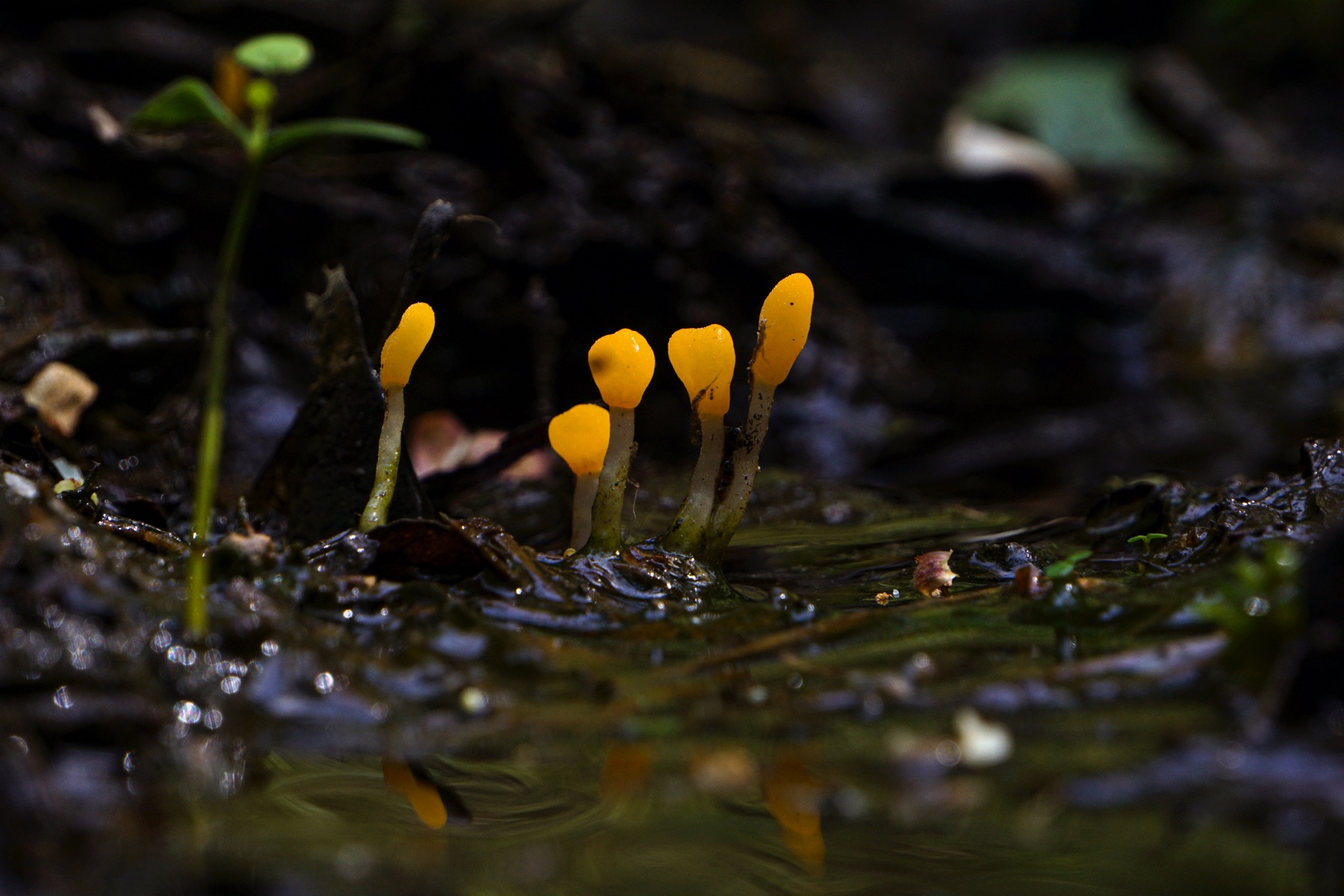
It’s a pretty unique feeling to long for a face-to-face encounter with a fungus. If I could see us today from ten years ago, I probably wouldn’t hold back the sarcastic comments. But facts are facts: by now, we’ve got a whole “Most Wanted” list of species we’re dying to find. And we’re definitely not alone—most passionate mycophiles have a list like that.

Megvagy, Mitrula! – országhatárokon átívelő „micéliumháló”

Egészen különleges érzés arra vágyakozni, hogy élőben találkozhassunk egy gombafajjal. Ha látnám a mai magunkat 10 évvel ezelőttről, nem biztos, hogy kibírnám gúnyos megjegyzések nélkül. De tény, ami tény: mára egész „Most Wanted” listánk van azokról a fajokról, amelyeket a leginkább szeretnénk megtalálni. Persze nem vagyunk ezzel egyedül, a legtöbb szenvedélyes mikofejnek van ilyen listája.

Slime flux – The Spring Festival of Opportunistic Microbes

Around springtime, it is common to encounter bright orange, slimy „flux” on the stumps of felled trees, on fallen trees, and often on the trunks of wounded living trees. This phenomenon is commonly referred to in Hungarian as „carrot-yellow tree slime,” and there are many misconceptions or half-truths surrounding it, both locally within the community of mushroom enthusiasts, and in international forums and groups.

Kategória EN

„Répasárga faiszap” – opportunista mikrobák tavaszi fesztiválja

Tavasz környékén gyakran találkozhatunk kivágott fák tuskóján, kidőlt fák, de gyakran sebzett élőfák törzsén is élénk narancsszínű, nyálkás állagú „folyással”. A jelenséget magyarul „répasárga faiszapnak” becézik, és gombászkörökben elég sok félreértés vagy részigazság kering körülötte itthon is, de külföldi fórumokon és csoportokban is.

New pyrophilous species have emerged from the burned forest

After a relatively long break, we once again surveyed the vast burned forest area near Csönge. In December, the scene was clearly dominated by Anthracobia species, coinciding with the onset of a fruiting wave of Plicaria. By the time we returned in April, the situation had completely changed.

Kategória EN

Újabb pirofil fajok kerültek elő a csöngei kiégett erdőből

Viszonylag hosszú kihagyás után újra terepszemlét tartottunk a Csönge környékén leégett hatalmas területű erdőben. A decemberi felhozatalt egyértelműen az Anthracobia fajok határozták meg – épp akkor induló Plicaria termőhullámmal. Az áprilisi körbenézés alklamlával most már teljesen más volt a helyzet.

A kinyitás feltétele a „virágzásnak” – szerzői „ars poetica”…

Sok példát látunk a természetben, a gombáknál is arra, hogy a kinyitás alapfeltétele a „virágzásnak”. Tapasztalni jó. Ismeretet gyűjteni jó. De kisajátítani a szerzett tapasztalatokat és az ismereteket olyasvalami, ami elzár a környezetünktől. A fungexpot mindenkinek szánjuk, akinek hasznára lehet.

Az első ezer gombánk – prológ a fungexpo elé

Néhány éve, 2017 környékén elkezdtünk gombákkal foglalkozni. Nagyjából előzmény nélkül. Amikor ez szóba kerül, néha rákérdeznek, hogy miért. Honnan jött az érdeklődés. Próbálok ilyenkor válaszolni valami észszerűt, de igazából nem nagyon tudom a választ.

Our First Thousand Fungi – Prologue to Fungexpo

A few years ago, around 2017, we started getting involved with fungus. Mostly without any prior background. When this comes up, people sometimes ask why. Where did the interest come from? I try to answer with something reasonable, but to be honest, I don’t really know the answer.

Kategória EN

A főnix alkimistái – élet a csöngei erdőtűz után…

2024 szeptemberében óriási erdőtűz tombolt a tágabban értelmezett közelségünkben – legalábbis a megyénken belül, Csönge/Kenyeri környékén. Pontosan nem tudjuk, mekkora, de egyes tájékoztatások szerint kb. 400 hektárnyi terület vált érintetté a tűzben, teljes élőhelyek semmisültek meg, a vadállomány jelentős része is odaveszett.

Alchemists of the Phoenix – Life After the Csönge Wildfire…

In September 2024, a massive wildfire raged in our broader vicinity—at least within our county, near Csönge/Kenyeri. We don’t know the exact extent, but according to some reports, approximately 400 hectares were affected by the fire. Entire habitats were destroyed, and a significant portion of the local wildlife perished.

Kategória EN

Őszi gombakánaán Dél-Zalában – sorolni is nehéz…

A „földi paradicsom” – valami ilyesmit írtam a „közösbe” a gombászbarátainknak, amikor idén augusztusban először jártunk Dél-Zalában, a Budafapusztai Arborétumban és a közeli Bázakerettyén. Akkor megbeszéltük, hogy ősszel megyünk együtt kalandozni. Bár minden terv így valósulna meg! Mentünk!

Autumn Fungal Paradise in Southern Zala – Too Many to Count…

„Earthly paradise” – that’s something like what I wrote to our fellow fungus enthusiasts when we first visited Southern Zala County this August, exploring the Budafapuszta Arboretum and nearby Bázakerettye. Back then, we agreed to return for an autumn adventure together. If only all plans came to life so easily! We went!

Kategória EN

Hygrocybe subpapillata – Newly Discovered Habitat of a Rare Waxcap

It’s been an emotional rollercoaster regarding the domestic occurrence of a rare waxcap and the developments around the protection of its habitat across Europe. My goal isn’t to stir emotions, but there may be valuable lessons to be learned from this story…

Kategória EN

Sárga gévagomba tiszafán – mégsem lesz magyar kutatás

Még 2020-ban olvastuk dr. Jancsó Gábor felhívását, aki a PTE GYTK-val együttműködve szeretett volna analitikai módszerrel pontot tenni azoknak a találgatásoknak a végére, hogy a tiszafán fejlődő Laetiporus sulphureusban (sárga gévagomba) kimutatható-e a fában megtalálható toxinok valamelyike.

Chicken of the Wood on Yew – No Hungarian Research After All

In 2020, we read Dr. Gábor Jancsó’s call for research, in which he, in collaboration with the PTE Faculty of Pharmacy (GYTK), aimed to use analytical methods to put an end to the speculations about whether any of the toxins found in the yew tree (Taxus baccata) could be detected in Laetiporus sulphureus (Chicken of the Wood) growing on the tree.

Kategória EN

Another First Record: Bonomyces arnoldii in Hungary

Dr. Bálint Dima saved the exciting news for us for the autumn fieldwork at Nagybörzsöny, that the mushroom we collected in March from the Tátika Reserve represents a new species for Hungary, Bonomyces arnoldii, according to genetic analysis.

Újabb elsőadatos találkozás: Bonomyces arnoldii

A Magyar Mikológiai Társaság őszi, nagybörzsönyi terepgyakorlatára tartogatta a hírt nekünk Dr. Dima Bálint, hogy a márciusban, a Tátika rezervátumból gyűjtött gombánk a genetikai vizsgálat szerint egy Magyarországra új fajt, a Bonomyces arnoldiit képviseli.

Bryophyte Stories – First Record of Lamprospora and Octospora Species in Hungary from Our Garden

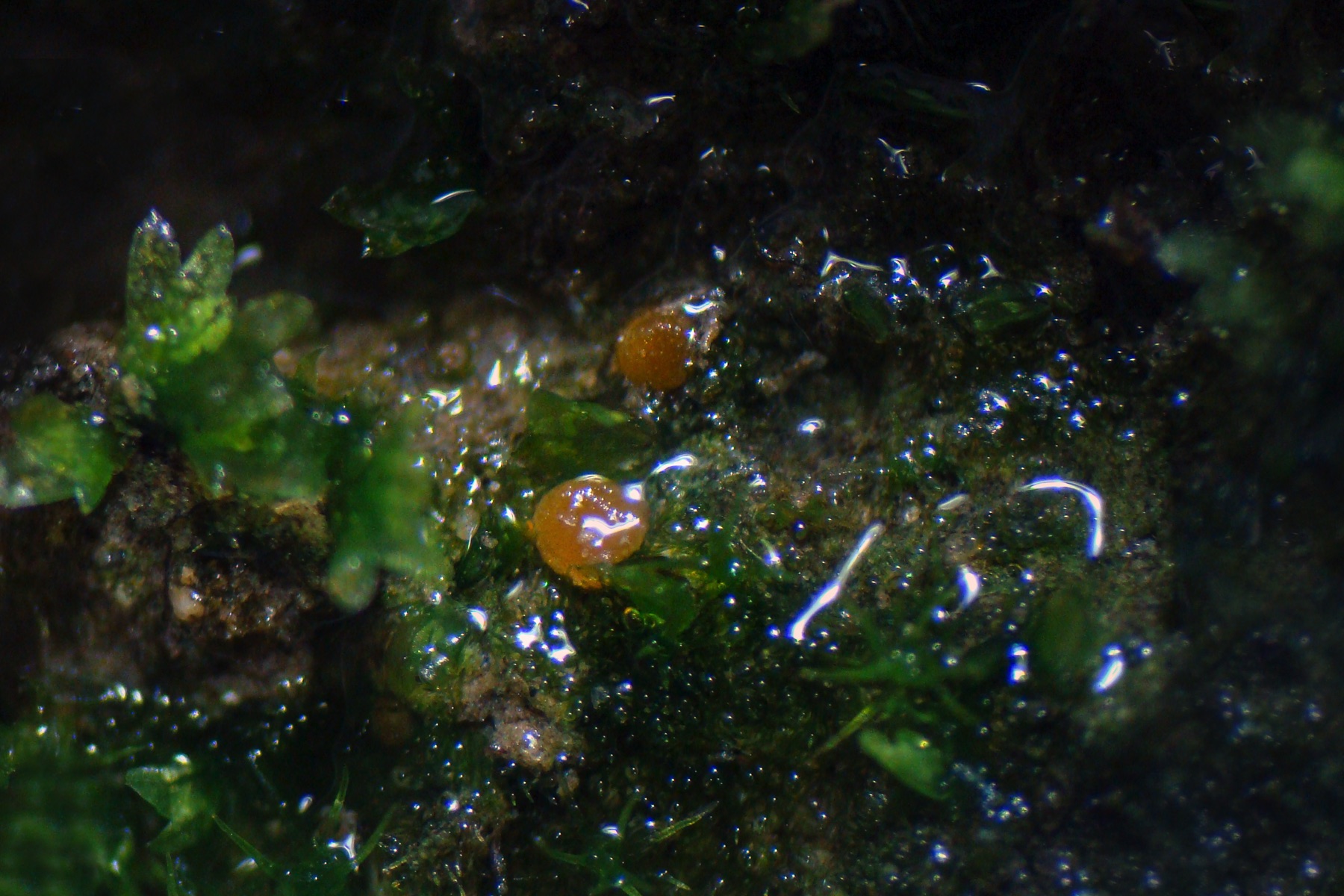
In December 2022, we participated in an excellent workshop on bryophyte fungi organized by the MMT. The species identification portion of the Vértes weekend focused on the known domestic representatives of genera such as Octospora, Lamprospora, Bryoscyphus, etc., and we continued the work here at home!

Briofil sztorik – hazai új Lamprospora és Octospora faj a kertünkből

Még 2022. decemberében vettünk részt az MMT szervezésében egy a briofil gombákhoz kapcsolódó, remek workshopon. A vértesi hétvége fajismereti része az Octospora, Lamprospora, Bryoscyphus, stb. nemzetségek eddig ismert hazai faji képviselőinek szemléje volt, itthon folytattuk!

Reunions – After Four and Five Years, We Met Again

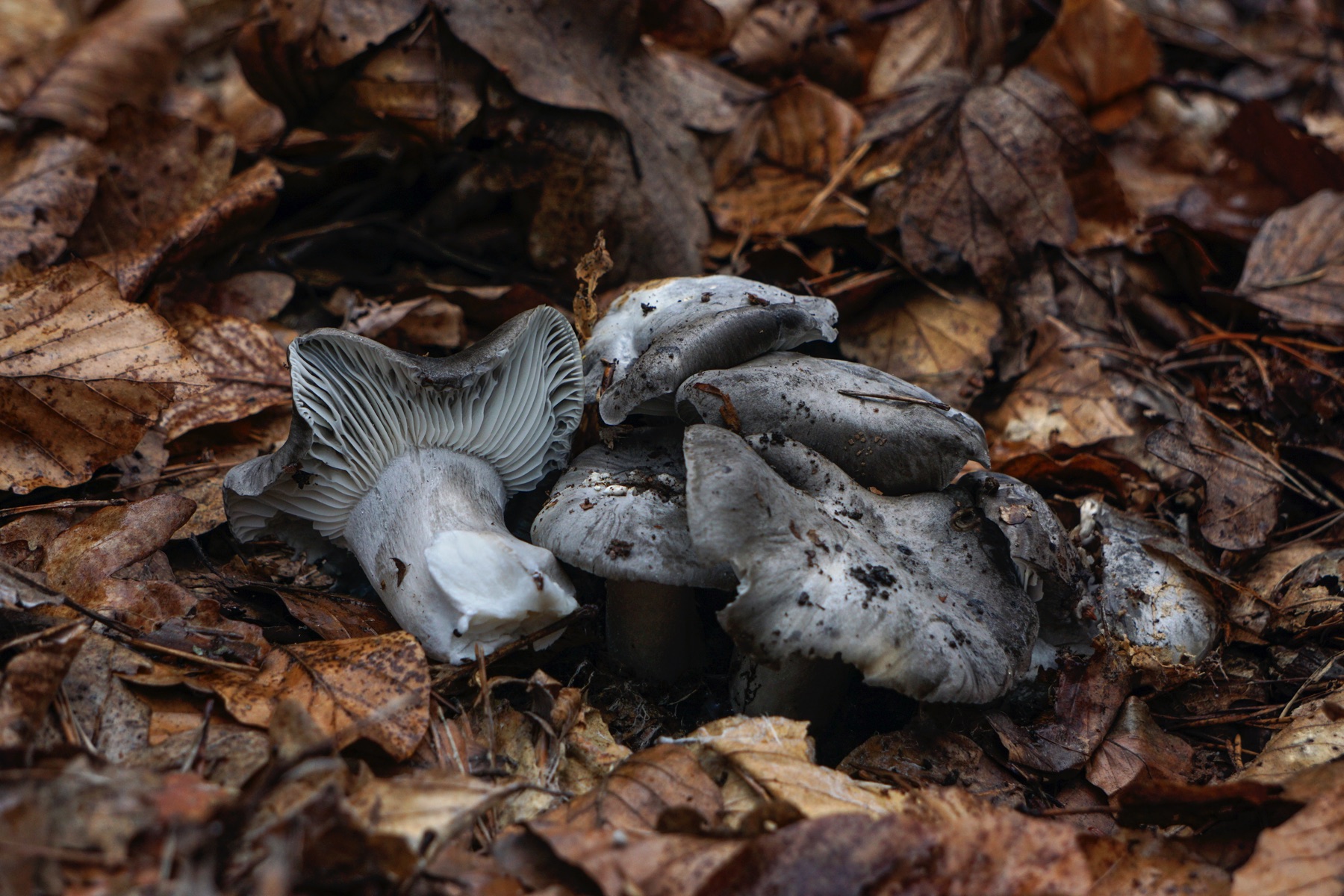
Maybe it’s the abundant winter precipitation, maybe the early arrival of spring… In any case, we were fortunate enough to reunite with two species we have been searching for a long time. Until now, unsuccessfully. The main stars were Hygrophorus marzuolus and a species of Disciotis.

Kategória EN

Viszontlátások – Négy és öt év után találkoztunk újra

Talán a sok téli csapadék az oka, talán a korán érkezett tavaszi idő… Mindenesetre megadatott, hogy két olyan fajjal is újratalálkozhattunk, amelyeket már régóta keresünk. Mindeddig sikertelenül. A Hygrophorus marzuolus és egy Disciotis faj a főszereplők.

A szomszéd fűje… – a Kőszegi-hegység innen és túl…

Kőszeg, Velem környékén sajnos idén is csak kevés faj mutatkozott meg. Viszont ha már erre jártunk, ezúttal is beiktattunk egy osztrák napot. Rechnitz és Lockenhaus környékén sétáltunk egy-egy nagyobb kört, és bár ott sem volt igazi kánaán, mégis olyan fajok jöttek elő, amelyekkel még nem találkoztunk, de már szerettünk volna.

The Neighbor’s Grass… – The Kőszeg Mountains on Both Sides of the Border

Unfortunately, only a few species appeared again this year around Kőszeg and Velem. However, since we were already in the area, we decided to include another Austrian day in our trip. We took long walks around Rechnitz and Lockenhaus, and although it wasn’t exactly a mycological paradise there either, we still encountered species we had never seen before but had long hoped to find.

We Had a Guest Over the Long Weekend – We Explored the Forest with Ica Fedor

We had been planning it with Ica for a long time, that she would visit us, and we would ‘sail’ together on our local, favorite ‘waters.’ Ica is well-known in mycological circles as one of the most enthusiastic domestic experts and researchers of the Mycena genus, and she is also an active member of the Hungarian Mycological Society.

Our Four Days in Slovenia – We Had Some First Encounters

From September 20-24, we visited Slovenia, staying in the town of Laško. The purpose of our trip was partly tourism, but of course, we also planned some time for mushroom hunting. It was worth it! If we had a bit more time and if it hadn’t been raining so much, our mushroom checklist would have been significantly shorter. :)

Négy napunk Szlovéniában – első találkozások is akadtak

Szeptember 20–24-ig Szlovéniába látogattunk, a szállásunk Laško településen volt. A tartózkodás célja részben turistáskodás volt, de azért persze terveztünk időt a gombanézésre is. Érdemes volt! Ha kicsit több időnk lett volna, és nem szakadt volna az eső, jelentősen megcsappant volna a bakancslistánk. :)

A Tátika Erdőrezervátum közelében néztünk körül

Nem sok reménnyel vágtunk neki a zalaszántói terepszemlénknek, de szerencsénkre a vártnál sokkal több friss termőtest fogadott minket. A csodás, elegyes ősbükkös erdőrezervátumban most jártunk először, és nagyon meg is tetszett, mindenképp tervezünk visszalátogatni ide még termékenyebb időszakban is.

We explored near the Tátika Forest Reserve

We didn’t have high hopes for our field trip in Zalaszántó, but fortunately, we were greeted by far more fresh fruiting bodies than expected. This was our first time in the beautiful mixed ancient beech forest reserve, and we really liked it. We definitely plan to return during a more productive season.

Pseudolaccaria pachyphylla – another first record for Hungary

On the last day of 2020, we collected these omphalinoid fruiting bodies from the Himfa park forest. They were found emerging from a mossy cliff and seemingly from the soil. They had no distinct smell, and there was no visible green thallus around the base of the stipe.